
Choosing a soft toy for children is no longer just about appearance. Today, parents, gift buyers, and brand owners increasingly search for safe plush toy materials, skin-friendly fabrics, and durable stuffing options before making a decision. At Ngwantoy, we see this shift clearly in both consumer questions and custom plush toy inquiries.
In this guide, we explain the most commonly used soft toy materials, how they perform in real use, and how to choose the best option for kids of different ages. All insights shared here are based on our own production experience, material selection standards, and long-term testing in plush toy manufacturing.
Why Soft Toy Materials Matter for Children
A soft toy is often one of the closest objects a child interacts with. Kids hug them, sleep with them, carry them outdoors, and sometimes even chew on them. Because of this, material choice directly impacts:
- Skin comfort and irritation risk
- Safety during daily use
- Durability and shape retention
- Washability and hygiene
- Overall product lifespan
At Ngwantoy, material selection is never an afterthought. We treat fabric and filling as the foundation of plush toy quality, especially for toys designed for children.
The Two Core Components of Soft Toys
Before comparing specific fabrics, it's important to understand that every plush toy consists of two main material categories:
- Outer fabric (the plush surface)
- Inner filling (the stuffing)
Both must work together to create a soft toy that feels good, stays safe, and holds its shape over time.
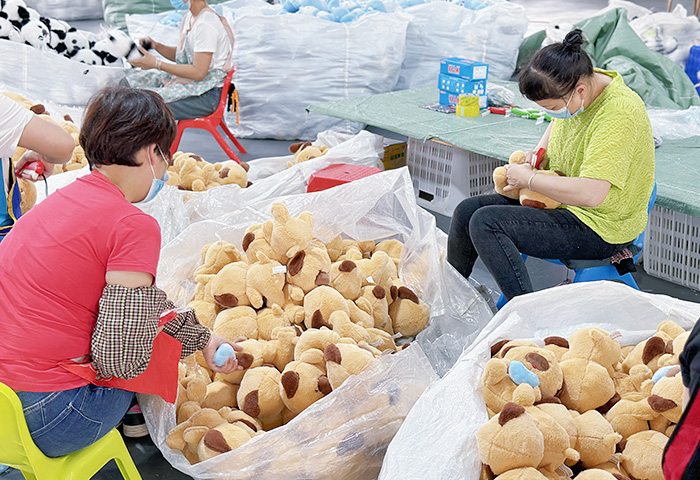
Plush Fabrics Commonly Used in Soft Toys
1. Soft Polyester Plush Fabric
Soft polyester plush is the most widely used material in modern plush toys—and for good reason.
Key characteristics:
- Smooth, soft surface
- Strong fiber structure
- Good color stability
- Easy to clean and maintain
At Ngwantoy, most of our plush toys use carefully selected polyester plush fabrics that are tested for softness, fiber stability, and skin contact safety. We focus on minimizing fiber shedding and ensuring the surface remains gentle even after repeated handling.
Best for:
- Everyday children's plush toys
- 4 inch and 8 inch plush toys
- Gifts, collectibles, and character plush
This type of plush fabric offers an excellent balance between comfort and durability, making it one of the best soft toy materials for kids.
2. Short Plush Fabric
Short plush refers to plush fabric with a shorter pile height, creating a smoother and more compact surface.
Why we use short plush:
- Less dust accumulation
- Lower shedding risk
- Easier to clean
- Suitable for frequent use
Short plush is often our recommended option for younger children or plush toys designed for regular handling. Many of our 4 inch plush toys use short plush fabric, making them ideal for travel, keychain accessories, or small collectible plushies.
3. Ultra-Soft Plush (Fine-Pile Polyester)
For plush toys designed specifically for hugging and comfort, we use fine-pile ultra-soft plush fabrics. These fabrics have a denser fiber structure and a softer hand feel.
Advantages:
- Extremely soft to the touch
- Comfortable for close skin contact
- Strong visual appeal
This material is commonly applied in our 8 inch plush toys, which are popular as bedtime companions, desk decorations, and gift items.
Plush Toy Filling: What's Inside Matters Just as Much
No matter how soft the fabric feels, a plush toy will not perform well without proper filling.
PP Cotton Filling (Polypropylene Fiber)
At Ngwantoy, PP cotton is the primary stuffing material we use across most plush toy designs.
Why PP cotton works well for kids:
- Lightweight and fluffy
- Maintains shape after squeezing
- Hypoallergenic
- Good resilience and rebound
High-quality PP cotton ensures that plush toys stay soft without becoming flat over time. It also allows plush toys to be machine-stuffed evenly, reducing hard spots or uneven density.
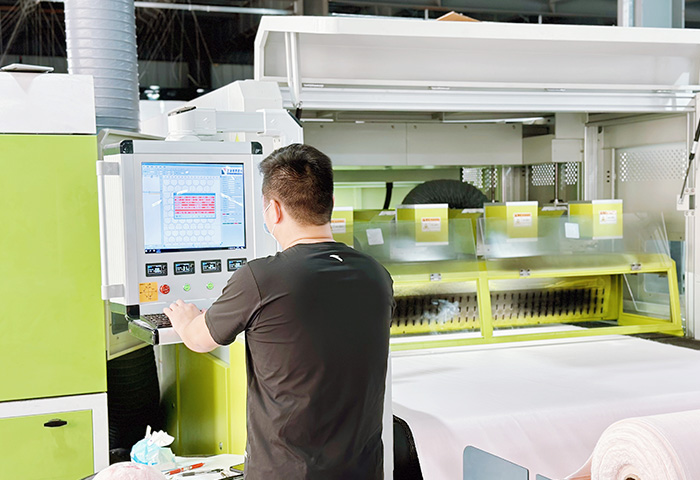
How Material Choice Affects Plush Toy Size
Material behavior changes depending on plush toy size, which is why size and fabric must be considered together.
4 Inch Plush Toys
4 inch plush toys are compact, lightweight, and easy to carry.
Material priorities:
- Short plush or smooth polyester fabric
- Firm but soft PP cotton filling
- Strong stitching and seam stability
These plush toys are often used as:
- Mini gifts
- Blind box plushies
- Promotional plush toys
- Collectibles
At Ngwantoy, we optimize material thickness and filling density specifically for small plush sizes to maintain shape without making the toy stiff.
8 Inch Plush Toys
8 inch plush toys are one of the most versatile sizes.
Material priorities:
- Softer plush fabric for better hand feel
- Balanced filling for hugging comfort
- Good drape and surface softness
This size works well for:
- Kids' bedtime plush toys
- Decorative plush dolls
- Character plush collections
Most of our 8 inch plush toys use soft polyester plush combined with resilient PP cotton, creating a plush toy that is both cuddly and durable.
Material Safety Considerations for Kids
When parents search for ''best plush toy material for kids'' or ''are plush toys safe for children,'' they are usually concerned about:
- Skin irritation
- Loose fibers
- Chemical safety
- Stitching strength
In our production process at Ngwantoy, we prioritize:
- Skin-friendly fabric selection
- Secure embroidery instead of plastic accessories
- Reinforced seams
- Stable dyeing processes
Material safety is especially critical for plush toys intended for toddlers and younger children.
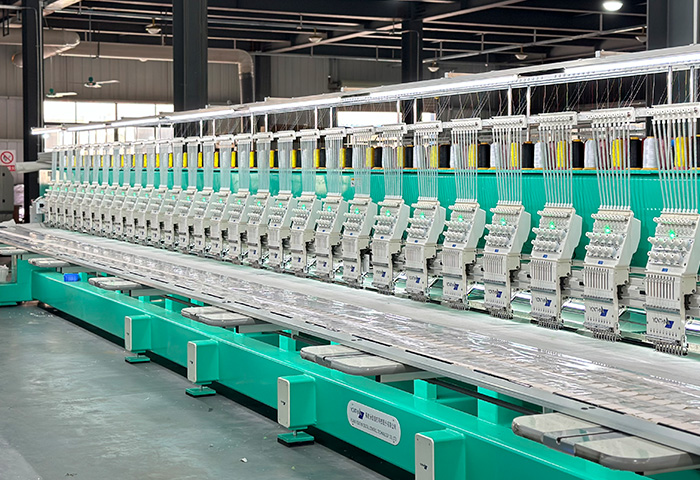
Washability and Daily Care
Soft toys need to withstand regular cleaning.
Our material selection focuses on:
- Fabrics that hold shape after gentle washing
- Fillings that dry evenly
- Plush surfaces that resist pilling
Proper care recommendations help extend plush toy lifespan, especially for frequently used 4 inch and 8 inch plush toys.
Why Material Quality Impacts Long-Term Value
Cheap plush materials may look appealing at first, but they often:
- Lose softness quickly
- Shed fibers
- Deform after washing
High-quality plush materials improve:
- User satisfaction
- Repeat purchases
- Brand trust
This is why we treat material quality as a core part of our plush toy design philosophy at Ngwantoy.
How We Approach Material Selection at Ngwantoy
When selecting plush toy materials, we focus on three principles:
- Comfort first – soft, skin-friendly surfaces
- Consistency – stable quality across batches
- Practical durability – materials suited for real-world use
Whether it's a small 4 inch plush or a classic 8 inch plush toy, material choice is always aligned with how the toy will actually be used.
Conclusion: Which Soft Toy Material Is Best for Kids?
There is no single universal answer—but the best soft toy materials for kids share common traits:
- Soft polyester plush or short plush fabrics
- High-quality PP cotton filling
- Skin-friendly surfaces
- Stable structure and durability
At Ngwantoy, our plush toys are designed around these principles, ensuring that children can enjoy toys that feel good, stay safe, and last longer—especially in popular sizes like 4 inch and 8 inch.