
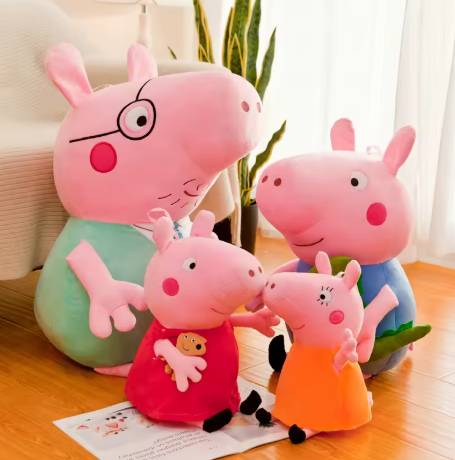
As we enter 2026, the global plush toy market is experiencing an unprecedented boom. With the evolution of consumer demands, traditional off-the-shelf wholesale models are no longer sufficient to meet the market's diverse needs; instead, a surging demand for highly personalized customization is powerfully driving an explosion in the custom plush toy wholesale market.
In this digital era, the rise of e-commerce platforms and the awakening of brand IP have accelerated the expansion of this niche sector. Whether they are independent sellers aiming to create viral hits on Amazon or content creators seeking to monetize their work through merchandise, wholesalers and brands alike are increasingly relying on experienced, professional plush toy manufacturers. In a year brimming with opportunity, gaining a deep understanding of the latest trends in products, materials, and business models is the key to profitability for every industry participant. Today, we will provide you with an in-depth analysis of the core trends shaping the plush toy wholesale market in 2026.
What Is Custom Plush Toy Wholesale?
So, what exactly is custom plush toy wholesale? Simply put, it refers to the business practice wherein companies place bulk customization orders with factories—based on specific design drafts or brand imagery—to facilitate large-scale procurement.
The primary client base for this niche market is remarkably broad, encompassing:
• Brands: Companies seeking to bring their brand assets to life in physical form.
• E-commerce Sellers: Those looking for differentiated products to break free from price wars.
• Retailers: Businesses procuring exclusive merchandise to drive foot traffic to their physical stores.
• Event Marketing Agencies: Firms providing unique promotional gifts for trade shows, sporting events, or corporate PR campaigns.
Compared to standard wholesale—which involves purchasing generic, off-the-shelf inventory—custom wholesale offers irreplaceable advantages: it delivers unique, bespoke designs; enables deep-level brand integration into the product; and, thanks to the scarcity and exclusivity of the merchandise, generates significantly higher profit margins for the buyer.
Why Businesses Are Investing in Custom Plush Toy Wholesale
Why are more and more businesses moving away from cheap, generic stock to invest in the custom segment of the plush toy wholesale market? This shift is primarily driven by the following four key business factors:
Brand Differentiation
In a retail landscape plagued by product homogenization, an exclusively designed plush toy can instantly make a brand stand out from the crowd, establishing a robust competitive moat around the brand. Higher Profit Margins
Generic commodities compete solely on price, whereas custom-made goods sell on the strength of their design and emotional appeal. Unique custom plush toys possess exceptional pricing power, capable of significantly boosting overall profit margins.
Growing Consumer Demand
Modern consumers are no longer satisfied with ordinary, mass-produced goods; they crave exclusive products that express their individuality and hold sentimental value.
Flexible Customization Options
From size and fabric to packaging, custom wholesale allows businesses to maintain 100% control over every product detail, ensuring the final output aligns perfectly with their market strategy.
Top Custom Plush Toy Wholesale Trends in 2026
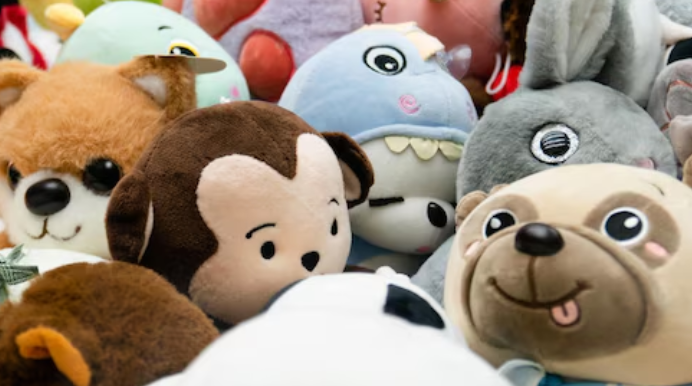
Seizing trends is the key to winning the market. Here are the top 10 core trends set to dominate the market in 2026:
1. Personalized and Custom Plush Toys
The demand for personalized designs is growing exponentially. Consumers increasingly prefer purchasing toys featuring specific names, special dates, or designs custom-made based on their own artwork. The rise of this C2M (Consumer-to-Manufacturer) model requires wholesalers in the custom plush toy sector to possess greater operational flexibility.
2. IP and Licensed Plush Toys
The "IP Economy" remains the market's biggest cash cow. Merchandise derived from popular anime, AAA video games, and blockbuster movies drives astonishing sales volumes. Retailers are seeing a surge in demand for officially licensed plush toys, as IP characters—which come with their own built-in fanbases—can drastically reduce marketing costs and accelerate sales turnover.
3. Eco-Friendly Plush Toys
Environmental protection is no longer just a slogan; it has become a tangible business imperative. As environmental regulations tighten across various nations, eco-friendly production—utilizing sustainable materials such as recycled polyester (RPET) and organic cotton—has become a mandatory requirement for leading buyers in the European and North American markets.
4. Small-Batch and Low MOQ Production
To mitigate inventory risks, the trend toward small-batch orders is becoming increasingly pronounced. Leading plush toy manufacturers are beginning to break away from traditional order quantity restrictions, offering lower MOQs (Minimum Order Quantities). This presents an excellent entry opportunity for startups and independent designers with limited capital.
5. E-commerce Driven Plush Toy Sales
The booming ecosystems of e-commerce platforms—such as Amazon and Shopify—have directly fueled an explosive surge in wholesale demand. DTC (Direct-to-Consumer) brands have risen rapidly through online channels; consequently, they require robust backend supply chains to support the high sales volumes generated by their viral front-end marketing campaigns.
6. Fast Production and Short Lead Times
In the world of commerce, speed is the ultimate weapon. Intensifying market competition has led to significantly shorter product lifecycles. Rapid prototyping and extremely short lead times for mass production have become core metrics for evaluating a factory's capabilities. Whichever entity can most quickly transform trending online phenomena into physical toys is the one that will capture market share.
7. Smart and Interactive Plush Toys
Plush toys are becoming "smart." Toys that incorporate electronic interactive features—such as Bluetooth speakers, heartbeat simulators, or even basic AI voice interaction capabilities—are pushing the boundaries of traditional toys and opening up entirely new markets characterized by high average order values.
8. Collectible and Limited Edition Plush Toys
"Why speculate on skirts or sneakers when you can speculate on toys?" Driven by the widespread popularity of "blind box" culture, the collectibles market continues to experience substantial growth. Brands are effectively fueling a collecting frenzy among adult consumers by adopting strategies centered on limited-edition releases featuring unique serial numbers and premium materials.
9. Brand Mascot Plush Toys
Leveraging corporate IP has become a mainstream public relations strategy. From major tech giants to restaurant chains, companies across various sectors are utilizing plush mascots as approachable tools for brand communication; this trend generates a steady and substantial stream of orders for the B2B custom wholesale market.
10. Global Supply Chain Optimization
Despite the challenges inherent in a globalized economy, China remains the world's central hub for plush toy manufacturing. Supported by a highly mature textile industry ecosystem and efficient port logistics, Chinese factories are uniquely positioned to offer global buyers the most cost-effective and reliable supply chain solutions available.
Table 1: Top 10 Wholesale Trends Summary (2026)
| Trend Category | Key Driver | Market Impact |
| Personalization | Consumer desire for unique items | Higher willingness to pay premium prices |
| IP & Licensing | Fan economy & pop culture | Massive volume spikes, guaranteed sales |
| Eco-Friendly | Climate awareness & regulations | Shift towards RPET and organic materials |
| Low MOQ | Risk management for startups | Diverse brand entries into the market |
| E-commerce | Rise of DTC and Shopify brands | Continuous need for agile supply chains |
| Fast Production | Viral social media cycles | Speed-to-market becomes a competitive edge |
| Smart Toys | Technological advancements | Higher retail prices and tech integration |
| Collectibles | Adult toy collector demographics | Created scarcity driving high demand |
| Brand Mascots | Corporate identity humanization | Stable B2B wholesale order pipelines |
| Supply Chain | Efficiency and cost control | Consolidation of reliable manufacturing hubs |
The Role of Plush Toy Manufacturers in Wholesale Success
Within the commercial ecosystem of plush toy wholesale, a professional manufacturer offers far more than just the sewing machines on the factory floor; they serve as the indispensable driving force behind a brand's success.
Design Support
Top-tier manufacturers possess in-house design teams capable of transforming a client's rough sketches into precise 3D patterns that meet rigorous industrial production standards.
Sampling and Prototyping
Sampling is the critical step that transforms a conceptual idea into a tangible physical object. Through iterative adjustments to the sample's aesthetics, stuffing density, and proportions, manufacturers ensure that the final product is absolutely flawless.
Mass Production
Leveraging powerful automated cutting systems and a skilled workforce, manufacturers can ensure that mass production runs—ranging from tens of thousands to hundreds of thousands of units—precisely match the quality of the approved samples.
Quality Control
From fabric tensile strength and colorfastness testing to final metal detection scans on finished products, a rigorous QC process serves as the primary defense against product returns and potential brand crises.
Global Shipping
Offering a range of shipping terms—including FOB, CIF, and even DDP door-to-door services—manufacturers assist clients in navigating the complexities of customs clearance and international logistics.
How to Choose the Right Plush Toy Manufacturer for Wholesale
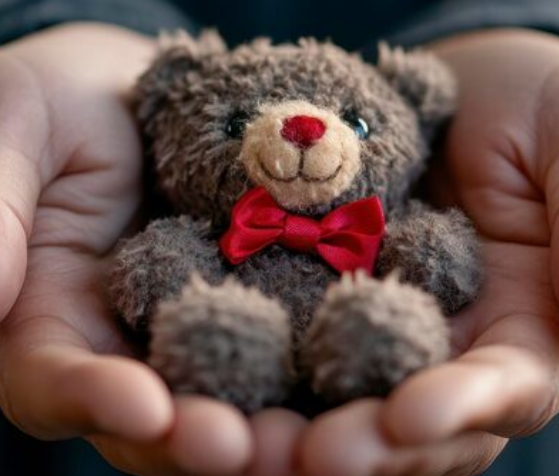
Faced with a vast pool of potential suppliers, finding the perfect wholesale manufacturer for custom plush toys requires a systematic set of evaluation criteria:
Experience and Expertise
Prioritize companies that have been deeply rooted in the industry for over 10 years. Extensive experience means they can anticipate potential structural risks and propose superior manufacturing techniques.
Customization Capability
Assess their ability to execute complex processes, such as high-precision embroidery, screen printing, and the integration of specialized materials (e.g., sequins, leather) with plush fabrics.
Certifications
Compliance is the paramount principle. Ensure the factory can provide physical and chemical safety certifications relevant to your target market—such as ASTM/CPSIA for the U.S. and EN71 for Europe.
MOQ and Pricing
Do not focus solely on the unit price. Reputable manufacturers offer reasonable tiered pricing structures and demonstrate flexibility regarding MOQ (Minimum Order Quantity) to support startups.
Production Capacity
Delivery reliability during peak seasons is the ultimate test of a factory's capabilities. Evaluate their facility size, equipment inventory, and flexible production capacity to handle sudden, large-scale orders.
Table 2: Manufacturer Evaluation Checklist
| Evaluation Criterion | What to Look For | Why It Matters |
| Industry Experience | 10+ years, portfolio of top brands | Ensures problem-solving skills for complex designs |
| Certification | EN71, ASTM, CPSIA, ISO9001, BSCI | Guarantees product safety and ethical production |
| Prototyping Speed | 7 to 15 days turnaround time | Accelerates product launch and market testing |
| MOQ Flexibility | Support for 500-1000 pcs test runs | Lowers inventory risks for new product lines |
| Quality Assurance | Metal detection, pull tests, inline QC | Reduces defect rates and customer returns |
Cost Factors in Custom Plush Toy Wholesale
Calculating costs is an essential exercise for every buyer. The wholesale price of custom plush toys is primarily determined by the following five core variables:
Size
Physical size directly dictates the amount of fabric consumed and the volume of stuffing required. Furthermore, larger dimensions mean that the products will occupy more container space during international shipping, significantly driving up the allocated freight costs.
Materials
Basic short-pile plush fabric is extremely affordable; however, opting for heavier-weight faux rabbit fur, long-pile plush, or eco-friendly fabrics that meet the Global Recycled Standard (GRS) will result in a significant increase in material costs.
Design Complexity
Irregular shapes, intricate multi-color paneling, and high-density facial embroidery—which requires extensive machine time—will directly drive up labor and processing costs.
Order Quantity
Economies of scale are fully realized in this industry. The larger the order quantity, the lower the per-unit allocation of pattern-making fees, machine setup costs, and material wastage, resulting in a more distinct price advantage.
Packaging
Standard PE plastic bag packaging is extremely low-cost, whereas custom full-color printed paper boxes or biodegradable vacuum-compression bags featuring brand logos will incur additional packaging expenses.
Future Outlook of the Plush Toy Wholesale Market
Looking ahead at plush toy wholesale trends for 2026, the future landscape of the entire industry appears remarkably clear.
High levels of customization will continue to surge, completely displacing the cookie-cutter, standardized products of the past. The "IP Economy" will continue to expand; beyond just top-tier film and TV franchises, the "micro-IPs" of social media influencers and independent illustrators will also generate a substantial volume of "long-tail" orders. As the trend toward corporate branding intensifies, the creation of custom mascots will become a standard budgetary expenditure for businesses. Furthermore, technological innovations—such as smarter automated cutting equipment and electronic modules integrated with wearable technology—will continue to drive the entire manufacturing sector toward high-precision, advanced capabilities.
FAQ
What is the MOQ for custom plush toy wholesale?
This varies depending on the specific supplier. Typically, the industry standard ranges between 500 and 1,000 units. However, high-quality manufacturers will often offer more flexible minimum order quantities for trial runs once they have assessed your brand's potential.
How long does it take to produce custom plush toys?
Sample development typically takes between 1 and 2 weeks. Once samples have been approved, mass production typically takes 30 to 45 days, depending on the complexity of the design and the factory's current production schedule.
Are custom plush toys profitable?
They are highly profitable. Compared to reselling generic, mass-market goods, custom plush toys featuring original designs or licensed IP can easily achieve gross profit margins of 50% or higher, as consumers are paying for uniqueness and emotional value.
How do I find a reliable plush toy manufacturer?
You can screen potential partners by evaluating their past project portfolios, international certifications, and communication efficiency. Visiting the websites of direct source factories with extensive experience in OEM/ODM export—such as NGWAN Toy—is the most direct route to securing high-quality service.
Conclusion
Undoubtedly, the wholesale market for custom plush toys will continue its strong growth trajectory through 2026. The widespread adoption of personalized designs, the normalization of eco-friendly materials, the boom in the IP economy, and the driving force of Direct-to-Consumer (DTC) e-commerce models collectively constitute the core business trends of this era.
In this rapidly evolving market, going it alone is no longer a viable strategy. Establishing a deep partnership with a professional plush toy manufacturer—one that possesses a global perspective and exceptional craftsmanship—is the key to ensuring product quality and mitigating supply chain risks. Whether you are a cross-border e-commerce seller, a brand operator, or an independent creator, now is the optimal time to capitalize on these 2026 plush toy wholesale trends and strategically position yourself within the market.
Ready to transform your creative ideas into physical toys that can take the market by storm? Our team of experts offers comprehensive, one-stop custom wholesale solutions—from initial concept design all the way to global delivery.