
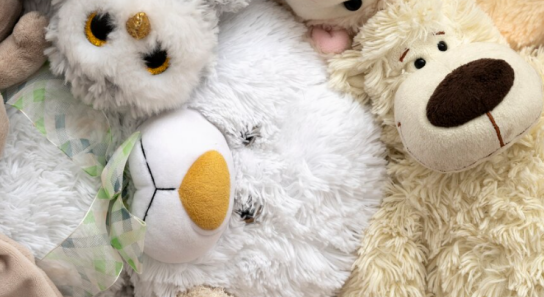
In everyday life, people often confuse the terms “stuffed toys” and “plush toys.” Whether shopping in a mall or searching for gifts online, these two terms seem to describe the same kind of cute, fluffy dolls. However, in the professional toy manufacturing industry, there are subtle but important differences between them.
Understanding this difference is crucial for ordinary consumers, gift buyers, and brands. It not only determines the feel of the final product but also affects its cost and market positioning. This is especially true for brands seeking partnerships with custom plush toy manufacturers in China, where the application of these two terms differs significantly in product design and production specifications.
Today, we will provide an in-depth analysis of the differences between these two terms from multiple perspectives, including definition, materials, manufacturing methods, usage scenarios, and selection guidelines.
What Are Stuffed Toys?
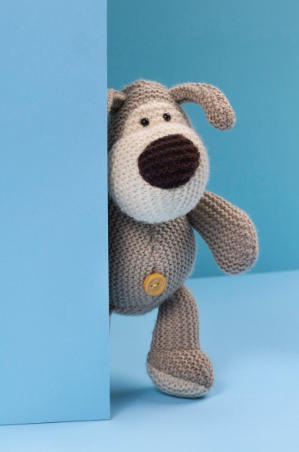
Stuffed Toys
First, we need to clarify what stuffed toys are.Literally, stuffed toys refer to any toy with internal stuffing. The core definition lies in the act of "stuffing," not the material of the outer shell.
Common Stuffing Materials:
- Polyester fiber: The most common stuffing material, lightweight and elastic.
- Cotton: A traditional stuffing material, providing a certain weight.
- Foam: Commonly used in toys that need to maintain a specific shape.
- Beads: Usually used to fill the bottom or limbs of toys, adding weight and drape.
- Characteristics: Stuffed toys have virtually no restrictions on their outer material; they can be made of ordinary cotton, canvas, linen, or even leather.
Therefore, they come in a wide variety of shapes, have a soft overall structure, and are a common sight in the children's toy and mass-market gift markets.
Common Types: This category includes commonly seen stuffed animals, classic teddy bears, various character toys, and cartoon toys.
What Is a Plush Toy?
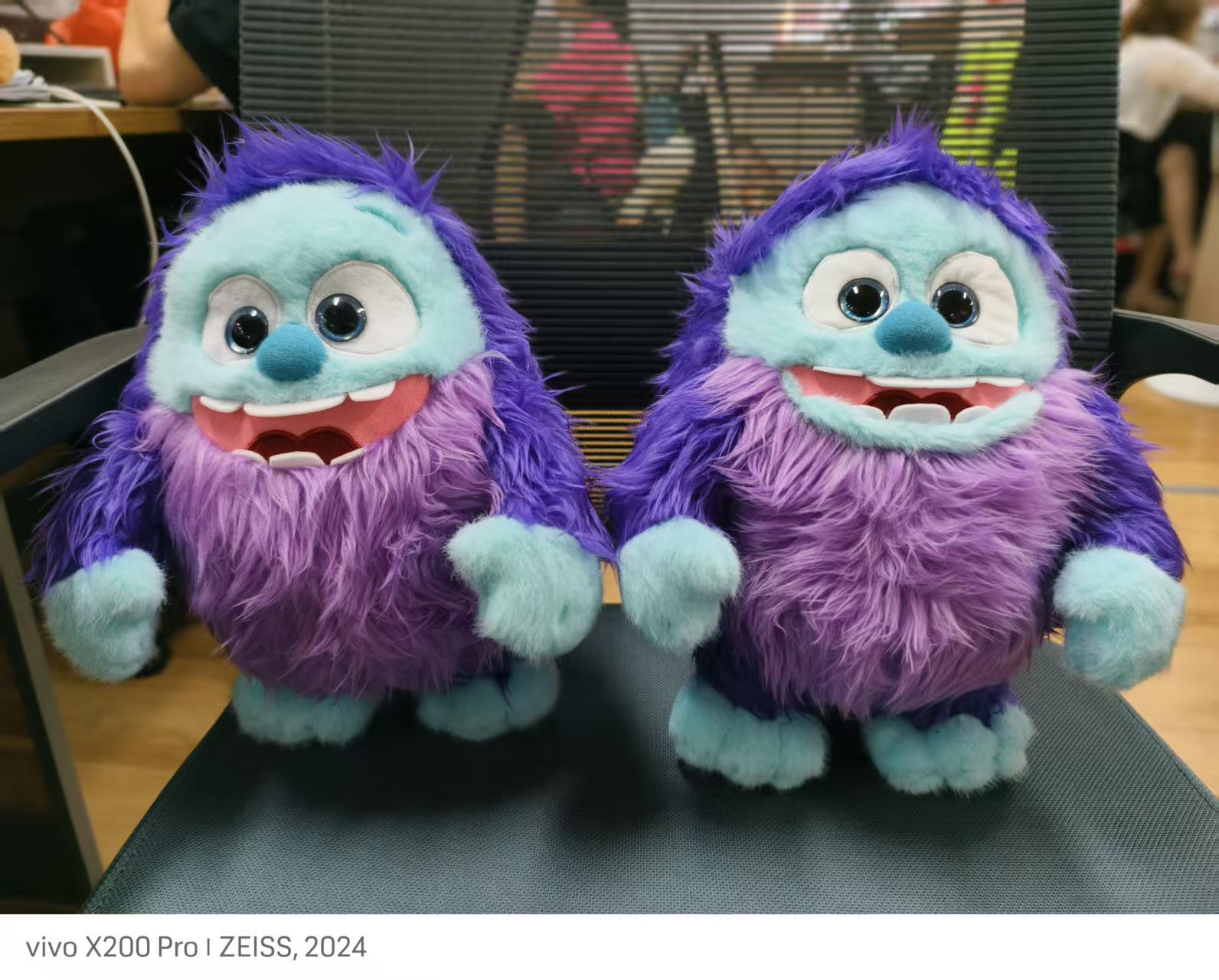
Since everything can be "stuffed," what exactly is a plush toy? Definition and Characteristics: Plush toys specifically refer to toys made using plush fabric. The "plush" refers to the soft, fluffy layer on the surface of the fabric. Unlike ordinary cotton or canvas, plush fabric is visually fuller and has an extremely soft and smooth texture.
Because of its higher cost and superior feel, plush toys are generally considered a more premium toy category. They are not only popular with children but also a popular choice for gifts and collections for adults.
Industry Notes: Today, many top custom plush toy manufacturers in China (such as NGWAN Toy) primarily produce high-quality custom plush toys. These high-end customized products are widely used in brand IP derivatives, corporate mascots, and high-end customized gifts.
Stuffed Toys vs Plush Toys: Key Differences
To help you understand more intuitively, we will compare them from four core dimensions.
Material Differences
This is the most fundamental difference between the two.
Stuffed toy: The outer layer can be made of any fabric (cotton, linen, wool felt, etc.).
Plush toy: The outer layer must be a plush fabric with a fuzzy texture (such as crystal super-soft velvet, flannel, faux rabbit fur, etc.).
Texture and Feel
Plush toys: Due to the fuzz, they are extremely soft and warm to the touch, perfect for hugging.
Stuffed toys: The feel depends on the outer fabric; they may be stiffer and rougher, but they may also have a unique texture (such as a vintage canvas bear).
Manufacturing Process
While both require sewing and stuffing, plush toys have a more complex manufacturing process.
The production process typically includes: flush fabric cutting, sewing, stuffing, and the crucial shaping (hand-shaping to ensure the plush has a natural direction and doesn't show through the base fabric).
Product Positioning
Stuffed toys: Usually positioned as ordinary children's toys or traditional handicrafts.
Plush toys: Often positioned as premium gifts, high-value IP derivative products, and brand-exclusive merchandise.
Comparison Table:
|
Feature |
Stuffed Toys |
Plush Toys |
|
Core Definition |
Defined by having internal stuffing |
Defined by having a plush, soft outer fabric |
|
Outer Material |
Cotton, canvas, felt, denim, etc. |
Velvet, minky, fleece, faux fur, etc. |
|
Tactile Sensation |
Varies widely, can be stiff or rough |
Consistently soft, fluffy, and warm |
|
Target Market |
General toys, traditional crafts |
Premium gifts, collectibles, IP merchandise |
|
Design Focus |
Shape and internal volume |
Surface softness and intricate details |
Types of Plush Toys Available in the Market
Combining NGWAN Toy's extensive product line, the current market offers a wide variety of plush toys to meet the needs of different customer groups:
Animal Plush Toys: From realistic wild animals to exaggeratedly cute pets, this is the most classic category, loved by all ages.
Cartoon Plush Toys: Transforming 2D animated characters from the screen into 3D objects requires extremely high prototyping skills to reproduce the character's expression.
Mascot Plush Toys: Customized mascots for corporations and sporting events. By making the brand logo more tangible, brand affinity is effectively enhanced.
Promotional Plush Toys: Promotional gifts used in marketing campaigns, typically small in size, emphasizing cost control and prominent display of the brand logo.
Custom Plush Toys for Brands: Exclusive brand customization. Whether it's trendy blind boxes or limited-edition figurines from independent designers, custom plush toys perfectly accommodate complex creative ideas.
What Are “5 Implication Toys”?
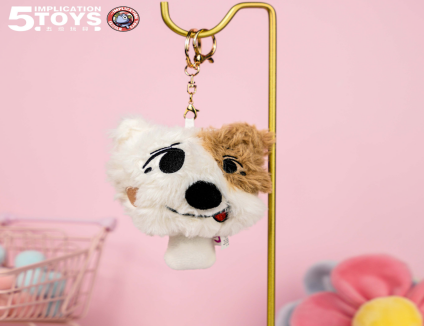
When researching plush toys, you might encounter the industry concept of “5 implication toys.” This doesn't refer to five specific types of toys, but rather to five deep developmental meanings that plush toys represent in child development and human psychology. Understanding these meanings helps brands design more valuable products
Emotional Comfort: Plush toys are excellent “transitional objects.” They provide children with a sense of security and offer emotional comfort and companionship to stressed adults.
Cognitive Development: Through interaction with toys of different shapes, children can learn about animal species, body structures, and color distinctions, promoting early cognitive development.
Sensory Stimulation: High-quality plush toys combine different lengths of plush, embroidered textures, and internal crinkly paper or rattles to effectively stimulate infants' and toddlers' senses of touch, sight, and hearing.
Social Interaction: Plush toys are often used as props for role-playing, helping children practice conversation, express empathy, and learn social rules through play.
Educational Play: Many educational plush toys incorporate elements such as buttons, zippers, and letters, developing children's fine motor skills through play.
How Do I Choose the Right Size Stuffed Animal for a Gift?
When choosing a gift, this question will inevitably come to mind: how do I choose the right size stuffed animal for a gift? Size not only determines the budget but also directly affects the occasion in which the gift is appropriate. Here is a practical size selection guide:
Small Plush Toys (10–20 cm)
This size is compact and easy to carry.
Suitable occasions: As small gifts, party favors, claw machine prizes, or keychain plush toys. They're perfect for hanging on a backpack, accompanying you anytime, anywhere.
Medium Plush Toys (25–40 cm)
This is the most standard and popular golden size.
Suitable occasions: As birthday gifts for children or everyday companion toys for adults. This size is just right to hug, and won't look out of place on a bedside table or sofa.
Large Plush Toys (50 cm+)
With a substantial size, they offer a strong visual impact and a sense of hugging.
Suitable occasions: Ideal as holiday gifts (such as Christmas, Valentine's Day), surprise gifts between couples, or important birthday gifts.
Giant Plush Toys
Typically refers to extra-large plush toys that are 1 meter or even larger.
Suitable occasions: More often used for promotional events, in-store displays, or as the ultimate, highly talked-about gift.
Custom Plush Toy Manufacturing Process
Transforming a flat sketch into a tangible plush toy requires a series of rigorous industrial processes:
Concept and Design: It all begins with an idea. You can provide a sketch, a 3D rendering, or even just a thought. The designer will transform it into a 2D blueprint suitable for fabric cutting.
Sample Development: This is the most demanding stage for the manufacturer. A sample maker creates a prototype through 3D cutting. The client confirms the facial expression, fullness, and overall proportions before proceeding to the next step.
Fabric Selection: Based on the design requirements, the most suitable material and color are selected from hundreds or even thousands of plush fabrics.
Cutting and Sewing: Precise cutting is done using lasers or punch presses, followed by experienced sewing workers sewing the fabric in reverse.
Stuffing and Finishing: PP cotton is evenly stuffed using machines. Then, the edges are manually sealed, the plush is shaped, and accessories such as eyes and nose are attached.
Quality Inspection: Rigorous quality inspection includes visual inspection, tensile testing, and passing through a needle detector (ensuring no broken needles remain internally), before final packaging and warehousing.
Why Many Brands Work With Custom Plush Toy Manufacturers in China?
Globally, why do the vast majority of top brands focus on China? Choosing custom plush toy manufacturers in China offers irreplaceable advantages:
Mature Supply Chain: From zippers and embroidery threads to specialty fabrics, China boasts the world's most complete upstream and downstream toy manufacturing industry chain.
Production Cost Advantage: Large-scale production and skilled industrial workers ensure excellent cost-effectiveness while maintaining high quality.
Strong Customization Capabilities: Whether it's complex IP characters or extremely demanding trendy toy craftsmanship, Chinese factories can perfectly recreate them.
Fast Prototyping: Extremely fast response times, typically completing the prototyping process from concept to physical product within 7-15 days.
International Safety Certifications: Professional Chinese manufacturers are proficient in mainstream global safety standards such as EN71, ASTM, and CPSIA, ensuring worry-free product export.
These advantages make it the top choice for toy brands, game companies, anime IP owners, and promotional gift buyers.
Tips for Choosing a Reliable Plush Toy Manufacturer
Among the many custom plush toy manufacturers in China, how do you choose a reliable partner? You can refer to the following points:
Check Production Experience: Prioritize manufacturers with years of industry experience. Extensive experience means they have a mature pattern-making team and robust crisis management capabilities.
Review Safety Certifications: Check if the manufacturer has passed the ISO9001 quality management system certification and whether their products can provide safety test reports for the target market.
Evaluate Customization Options: Understand if the manufacturer can provide comprehensive services from embroidery and screen printing to custom-made special accessories; this directly relates to the uniqueness of your product.
Compare Pricing and MOQ: Price is important, but also pay attention to the Minimum Order Quantity (MOQ). Reputable manufacturers offer relatively flexible MOQ policies for startups.
Request Samples: Before mass production, always request samples from the manufacturer. Samples not only verify craftsmanship but also serve as a litmus test for the manufacturer's communication efficiency.
Future Trends in the Plush Toy Industry
The toy industry is constantly evolving. Here are the main trends in the plush toy market for the next few years:
Eco-friendly plush toys: With growing environmental awareness, eco-friendly toys using recycled polyester (RPET) and organic cotton will become mainstream.
Smart interactive plush toys: With built-in chips, these toys will have sound output, Bluetooth connectivity, and even simple AI interaction capabilities.
Personalized plush toys: Offering small-batch personalized customization services, such as custom-made lifelike dolls based on pet photos.
Branded mascot plush toys: More and more non-traditional businesses (such as tech companies and restaurant brands) are launching their own plush mascots to connect with users.
Sustainable materials: Not only the toys themselves, but also the use of deplasticized and biodegradable materials in packaging will become industry standards.
FAQ
Are all plush toys stuffed toys?
Yes. All plush toys have internal padding, so they are broadly considered stuffed toys. However, conversely, not all stuffed toys are plush toys (if their exterior is not made of plush fabric).
Are plush toys safe for babies?
As long as you choose products that have passed safety certifications, they are safe. Avoid using hard plastic parts (such as buttonholes) in baby toys to prevent suffocation from falling off, and the fabric should be non-toxic.
What materials are used in plush toys?
The outer layer typically uses various plush fabrics made of polyester fibers (such as flannel, imitation rabbit fur, etc.), while the most common inner layer is high-elasticity 3D PP cotton.
Can I create my own custom plush toy design?
Absolutely. Professional manufacturers (such as NGWAN Toy) provide one-stop ODM/OEM services; if you have an idea, they can help you turn it into reality.
Where can I find reliable custom plush toy manufacturers in China?
You can directly contact manufacturers by participating in international toy fairs (such as the Canton Fair), B2B platforms, or by visiting the official websites of leading companies in the industry (such as NGWAN Toy).
Conclusion
In summary, although stuffed toys and plush toys are often used interchangeably, their core difference lies in the materials used and the market positioning of the product. Stuffed toys are a broader category, while plush toys are a softer, more delicate, and higher-end branch within that category.
In today's branded gifts, trendy toys, and IP derivatives industry, the demand for high-quality custom plush toys is continuously exploding. Understanding these industry terms and sizing specifications will allow you to more accurately plan your product line. Choosing an experienced and fully qualified custom plush toy manufacturer in China will be the most important step in creating a blockbuster product and winning over consumers.
Want to start turning your ideas into plush reality? Visit NGWAN Toy's product center today to learn more about our custom case studies. Would you like us to evaluate your initial design concept for free?