
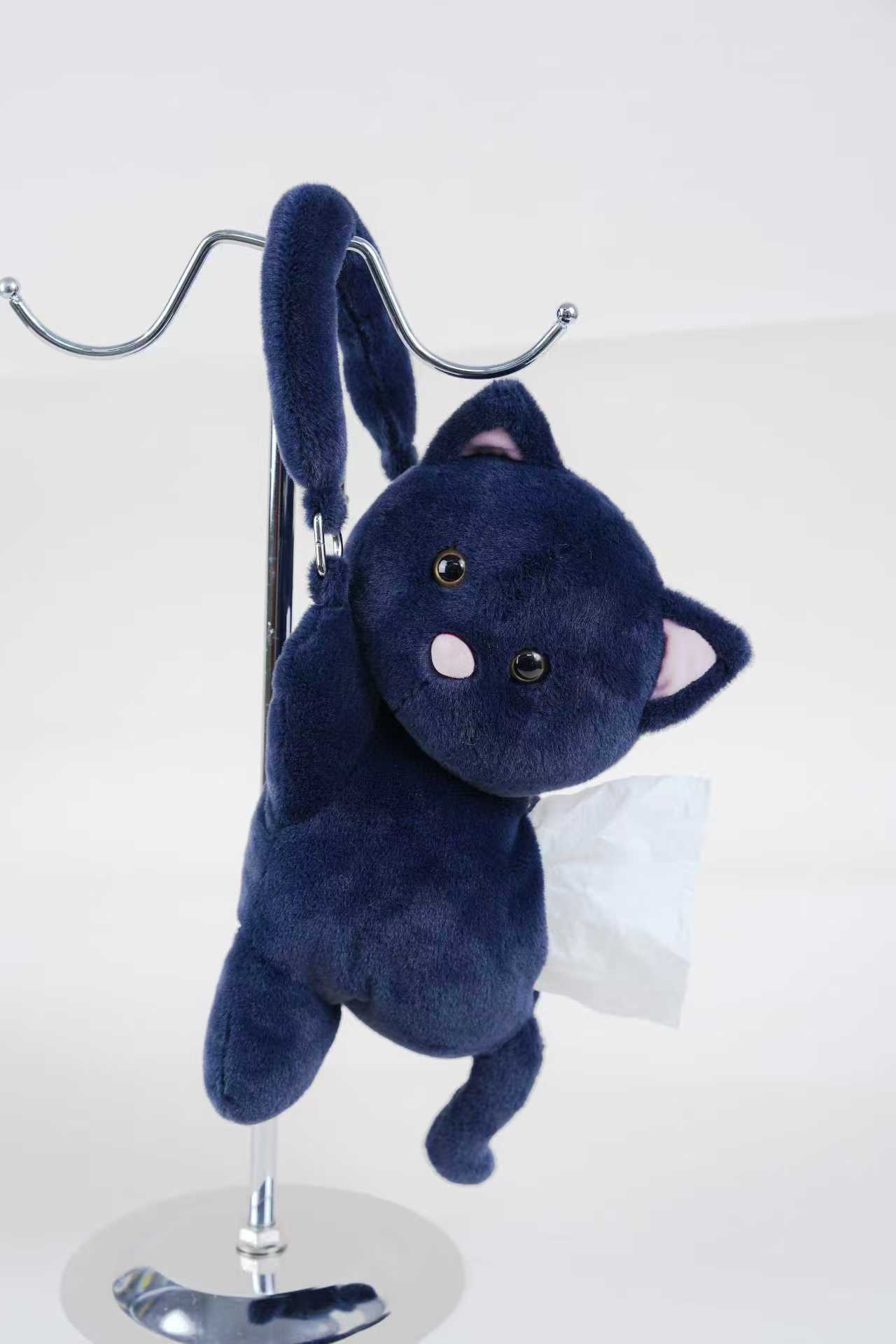
Ordering a custom plush toy can be an exciting step for brands, creators, IP owners, and businesses looking to turn an idea into a tangible, lovable product. Whether you're developing a custom stuffed animal, a bespoke plush mascot, or a private label plush toy for retail, promotions, or crowdfunding, the process involves far more than simply sending a design to a factory.
In reality, many first-time buyers — and even experienced ones — encounter avoidable issues during custom plush toy manufacturing. These mistakes can lead to higher costs, quality problems, delayed timelines, or products that fail to meet market expectations.
In this guide, we'll break down the most common mistakes to avoid when ordering a custom plush toy, using industry insights from years of hands-on experience. We'll also explain how working with a reliable partner like Ngwantoy can help you reduce risk and achieve better results from concept to delivery.
Mistake #1: Not Defining Clear Product Requirements Upfront
One of the biggest mistakes in custom plush toy production is starting without clear specifications. Many buyers simply provide a rough sketch or reference image and assume the manufacturer will ''figure it out.''
Why This Causes Problems
Unclear requirements often result in:
- Multiple sample revisions
- Misunderstood design details
- Inconsistent materials or sizes
- Higher development and sampling costs
What You Should Prepare Instead
Before contacting a custom plush toy manufacturer, define:
- Target size (e.g., 4-inch, 8-inch, or custom dimensions)
- Intended audience (kids, adults, collectors, promotional use)
- Fabric preferences (short plush, long plush, eco-friendly fabrics)
- Budget range and target retail price
- Safety or compliance requirements (ASTM, EN71, CPSIA)
From our experience at Ngwantoy, projects with detailed briefs move faster, cost less, and achieve higher satisfaction in the final product.
Mistake #2: Choosing a Supplier Based on Price Alone
Low pricing can be tempting, especially when sourcing custom plush toys wholesale or ordering in bulk. However, selecting a factory solely based on cost is one of the most common — and expensive — mistakes.
Hidden Risks of Low-Cost Suppliers
- Inferior fabric and stuffing quality
- Poor stitching and shape consistency
- Limited quality control
- Weak communication during production
A plush toy is a tactile product. If it doesn't feel good in hand, consumers notice immediately.
A Better Approach
Instead of asking ''Who's the cheapest?'', ask:
- What materials do you use for custom plush toys?
- How do you manage quality inspection?
- Can you support long-term brand growth?
At Ngwantoy, we focus on value-driven custom plush manufacturing, balancing cost, durability, safety, and visual appeal — especially for brands that care about reputation and repeat customers.
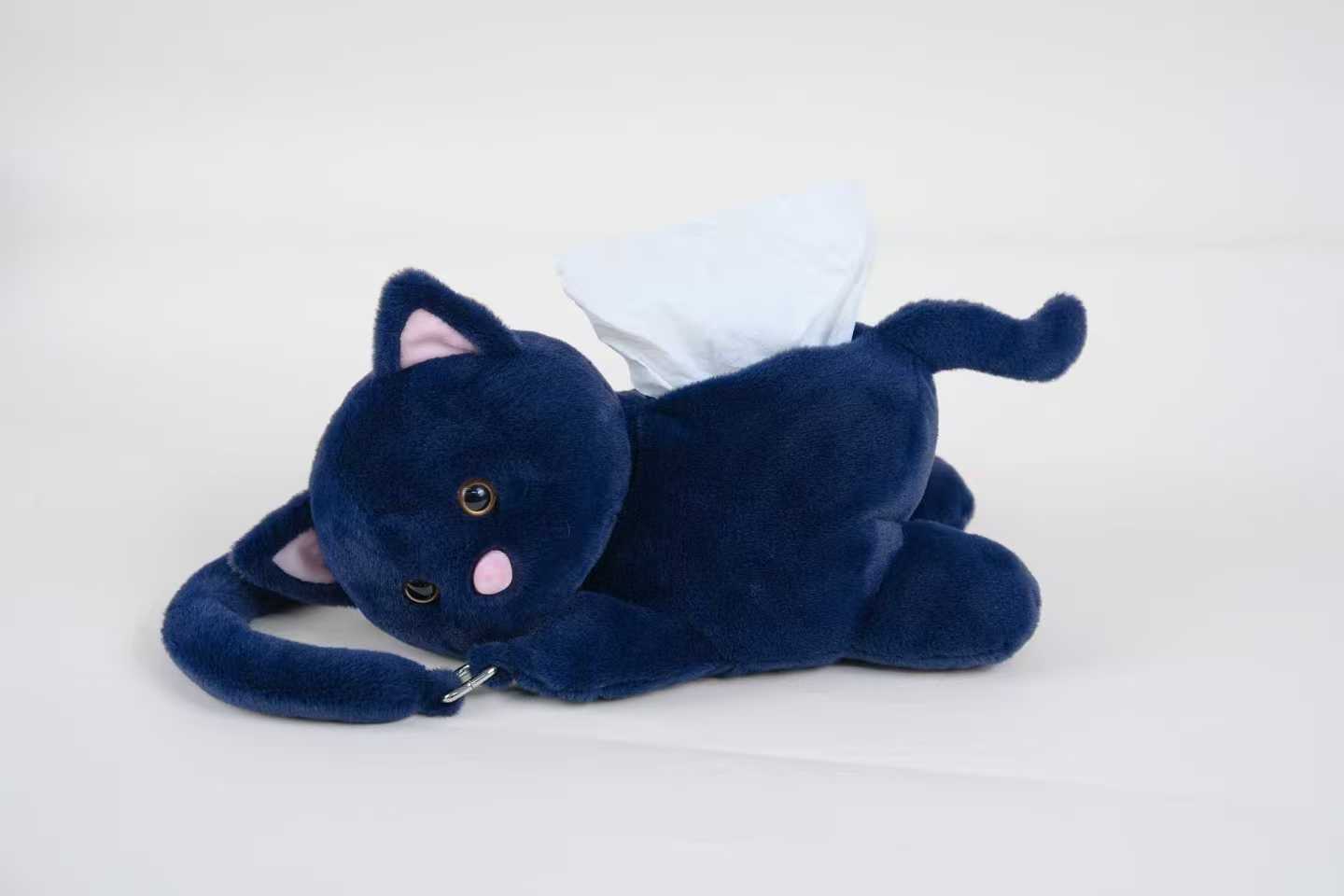
Mistake #3: Ignoring Minimum Order Quantity (MOQ) Implications
Many buyers overlook how MOQ for custom plush toys affects pricing, sampling, and scalability.
Common MOQ Misunderstandings
- Assuming any quantity is acceptable
- Not factoring MOQ into budget planning
- Ordering too many units before market validation
How to Avoid This
- Ask about flexible MOQs for startups or test runs
- Start with smaller batches for crowdfunding or pilot launches
- Align MOQ with sales channels (online, retail, events)
We often help clients optimize their order size — whether they need low MOQ custom plush toys for testing or large-scale production for retail distribution.
Mistake #4: Underestimating the Importance of the Sampling Stage
Skipping or rushing the custom plush toy sample phase is a critical error. Digital designs don't always translate perfectly into fabric and stuffing.
What Sampling Helps You Catch
- Proportion and shape issues
- Color mismatches
- Fabric texture problems
- Structural instability (e.g., plush toys that don't sit properly)
Best Practice
Always review:
- At least one physical prototype
- Stitching quality and seam placement
- Stuffing density and balance
At Ngwantoy, we treat sampling as a collaborative design stage, not just a formality. This approach reduces mass-production risks and ensures the final plush toy aligns with your vision.
Mistake #5: Overlooking Plush Toy Safety and Compliance
Whether you're creating a custom plush toy for kids or adults, safety standards still matter — especially if you plan to sell internationally.
Common Oversights
- Ignoring regional regulations
- Using non-certified materials
- Failing to test accessories (buttons, embroidery, tags)
What to Do Instead
Confirm your manufacturer understands:
- ASTM F963 (US market)
- EN71 (EU market)
- CPSIA and labeling requirements
A professional plush toy supplier should proactively guide you through these requirements. We routinely support clients by selecting compliant materials and advising on market-specific standards.
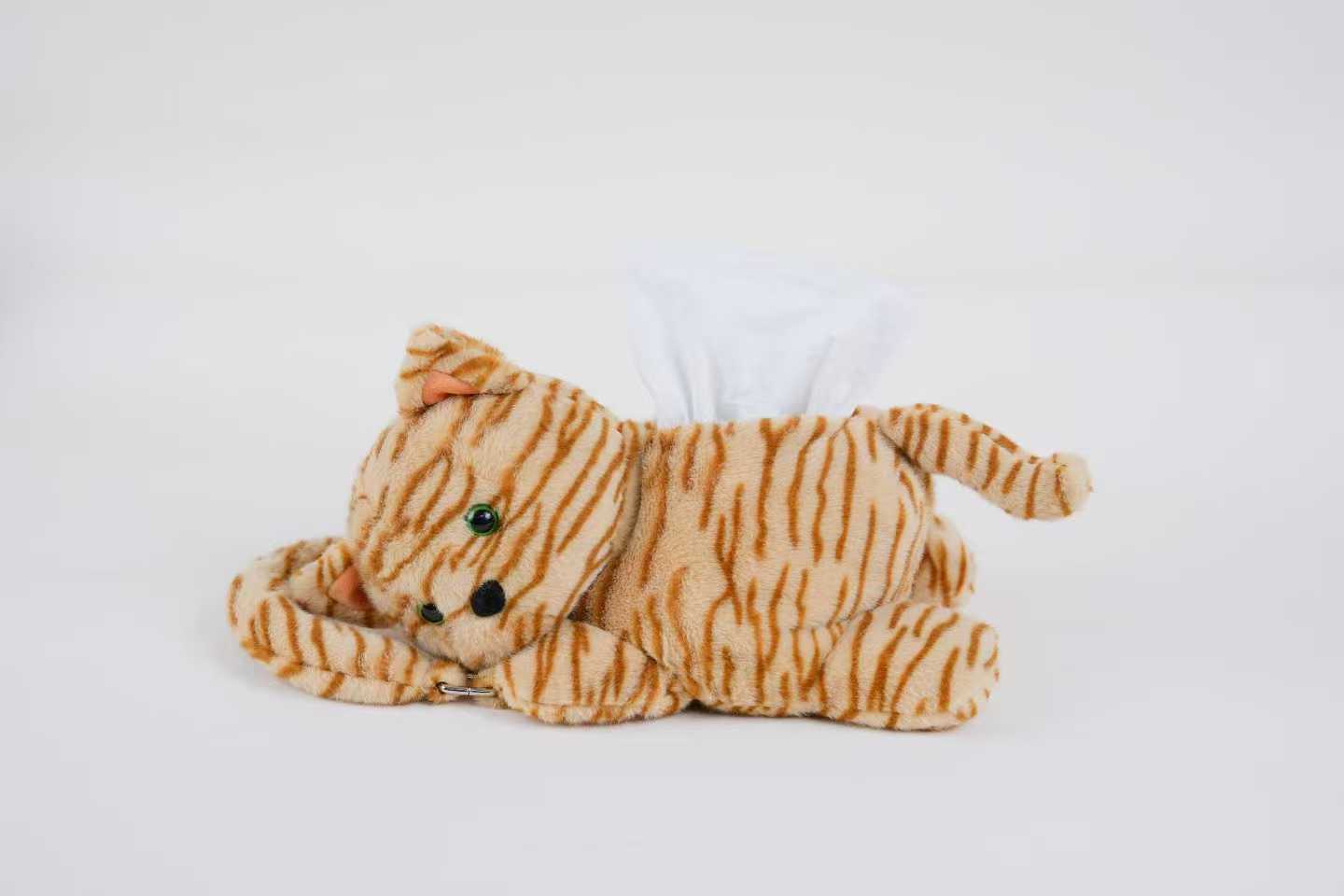
Mistake #6: Forgetting About Packaging and Presentation
Packaging is often treated as an afterthought, but it plays a major role in perceived value — especially for custom plush toys for gifts, branding, or retail.
Packaging Mistakes to Avoid
- Generic packaging that doesn't match brand identity
- Insufficient protection during shipping
- Missing storytelling elements
Smarter Packaging Strategy
- Use branded hang tags or story cards
- Choose eco-friendly or recyclable packaging when possible
- Design packaging that enhances unboxing experience
At Ngwantoy, we offer custom plush toy packaging solutions alongside manufacturing, helping brands deliver a cohesive product experience from factory to customer.
Mistake #7: Poor Communication During Production
Communication gaps are one of the biggest causes of delays and dissatisfaction in custom stuffed animal manufacturing.
Typical Issues
- Slow response times
- Unclear approval steps
- No production updates
How to Prevent This
- Establish clear communication channels
- Confirm approval checkpoints (sample → pre-production → bulk)
- Request photos or videos during production
We believe transparent communication is essential. That's why we provide regular updates and visual confirmations throughout the custom plush toy production process.
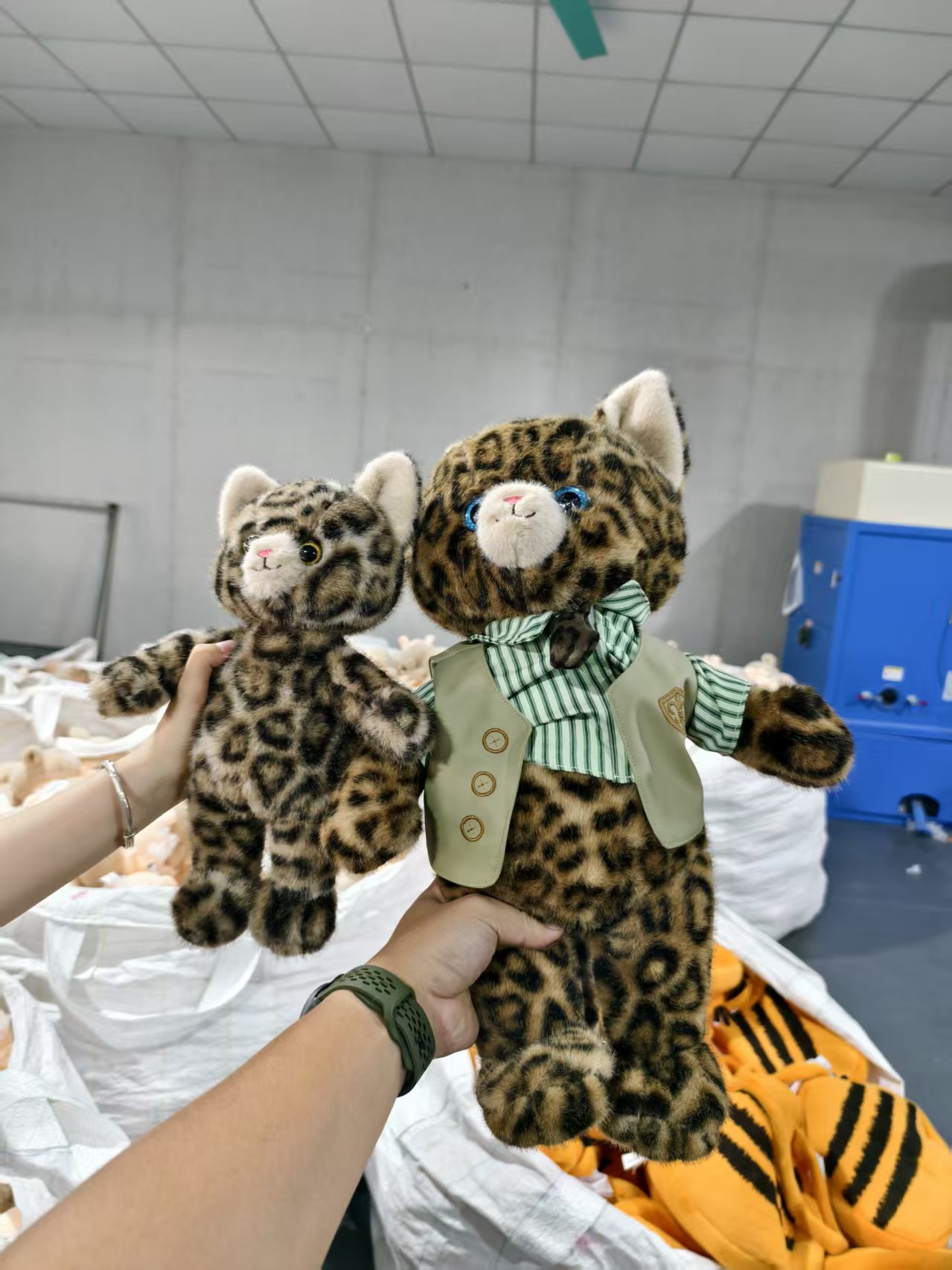
Mistake #8: Not Planning for Long-Term Scalability
Many buyers focus only on the first order and forget to plan for future growth.
Why This Matters
If your plush toy becomes successful, you may need:
- Consistent quality across repeat orders
- Stable material sourcing
- Capacity for higher volumes
Choosing a partner who can scale with you avoids the need to switch suppliers later — a move that often leads to inconsistency.
At Ngwantoy, we support both small-batch custom plush projects and long-term brand expansions, helping clients grow without compromising quality.
Conclusion: Smarter Ordering Leads to Better Plush Toys
Ordering a custom plush toy isn't just a transaction — it's a product development journey. By avoiding these common mistakes, you can reduce risk, control costs, and create plush toys that truly resonate with your audience.
From custom plush mascots and branded stuffed animals to original design plush toys and private label collections, success comes from clear planning, reliable manufacturing, and strong communication.
As a professional custom plush toy manufacturer, Ngwantoy works closely with brands, creators, and businesses to turn ideas into high-quality plush products — with thoughtful design support, flexible production options, and dependable quality control.