
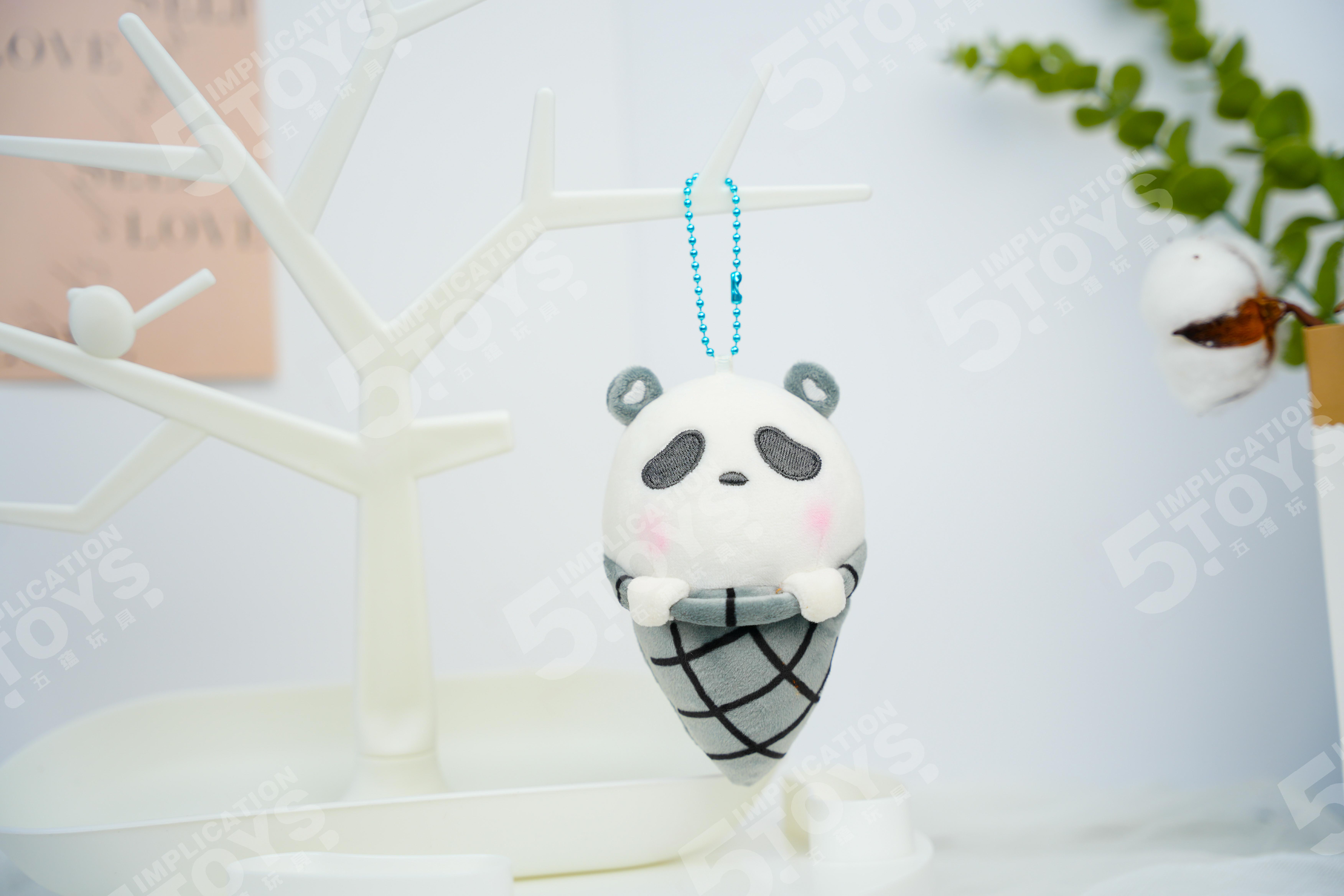
Original design plush toys have exploded in popularity over the past decade. From cute collectible plushies and custom mascot plush toys to retail plush toy lines, consumers and brands alike are falling in love with soft toys that boast personality, story-driven design, and authentic creativity. But creating a successful original plush toy — one that resonates with your audience and performs well in the market — isn't as simple as sketching a cute character and handing it off to production. Whether you are a brand owner, designer, retailer, or first-time creator, there are common mistakes in the plush toy development process that can derail even the most promising concept.
Below, we'll walk through these pitfalls and explain how to avoid them — especially when working with a trusted plush toy manufacturer like Ngwantoy, a professional original design plush toy producer with proven experience in transforming character concepts into premium, market-ready plushies.
1. Starting Without a Clear Design Vision
One of the biggest mistakes is diving headfirst into plush toy development without a clear and well-defined design vision. A strong original plush toy concept isn't just about how cute the character looks — it's about storytelling, emotional connection, and the creative identity you want your plush toy to embody.
Why It Matters
A vague concept often leads to revisions, confused branding, and inconsistent plush toy prototypes, causing delays in production and higher development costs. Plush toys that lack a compelling identity can also struggle in market positioning, making them less memorable to potential buyers.
How to Avoid It
Before moving into manufacturing, refine your idea with:
- Detailed sketches or mood boards
- Personality and backstory for the character
- Target audience analysis (kids, collectors, adult fans)
- Story and theme alignment with brand goals
Working with designers who understand plush character development — like the seasoned team at Ngwantoy — can save you from this early misstep. Their in-house designers excel at turning abstract ideas into well-structured toy design concepts that are production-ready.
2. Ignoring Plush Toy Size & Scale Considerations
Selecting the wrong size or scale for your plush toy design is another common mistake. Original design plush toys come in a range of sizes — from compact 4-inch collectibles to larger 8-inch display plushies — and each serves different market purposes.
Typical Mistakes
- Choosing oversized designs for plushies intended as keychains
- Making plush toys too small to express character detail
- Ignoring how size influences production cost and logistics
Smart Approach
- Decide early whether your plush toy is intended for kids, collectors, promotions, or décor.
- Consult your manufacturer about how size affects material usage and cost.
- For example, Ngwantoy's 4-inch plush toys make great gifts, mini collectibles, and keychain accessories, while 8-inch plush toys provide more space for expressive detailing and shelf display.
Evaluating size before entering mass production avoids costly redesigns and helps align your product with pricing expectations and consumer behavior.
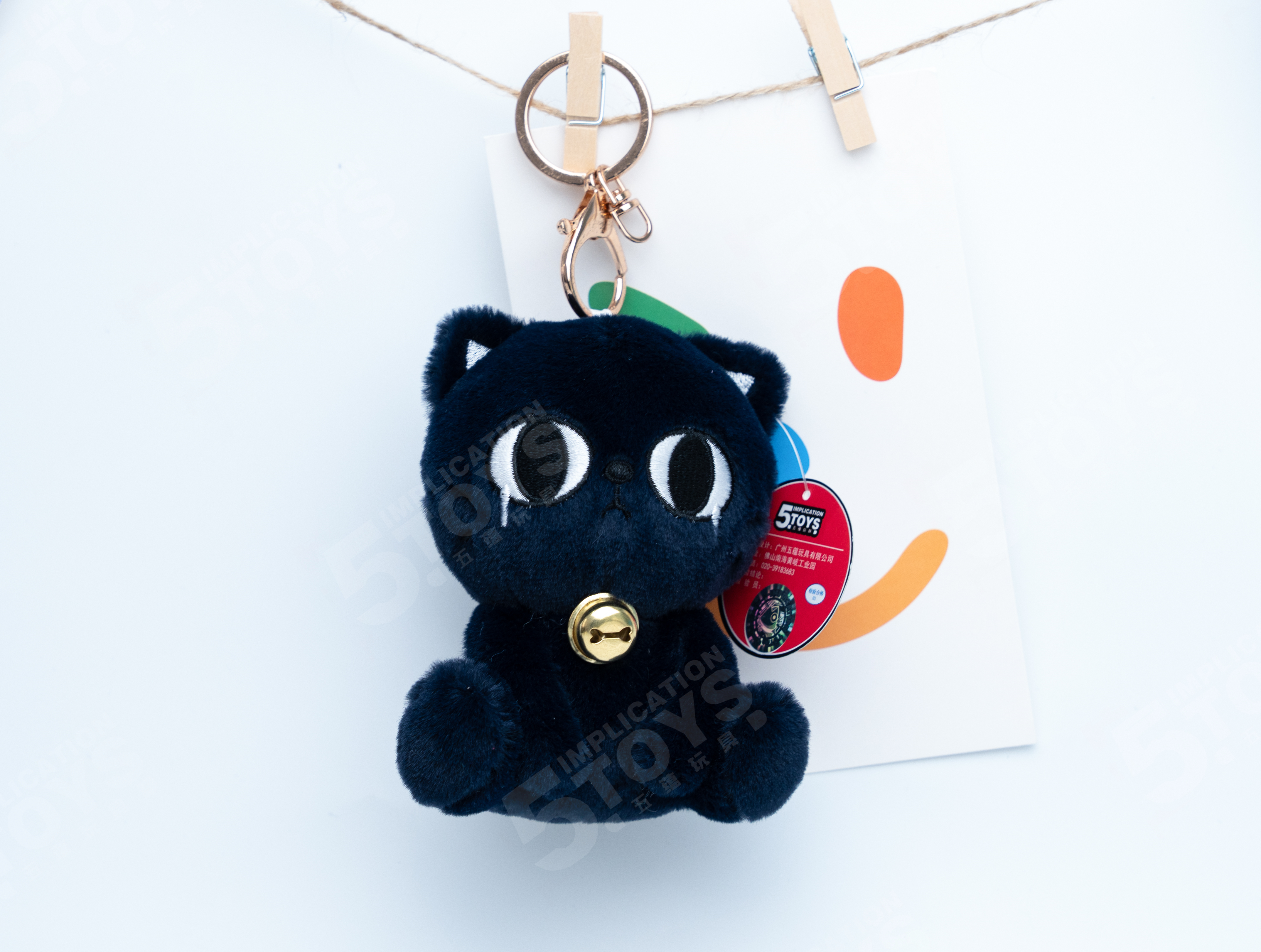
3. Overlooking Material Quality and Safety Standards
Many creators underestimate the importance of material selection — an essential factor in both comfort and trustworthiness of a plush toy product.
Where Designers Go Wrong
- Using low-grade fabrics that fade or pill easily
- Ignoring skin-friendly and non-toxic plush materials
- Failing to check for toy safety compliance (EN71, ASTM, CPSIA)
Plush toys aren't just decorative — they are often comfort companions for children and adults alike, so safety and softness are not negotiable.
Best Practice
Choose materials that are:
- Skin-friendly and hypoallergenic
- Durable and resilient to handling
- Compliant with international toy safety standards
At Ngwantoy, original design plush toys are crafted with premium plush fabrics and safe stuffing materials to ensure comfort, durability, and compliance with common toy safety expectations.
4. Neglecting the Sampling and Prototype Stage
Rushing past the sampling stage is one of the most costly mistakes in developing original plush toy designs.
Why Sampling Matters
A plush toy sample lets you physically evaluate:
- Size and proportion
- Material feel and thickness
- Color accuracy
- Sewing and stitching quality
- Structural balance
Skipping this critical step can lead to:
- Unexpected mismatches in finished products
- Unappealing or unstable plush structures
- Missed opportunities to refine character details
Professional Tip
Always request a physical sample before bulk production. A reputable manufacturer like Ngwantoy offers sample development that visualizes your plush toy concept in material form, so you can confirm every detail before committing to mass production. This avoids costly production errors later in the process.
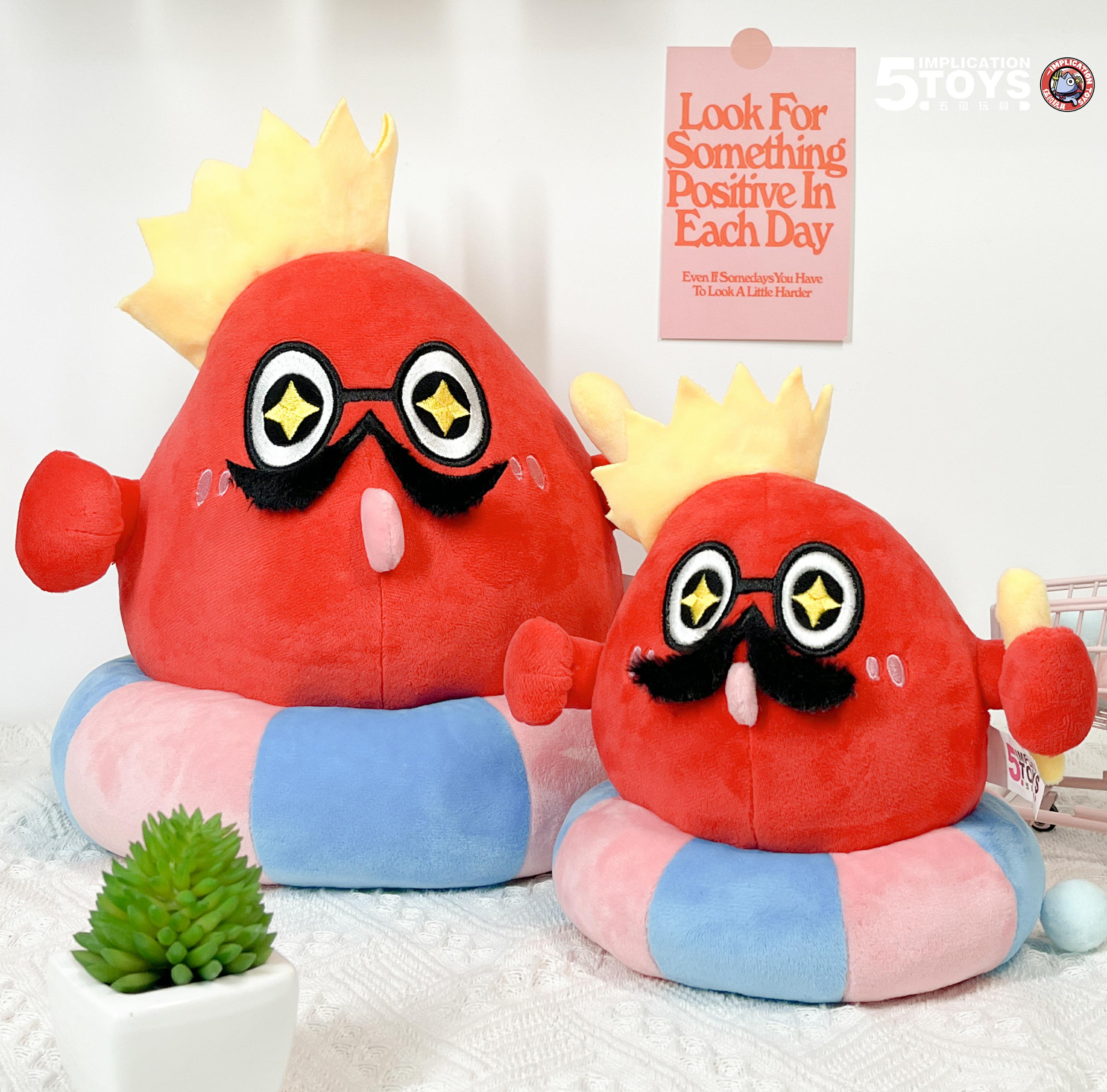
5. Underestimating the Importance of Quality Control
Many creators assume once production begins, quality will naturally follow — but that's rarely the case.
Common Quality Control Gaps
- Inconsistent plush shape or stuffing density
- Uneven stitching or loose threads
- Color mismatches between samples and bulk units
- Material defects unnoticed during production
Without rigorous quality control processes, even well-designed plush toys can fall short of expectations.
How to Ensure High Quality
- Implement multi-stage quality inspections
- Ask for pre-shipment photos or videos
- Test plush toys under real-world handling scenarios
Factories like Ngwantoy integrate quality inspections from material selection to final packaging, ensuring each plush toy meets both design and safety standards.
6. Ignoring Packaging and Presentation Impact
Packaging might seem secondary, but it significantly influences consumer perception and resale value. Poor packaging can make a high-quality plush toy feel cheap or unprofessional at retail.
Packaging Mistakes to Avoid
- Using weak or non-protective packaging
- Failing to include brand identity elements (logo, story card)
- Neglecting gift-ready presentation for retail products
Packaging Best Practices
- Choose sturdy boxes or hang tags
- Include brand storytelling elements
- Consider eco-friendly and recyclable materials
Ngwantoy expands beyond plush toy manufacturing by also offering customized packaging solutions that enhance customer unboxing experience, making your plush toy product more appealing on display shelves or e-commerce listings.
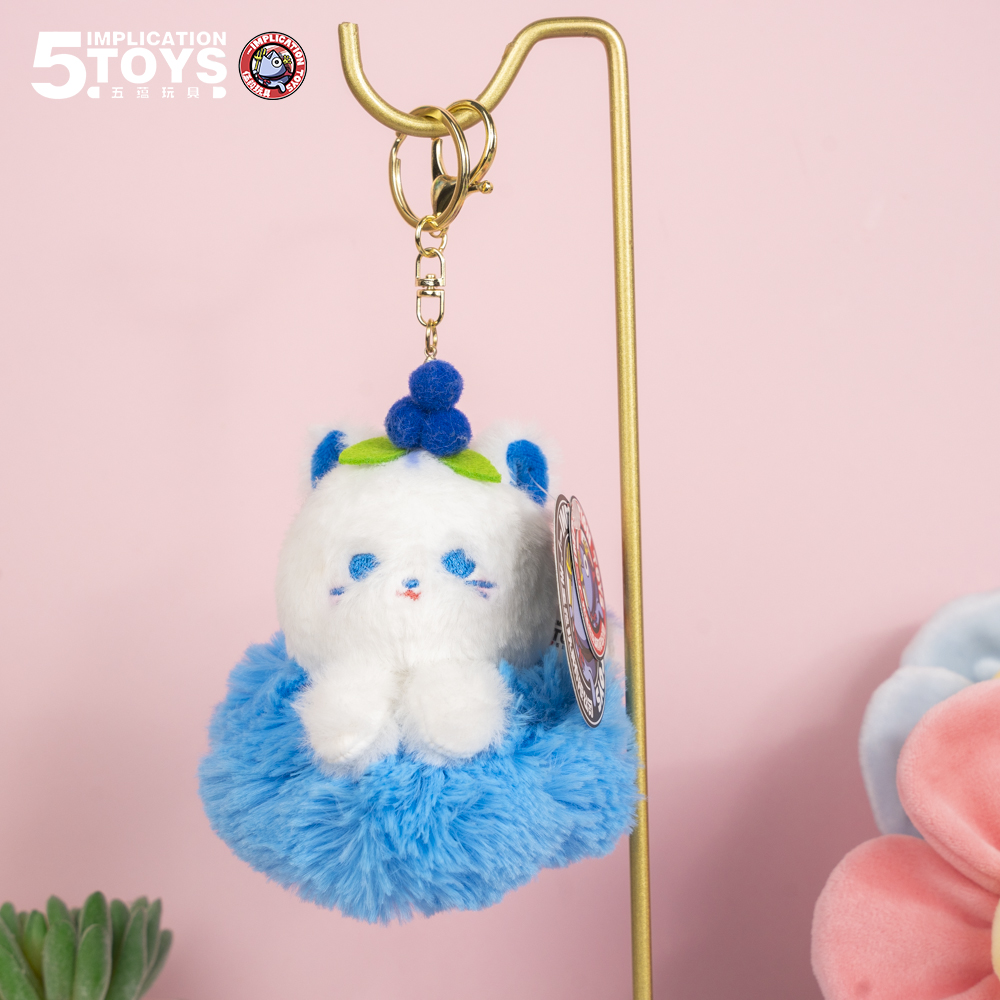
7. Skipping Market Testing Before Production
Launching a plush toy without prior market feedback is a risky move.
Why Testing Matters
- You might misjudge customer appeal
- Your character design might not resonate with the intended audience
- Pricing expectations could be off target
Steps for Better Market Testing
- Produce a small batch of plush toys for pre-orders
- Run social media polls or previews
- Gather feedback from sample groups or retail partners
Even with excellent design and manufacturing, understanding how your original plush toy performs in real market conditions can guide refinement before wider release.
8. Discounting the Need for Brand Consistency
Finally, a plush toy with an amazing independent character design still needs consistency with your brand's overall aesthetic and message.
Brand Mistakes Often Seen
- Plush toy visuals don't match brand style
- Character story is disconnected from brand values
- Confusing product lines without differentiating themes
Brand Alignment Tips
- Map plush character traits to brand identity
- Use consistent colors, fonts, and packaging elements
- Align character narratives with brand messaging
Working with manufacturing partners who understand brand positioning — like Ngwantoy — can make your plush toy development more strategic, thoughtful, and aligned with broader business goals.
Conclusion: A Thoughtful Path to Plush Toy Success
Developing an original design plush toy is a rewarding, creative experience — but it requires careful planning, attention to detail, and strategic collaboration. From early concept development and material selection to sample approval and quality inspection, every step matters in ensuring your plush toy stands out and connects with your audience.
By avoiding these common mistakes and partnering with a reliable original design plush toy manufacturer like Ngwantoy, you can bring your ideas to life with clarity, creativity, and confidence. With premium materials, experienced design teams, and manufacturing excellence, Ngwantoy helps creators, brands, and retailers achieve plush toy success — from concept to final delivery.