
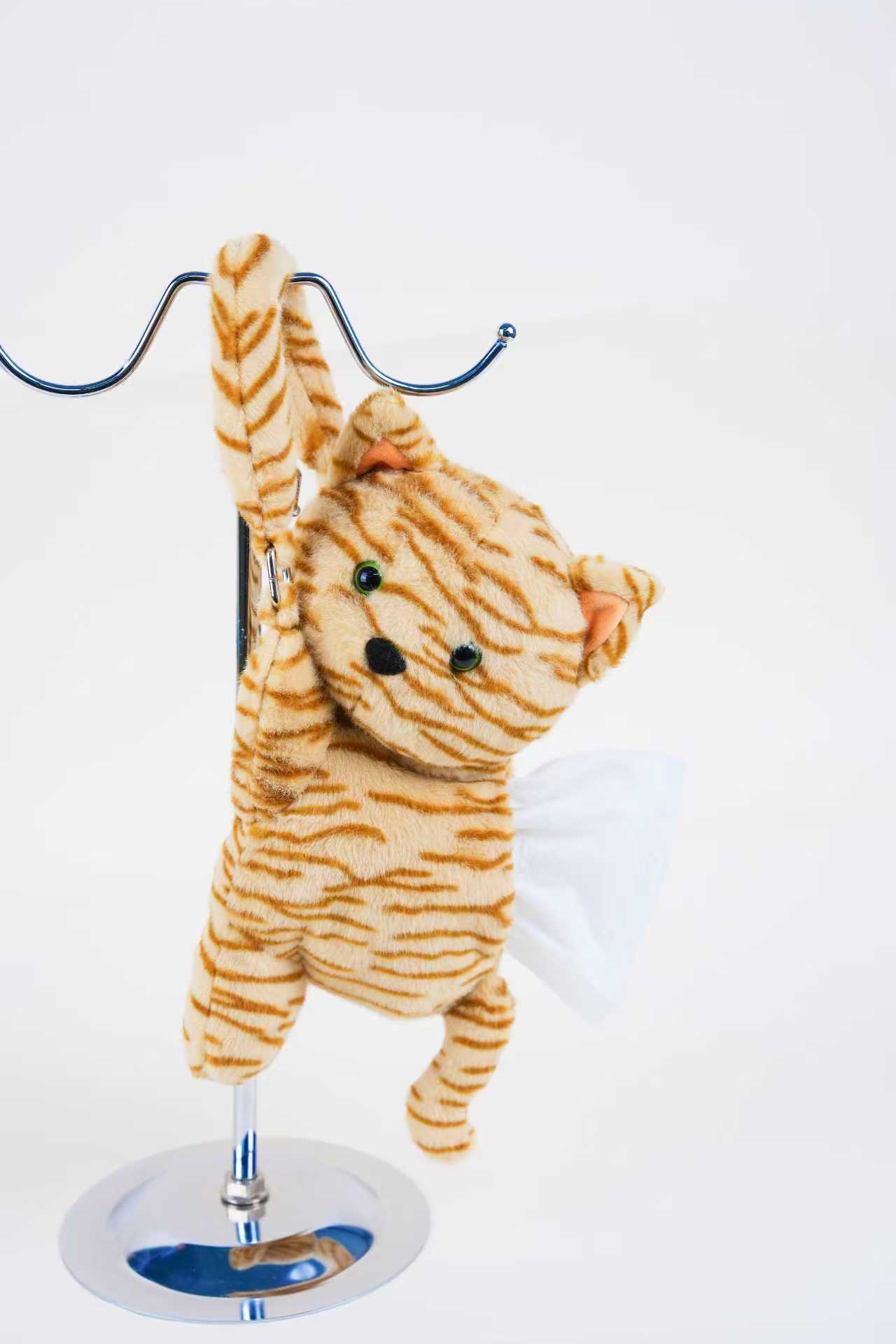
Custom plush toys have evolved far beyond simple soft toys—they are now an integral part of branding, merchandising, and personalized gifting worldwide. At Ngwantoy, we specialize in plush toy production and customization, helping businesses bring their ideas from concept to market-ready products. This comprehensive guide will walk you through every stage of creating custom plush toys in 2026, from design and material selection to prototyping, mass production, quality control, and shipping.
Understanding Custom Plush Toys
A custom plush toy is any stuffed toy designed according to specific requirements, including size, shape, materials, color, logo placement, and special features. Demand for custom plush toys has surged in recent years due to personalized gifts, brand merchandising, and fan merchandise for popular IPs.
At Ngwantoy, we offer both OEM and ODM services, which means whether you need a plush toy based on your design or want us to help create one from scratch, we can support your project from start to finish.
Step 1: Designing Your Plush Toy
Design is the foundation of a successful plush toy. A well-thought-out design ensures the toy is visually appealing, safe, and manufacturable. Key aspects of design include:
- Size and dimensions: Consider age group, usage, and market trends. Oversized plush toys have become especially popular in 2026 for gifting and décor.
- Material selection: The choice of fabric and filling impacts softness, durability, and safety.
- Safety and regulatory compliance: Designs must account for EN71, ASTM F963, and other international standards.
- Special features: Accessories, embroidery, sound modules, or weighted fillings can enhance appeal.
- Color accuracy and branding: Incorporating your brand colors or logo enhances recognition.
We encourage clients to provide sketches, digital artwork, or inspiration boards. At Ngwantoy, our design team can transform even rough ideas into professional prototypes. We also provide guidance on the latest market trends, such as kawaii plush toys, animal plush toys, and weighted stuffed animals, to ensure your design has commercial appeal.
Step 2: Material Selection
Choosing the right materials is critical for durability, safety, and aesthetic quality. Key considerations include:
- Fabric types: Soft plush, velboa, minky, fleece, or cotton. Each has unique textures and feels.
- Filling materials: PP cotton, polyester fiber, weighted beads, or eco-friendly alternatives.
- Hypoallergenic and non-toxic materials: Essential for toys for children under 3.
- Sustainable fabrics: Increasingly important for eco-conscious buyers, including OEKO-TEX certified textiles.
At Ngwantoy, we source high-quality certified fabrics that meet international safety standards. Proper material selection also ensures toys maintain their shape, softness, and color after repeated use.
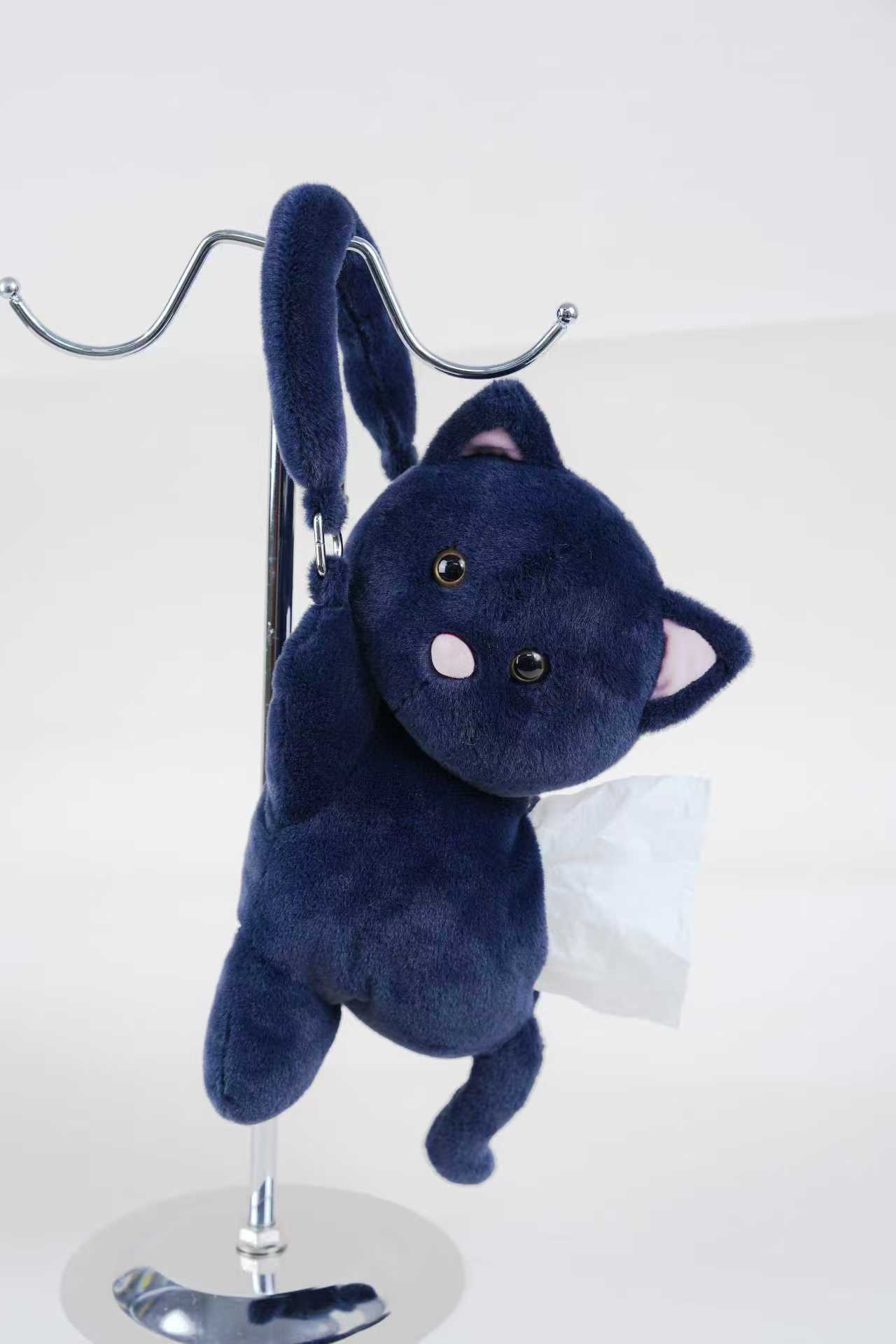
Step 3: Prototyping and Sample Approval
Prototyping allows you to evaluate the look, feel, and functionality of your plush toy before mass production. The process includes:
- Creating a physical sample based on your design and material specifications.
- Testing durability and safety, including seam strength, choking hazards, and washability.
- Iterating: Adjusting size, materials, color, or features based on client feedback.
- Final approval: Ensuring the sample meets both visual and functional expectations.
We work closely with clients during prototyping, providing guidance on potential improvements to reduce production risks. This step is essential for both low MOQ plush toys for startups and bulk orders for international brands.
Step 4: Mass Production
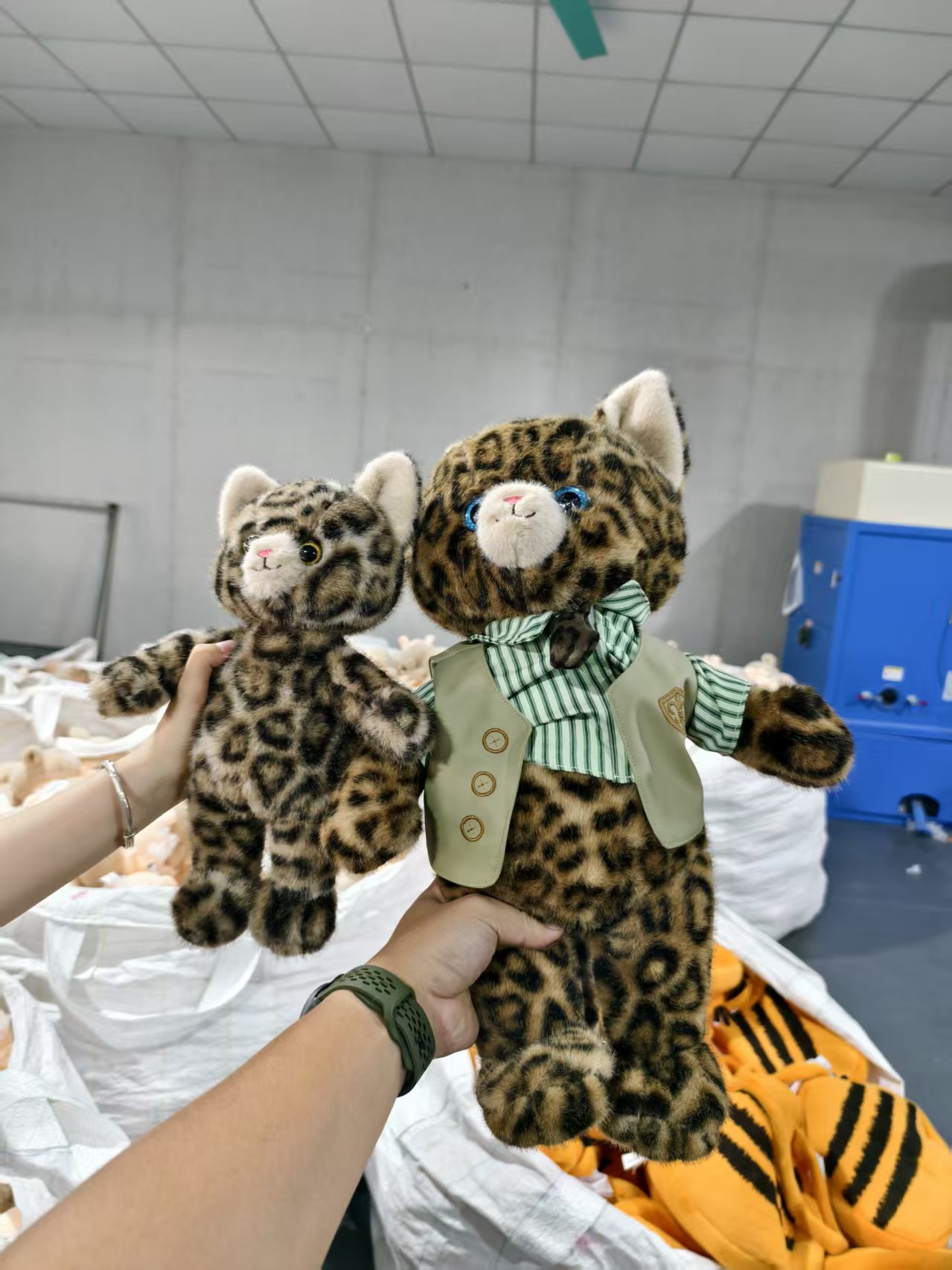
Once prototypes are approved, mass production begins. The process at Ngwantoy includes:
- Pattern making and cutting: Precision cutting ensures consistent size and shape across all units.
- Sewing and assembly: Skilled artisans and professional machines create clean seams and secure construction.
- Filling and finishing: Toys are filled with PP cotton or other materials, then final details like embroidery, sound modules, and accessories are added.
- Quality control (QC): Every toy undergoes inspection for stitching, color consistency, safety, and overall quality.
We can accommodate low MOQ for startups or large-volume orders, providing flexibility without compromising quality. Our streamlined production workflow ensures efficiency and reduces lead times.
Step 5: Safety and Compliance
International markets require plush toys to comply with strict safety standards. Important certifications include:
- EN71 (European safety standard)
- ASTM F963 (US safety standard)
- CPSIA (US consumer product safety)
- OEKO-TEX (textile safety certification)
At Ngwantoy, all products are tested for compliance before shipment. Ensuring your plush toys are safe and certified helps build trust with retailers and consumers, reducing liability and enhancing brand reputation.
Step 6: Packaging and Shipping
Packaging plays a vital role in protecting toys during shipping and attracting customers in retail settings. Options include:
- Custom retail packaging: Featuring logos, brand colors, and graphics.
- Eco-friendly packaging: Recyclable boxes or biodegradable materials are increasingly popular.
- Bulk packaging: For wholesalers and distributors, optimizing space and cost.
- International shipping solutions: Ensuring safe delivery across borders with reliable logistics partners.
We help clients choose the best packaging strategy to enhance unboxing experiences and maintain product integrity.
Step 7: Trends and Market Insights (2026)
Understanding trends is essential to staying competitive. Current trends in plush toys include:
- Oversized plush toys: Popular for gifts and décor.
- Kawaii and character plush toys: Appeal to younger audiences and collectors.
- Weighted plush toys: Gaining attention for stress relief and comfort.
- Eco-friendly and sustainable toys: Meeting growing demand from conscious consumers.
By combining these trends with custom designs, businesses can create plush toys that sell quickly and establish brand recognition. At Ngwantoy, we guide clients through trending designs and manufacturing possibilities.
Conclusion
Creating custom plush toys in 2026 requires a careful balance of design, material selection, prototyping, production, safety, and packaging. By partnering with a factory like Ngwantoy, you gain access to expertise in OEM and ODM plush toys, safe materials, quality control, and global shipping solutions. Whether you need low MOQ plush toys for startups or bulk production for international brands, we can turn your ideas into high-quality products ready for the market.
Investing in high-quality materials, safety compliance, and market-aware designs ensures your plush toys are not only safe and durable but also commercially successful. Contact Ngwantoy today to start your journey from concept to mass production.