
Plush toys are not just children’s products. They can be comfort items, collectibles, decorative pieces, promotional gifts, or branded merchandise. Because they are made from fabric, filling, stitching, embroidery, and sometimes internal accessories, they need proper storage and routine care to stay clean, soft, and presentable over time.
A well-structured storage plan does more than save space. It helps reduce dust, prevent odor, protect color, maintain shape, and extend product life. For businesses, proper plush toy care also matters because product condition directly affects display quality, customer experience, and brand perception.
Storage Methods for Plush Toys
A good plush toy storage system should control four things at the same time: dust, moisture, light, and pressure. Plush toys stay in better condition when they are kept in a clean, dry, cool, and low-light environment, with stable temperature and humidity rather than hot attics, damp basements, or areas exposed to direct sunlight. In general, a storage environment of around 18–21°C (65–70°F) with 40%–50% relative humidity is considered more suitable for helping textile-based products maintain their condition over time.
Store Plush Toys by Usage Type
Instead of storing all plush toys the same way, it is better to separate them by purpose. This makes the system more practical and helps prevent unnecessary wear.
- Daily-use plush toys: store in open baskets, fabric bins, or low shelves for easy access
- Display plush toys: place on clean shelves or in enclosed display cabinets away from direct sunlight
- Long-term storage plush toys: use covered containers in a dry closet or other climate-stable indoor space
- Collector or sentimental plush toys: use gentler packaging, reduce handling, and avoid compression
Control the Storage Environment
The storage environment has a direct effect on plush toy preservation. The goal is to reduce moisture risk, temperature fluctuation, and light exposure.
- Keep plush toys in a cool, dry, indoor area
- Avoid basements, garages, and attics if they are humid or poorly insulated
- Keep storage away from direct sunlight, heaters, and exterior walls with condensation risk
- Make sure the area is clean and ventilated
- Inspect stored items periodically for odor, dust, pests, or moisture signs
Choose the Right Storage Materials
Different storage materials work for different needs. For standard home organization, practical containers are fine. For long-term preservation or collectible plush toys, the storage material matters more.
| Storage scenario | Recommended solution | Why it works |
|---|---|---|
| Everyday family use | Fabric bins, baskets, toy benches | Easy access, less compression |
| Seasonal or low-use plush | Clear lidded storage boxes | Dust protection and easy identification |
| Collector plush toys | Acid-free tissue + archival box | Better protection from dust, abrasion, and light |
| Display plush toys | Enclosed cabinet or covered shelf | Cleaner presentation and lower dust exposure |
Prevent Shape Loss During Storage
Plush toys may look soft and flexible, but long-term pressure can still deform them. This is especially true for toys with oversized heads, long limbs, embroidered faces, or sculpted details.
To maintain shape:
- Do not overfill storage bins
- Do not stack heavy items on top of plush toys
- Leave enough room for the toy to rest naturally
- For premium or delicate items, support folds or pressure points with soft tissue
- Rotate display plush occasionally if one side is exposed to more light or pressure
Set a Basic Inspection Routine
Storage is not a one-time task. Plush toys should be checked periodically, especially if they are kept in long-term storage.
A simple inspection routine includes:
- checking for dust buildup
- smelling for damp or musty odor
- looking for mildew or discoloration
- checking whether stuffing has shifted or flattened
- confirming that tags, embroidery, and accessories remain intact
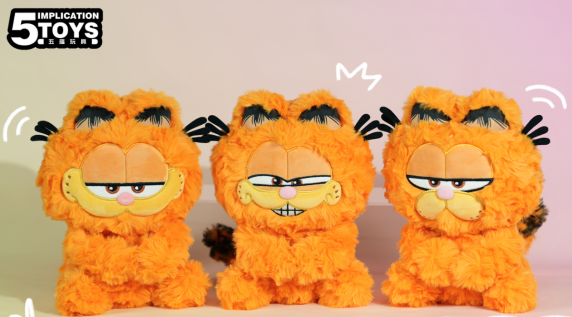
What Factors Affect the Preservation of Plush Toys?
The condition of a plush toy is influenced by both its storage environment and its construction quality. The table below highlights the most common preservation risks.
| Risk factor | How it affects plush toys | Practical control method |
|---|---|---|
| Humidity | Can lead to odor, mildew, mold, and fiber damage | Keep storage dry and ventilated |
| Dust | Makes fabric dull and harder to clean over time | Use covered storage or routine wipe-downs |
| Direct sunlight | Can fade color and weaken outer fabric | Store away from windows and UV-heavy areas |
| Heat | Can affect surface texture and filling condition | Avoid heaters, hot cars, and hot attics |
| Compression | Can flatten stuffing and distort shape | Avoid overpacking and heavy stacking |
| Poor materials | Shortens service life and affects appearance | Choose better fabrics, filling, and stitching quality |
How to Clean Plush Toys
Cleaning plush toys the right way helps keep them soft, fresh, and in good condition. The best method depends on the toy’s material and structure. In general, it is better to start with the gentlest option.
Surface Cleaning
For daily dust or light dirt, use a soft cloth with a little water and mild soap. Wipe the surface gently instead of rubbing too hard. This method works well for regular care and helps avoid unnecessary damage.
Spot Cleaning
If only one area is dirty, clean just that part. Use a damp cloth or soft brush with diluted mild detergent, then gently blot the stain. This is a practical way to remove small marks without washing the whole toy.
Hand Washing
For delicate plush toys, hand washing is usually safer. Wash the toy gently in cool or lukewarm water with a small amount of mild detergent. Do not twist or scrub hard, as this may damage the shape or stitching.
Machine Washing
If the toy is machine washable, place it in a laundry bag or pillowcase and wash it on a gentle cycle with cold water. Use mild detergent and avoid strong spinning or high heat.
Drying
After cleaning, press out excess water with a towel, reshape the toy, and let it air dry completely. Do not store a plush toy until the inside is fully dry.
How to Bulk Customize Plush Toys
Bulk customized plush toys are widely used for mascots, promotional gifts, retail products, and licensed collections. A smooth project usually starts with a clear concept, followed by sampling, material confirmation, production, and packaging. With OEM and ODM support, 5 Toys helps brands and buyers turn ideas into finished plush products more efficiently.
Start with the Design Concept
The first step is to define the basic idea, including the character, size, target market, order quantity, and budget. A clear concept makes the rest of the process easier and more efficient.
Prepare Product Details
Once the idea is confirmed, the next step is to provide reference materials such as sketches, logos, images, colors, size requirements, and accessory details. Clear input helps improve sampling accuracy and reduces revisions.
Develop and Review the Sample
Before mass production, a sample is made to check the shape, color, stitching, and overall effect. This step helps ensure the final product matches the original idea more closely.
Confirm Materials and Specifications
After the sample is approved, the key details are finalized. This usually includes fabric, filling, embroidery, labels, accessories, and packaging. Confirming these points early helps keep production consistent.
Move Into Bulk Production
Once everything is approved, the order moves into mass production. At this stage, quality control is important to keep the plush toys consistent in shape, stitching, stuffing, and finish.
Why 5 Toys Fits Bulk Custom Plush Projects
5 Toys works with a wide range of custom plush projects, from promotional mascots to retail-ready plush collections. The company’s customization service covers design development, sample making, bulk production, and packaging support, making it a practical partner for buyers who need a more complete workflow rather than simple manufacturing only.
With experience in custom development and flexible production support, 5 Toys is well suited to projects that require both creative execution and production coordination.
If you are planning a mascot plush, promotional plush gift, or retail plush collection, 5 Toys can help you move from concept to sample and then into bulk production.
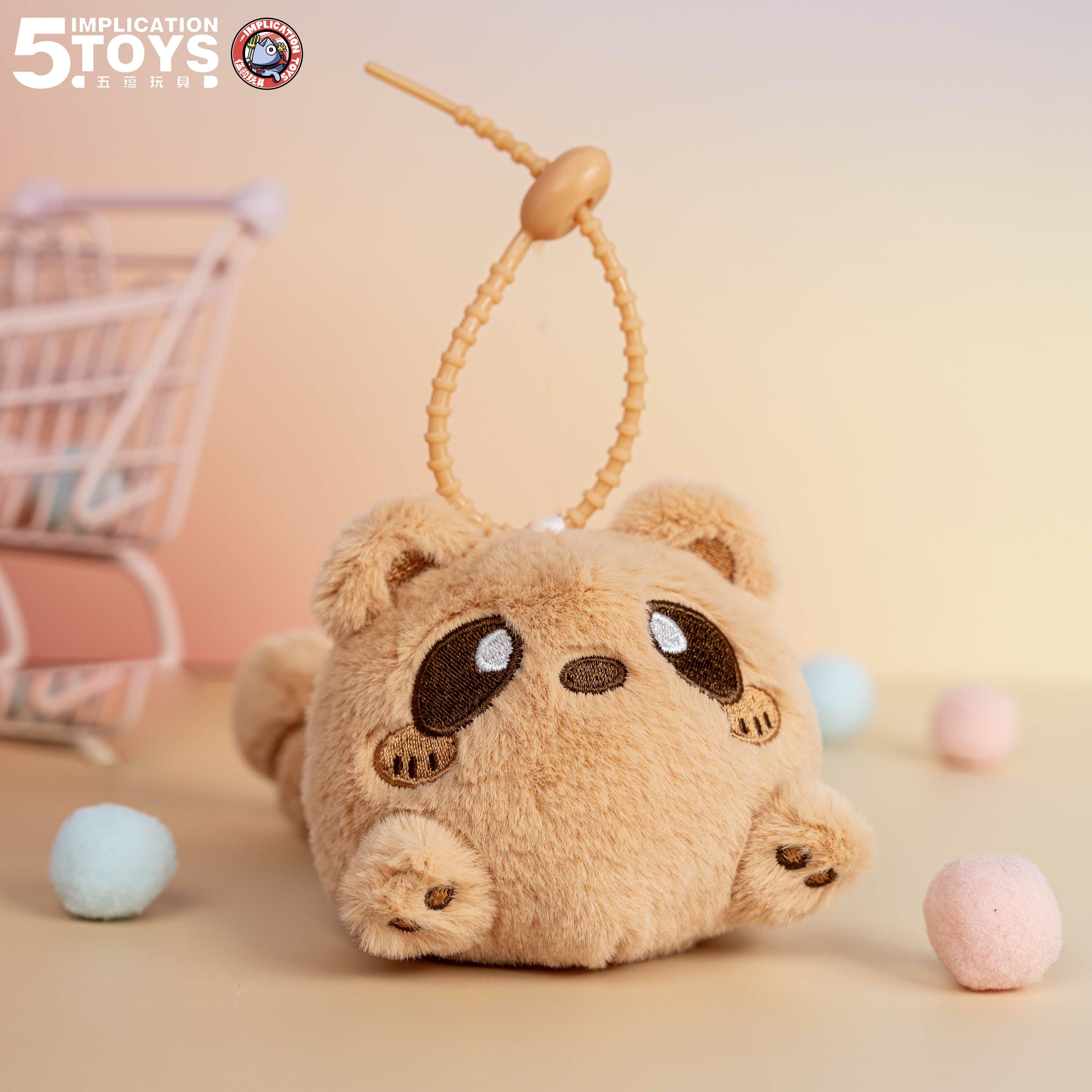
Conclusion
Proper plush toy storage should be approached as a preservation system, not just a space-saving solution. The key principles are simple: keep plush toys clean, dry, protected from light, and free from excessive pressure. For higher-value or collectible plush toys, storage materials and inspection routines matter even more.
For business buyers, plush toy preservation also starts at the manufacturing stage. Better materials, stronger construction, and a more controlled customization process lead to products that not only look better at delivery, but also hold up better in storage, shipping, and end-user handling.
FAQ
Q1. Can plush toys be stored in plastic bins?
Yes, for normal household storage, plastic bins with lids are commonly used. The key is to make sure the toys are fully clean and dry before sealing them inside.
Q2. What is the best place to store plush toys long term?
A dry, cool, indoor closet or another climate-stable storage area is usually the best option. Avoid damp basements, hot attics, and direct sunlight.
Q3. Should collectible plush toys be stored differently?
Yes. Collector-grade plush toys are better stored with gentler support, lower handling frequency, and more protective materials such as acid-free tissue and archival-style storage solutions.
Q4. How often should stored plush toys be checked?
For long-term storage, an annual or semi-annual inspection is a practical standard.
Q5. What does 5 Toys offer for customized plush toys?
5 Toys offers OEM/ODM customized plush toy development, concept-based sampling, fast sample development, and packaging customization support.