
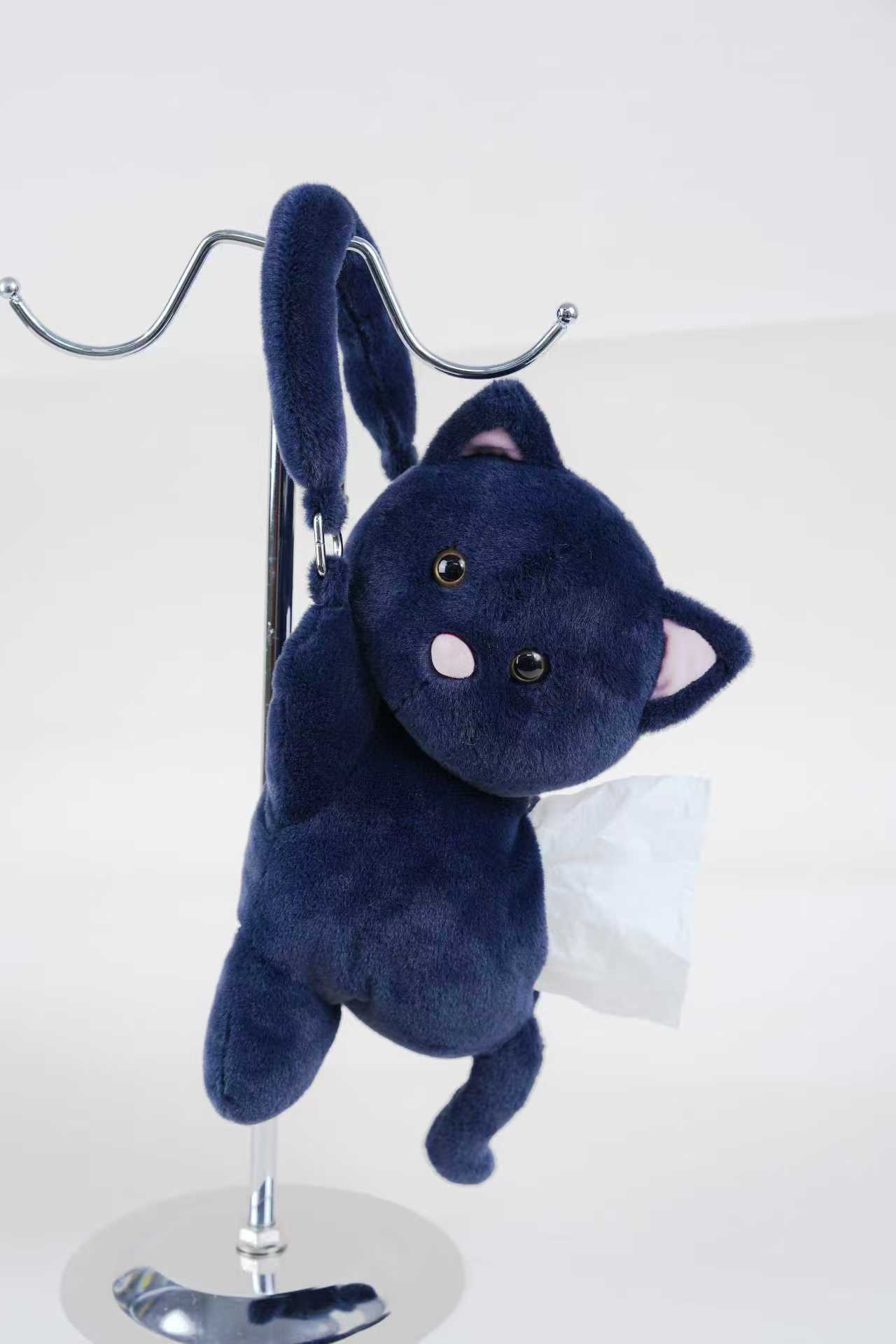
Finding the right plush toy suppliers is not only about getting a low price. It is about choosing a partner that can match your product goals, protect your quality standards, support your delivery schedule, and help your business grow over time.
Whether you are launching a new toy brand, developing gift products, planning licensed merchandise, or expanding a retail line, the supplier you choose will directly affect product quality, customer satisfaction, and your overall margins. A good supplier can make development smoother. The wrong one can create delays, inconsistent quality, and costly rework.
1. Know Your Needs
Before reaching out to any plush toy supplier, get clear on what you actually need. Many buyers start by asking for prices too early. That usually leads to incomplete quotes, confusing communication, and unrealistic expectations. A supplier can only give useful feedback when the project requirements are specific enough.
Start with the basics:
Product Type
Decide what kind of plush toy you want to produce. This may include:
- standard plush toys
- mascot plush toys
- anime or game character plush
- baby plush toys
- promotional plush items
- collectible plush toys
Size and Construction
Define the target size, shape, stuffing level, embroidery details, accessories, and packaging style. A small 4-inch plush keychain and a large premium plush toy require very different production approaches.
Target Market
Think about who will buy the product. A plush toy for a child-focused retail market will have different design and compliance requirements than a collector-focused item for adults.
Budget and Positioning
Are you building a value product, a mid-range retail item, or a premium collectible? Your price target will affect fabric choices, embroidery complexity, packaging, and MOQ expectations.
Customization Level
Some buyers already have finished artwork and tech packs. Others only have an idea or rough sketch. Knowing your starting point helps you identify whether you need a factory, a development partner, or both.
When your needs are defined early, it becomes much easier to compare plush toy suppliers fairly.
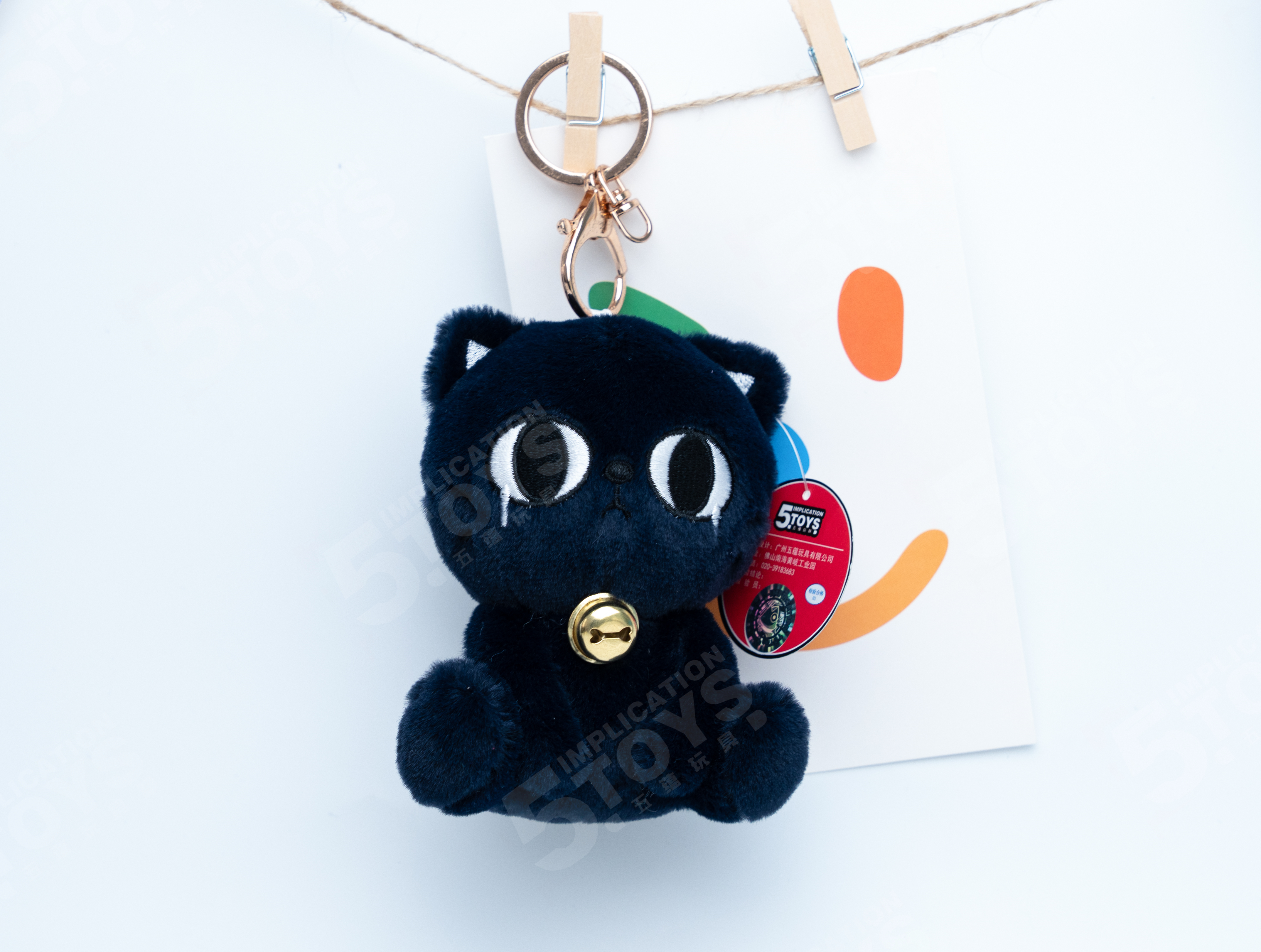
2. Understand the Types of Plush Toy Suppliers
Not all plush toy suppliers operate in the same way. Knowing the difference helps you avoid mismatched expectations.
OEM Plush Toy Manufacturers
These suppliers produce toys based on your design, specifications, and branding. They are a strong fit if you already have a concept, sample reference, or production file and want to manufacture under your own brand.
ODM Plush Toy Suppliers
ODM suppliers usually offer existing styles or semi-custom options that can be adapted with your logo, colors, or packaging. This route can save time if speed matters more than full originality.
Trading Companies
Some suppliers coordinate production through partner factories rather than owning the factory themselves. A good trading company can still be useful, especially if it offers strong communication and sourcing support, but buyers should understand who is actually handling production.
Design-Driven Plush Toy Partners
Some plush toy suppliers provide support with concept development, prototyping, pattern adjustment, and material recommendations. This is especially helpful for startups, creators, and brands that need product development guidance.
Licensed or Authorized Product Suppliers
If your project involves official character merchandise or IP-related products, you need a supplier that understands licensing workflows, compliance, and approval processes.
The best choice depends on your project stage. If you need original custom development, choose a supplier with proven design and sample capabilities. If you need fast turnaround on simpler items, an ODM-style supplier may be more practical.
3. Finding Reliable Channels for Finding Plush Toy Suppliers
A lot of buyers rely on one sourcing channel and stop there. That limits your options. A better approach is to compare suppliers across several reliable channels.
Trade Shows
Industry trade shows remain one of the best ways to evaluate plush toy suppliers in person. You can inspect sample quality, discuss custom projects face to face, and get a sense of how professional the team is.
B2B Platforms
Online B2B marketplaces can help you build a shortlist quickly. They are useful for comparing categories, pricing ranges, and supplier profiles, but they should be treated as a first screening step, not the final decision.
Google Search
Google is still one of the most effective ways to find established plush toy suppliers with independent websites. A supplier with a clear website, product categories, factory information, and detailed service pages often gives buyers a better view of its real capabilities.
Industry Referrals
Referrals from brand owners, importers, sourcing agents, or packaging partners can save time. A supplier that performs well in real projects is usually more trustworthy than one that only looks polished online.
Social Media and Content Platforms
Some plush toy suppliers actively share new products, production updates, trade show appearances, and case studies through social channels. This can help buyers see whether the company is active, consistent, and engaged with the market.
Do not choose a supplier based on one good-looking page alone. Build a shortlist, compare several candidates, and verify the details carefully.
4. Assess Plush Toy Suppliers Keenly
Once you have a few options, start evaluating them in a more serious way.This stage matters more than many buyers think. A supplier may look strong at first glance but still be the wrong fit for your product, quality level, or order structure.
Review Product Quality
Check stitching, fabric texture, embroidery precision, symmetry, stuffing consistency, label application, and packaging details. Photos help, but real samples tell you much more.
Ask About Production Experience
Experience should match your product category. A supplier that mainly makes promotional giveaways may not be the best fit for premium collectibles. A factory that handles simple plush styles may struggle with complex shapes or mixed materials.
Evaluate Communication
Good communication is often a sign of strong project management. Notice whether the supplier answers clearly, responds on time, and explains issues honestly. Delayed or vague replies during the quoting stage often become bigger problems during production.
Check Development Capability
Ask how the supplier handles sampling, revisions, fabric sourcing, embroidery files, and construction adjustments. If the development stage feels disorganized, bulk production may become even riskier.
Verify Compliance Awareness
If you sell into regulated markets, the supplier should understand product safety expectations, material standards, and testing requirements. That does not mean every project needs the same certification path, but the supplier should be able to discuss the basics professionally.
Look at Business Stability
A stable plush toy supplier should have a clear company identity, a defined product range, and a consistent market presence. Buyers should also check whether the supplier shows evidence of quality systems, customer support, and production discipline.
5. Price Negotiation, Payment Methods and MOQs
Price matters, but price alone can be misleading. A lower quote may exclude packaging, testing, shipping support, mold or embroidery setup, or sample revision costs. Always compare quotations based on the full project scope.
When Negotiating Price
Ask what is included:
- sample charges
- mold or development fees
- packaging
- labeling
- carton requirements
- testing support
- shipping terms
A professional quote should be clear enough that both sides understand the commercial terms.
Understand MOQ Clearly
MOQ is not only about quantity. It is often tied to fabric purchasing, embroidery setup, color count, packaging type, and production efficiency. Some plush toy suppliers are more flexible with development orders, while others focus on higher-volume production.
Discuss Payment Terms Early
Buyers should confirm:
- sample payment terms
- deposit percentage
- balance payment timing
- accepted payment methods
- currency
- bank charges
A common mistake is agreeing on the unit price first and only discussing payment terms later. Those details affect cash flow and risk just as much as the quoted price.
A healthy negotiation is not about pushing the supplier to the lowest number possible. It is about finding a workable structure that protects quality, delivery, and long-term cooperation.
6. Confirm the Production Time and Logistics
Lead time should never be treated as a rough estimate. For plush toy projects, the timeline usually includes sampling, revisions, material preparation, bulk production, inspection, packing, and shipping. If you skip over these steps in early discussions, delivery problems become more likely later.
Ask for a Real Timeline
A useful production timeline should cover:
- sample development
- sample revision rounds
- bulk material preparation
- production schedule
- final inspection
- shipping arrangement
Check Shipping Options
Discuss whether the supplier can support air freight, sea freight, express delivery, or coordinated shipping through your forwarder. Also confirm carton sizes, master carton labeling, and packaging requirements if you sell through retail or e-commerce channels.
Leave Buffer Time
Even strong suppliers may face delays from material issues, schedule congestion, or approval changes. Smart buyers leave a buffer instead of planning around the most optimistic date.
A reliable plush toy supplier should be able to explain the timeline with reasonable detail rather than giving a vague promise.
7. Quality Control and Inspection
Quality control is one of the biggest factors in plush toy sourcing success. A product that looks good in the approved sample can still go wrong in bulk production if there is no control system in place. That is why buyers should ask about inspection procedures before the order is confirmed.
Ask About In-Process Quality Control
Find out how the supplier checks:
- fabric consistency
- embroidery accuracy
- cutting and sewing
- stuffing balance
- accessory attachment
- label placement
- packaging quality
Clarify Testing and Safety Requirements
If your target market requires testing, communicate that early. Testing cannot be treated as a last-minute add-on after production is finished.
Strong quality control is not only about avoiding defects. It protects your brand reputation and reduces the cost of complaints, returns, and replacement orders.
8. Effective After Sales Support
A supplier relationship does not end when the goods ship. After-sales support matters because real business always involves follow-up questions, replenishment orders, shipping document checks, and occasional problem-solving.
- timely response to quality issues
- support with replacement or compensation discussion when needed
- help with shipping documents
- assistance with reorder planning
- continued communication after delivery
How to Choose 5 Toys as Your Plush Toy Partner
Founded in 2021, 5 Toys focuses on original designer toys and collectibles, with product offerings that include official authorized IP plush toys and customized plush toys.
For buyers seeking a plush toy partner, 5 Toys may be a strong option when design support, product consistency, and quality standards are important. It highlights more than 20 years of design experience and places clear emphasis on unique product development, rigorous quality control, and the use of non-toxic materials. It also references standards such as OEKO-TEX Standard 100, EN71, and ASTM F963, which adds confidence for buyers who value safety, customization, and dependable manufacturing support.
If you are looking for a plush toy supplier for custom development or long-term cooperation, 5 Toys is ready to discuss your project and help turn your ideas into market-ready products.
Conclusion
Start by defining your product needs. Learn the difference between supplier types. Use reliable sourcing channels. Assess each candidate carefully. Confirm pricing, MOQ, payment terms, timelines, logistics, quality control, and after-sales support. Then look beyond the first order and evaluate whether the supplier can grow with your business. The right plush toy supplier should not only make your product. It should help you reduce risk, improve consistency, and support long-term brand development.
FAQ
Q1. How do I know if a plush toy supplier is reliable?
A reliable supplier usually shows clear communication, consistent sample quality, realistic lead times, organized quoting, and a solid understanding of production and quality control. Asking for samples and reviewing how the team handles details is often the fastest way to judge reliability.
Q2. What is the best way to compare plush toy suppliers?
Compare them based on total value, not just price. Look at product quality, customization ability, MOQ, communication speed, production schedule, testing awareness, and after-sales support. A slightly higher quote can be the better choice if it reduces risk and improves consistency.
Q3. Should I choose a factory or a trading company?
That depends on your project. A direct factory may offer stronger control over production, while a good trading company may offer smoother communication and broader sourcing support. The key is understanding who is actually managing production and quality.
Q4. Why is MOQ important when choosing plush toy suppliers?
MOQ affects your launch budget, inventory risk, and production flexibility. It also reflects how the supplier organizes materials and manufacturing efficiency. Buyers should confirm MOQ at the product level, not just at the company level.
Q5. How important is sample development in plush toy sourcing?
It is extremely important. The sample stage helps confirm construction, embroidery, materials, proportions, and overall product feel before bulk production starts. A supplier that handles sampling well is usually easier to work with later.