
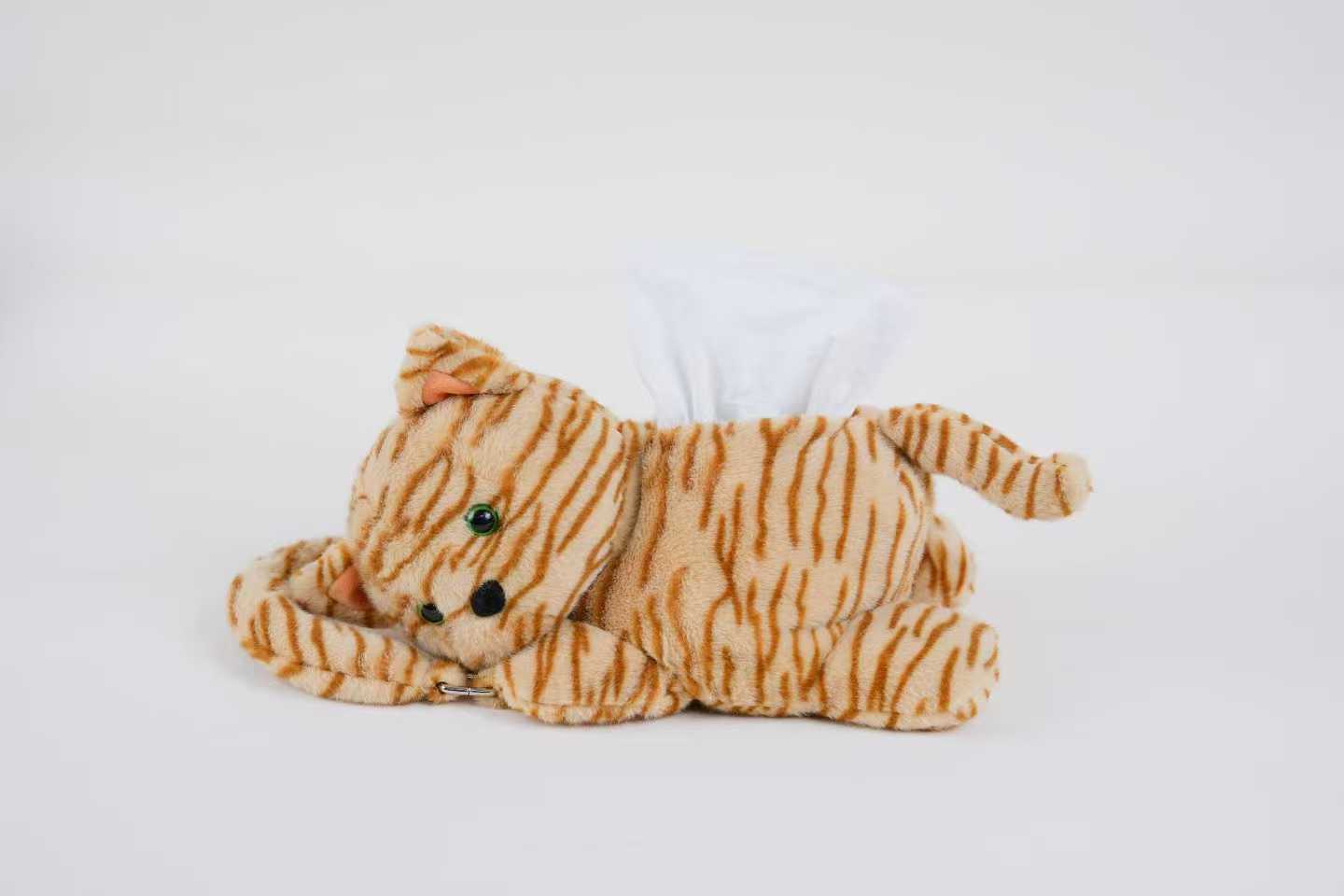
As we enter 2026, the way businesses market their brands is undergoing a profound transformation. With digital advertising costs soaring, more and more companies are turning their attention to physical marketing, particularly using stuffed animals as a core brand promotion tool. Why? Because in the cold, impersonal world of business, nothing bridges the gap between a brand and consumers more instantly than a readily accessible, soft, and adorable plush toy.
Whether on retail shelves, in online marketing campaigns, or at corporate events, plush toys have demonstrated unparalleled popularity as brand merchandise and high-value gifts. From creating unique brand IPs to planning promotional campaigns that ignite social media, custom stuffed animals are exerting a remarkable influence across various business sectors.
We see retail brands using them to increase average order value, theme parks using them as core profit-generating products, game companies using them to monetize virtual characters, and custom plush toys being a frequent purchase in various marketing campaigns and corporate gifts. This is why professional custom plush toy manufacturers have become indispensable strategic partners for many top brands in the global supply chain.
What Are Custom Stuffed Animals?
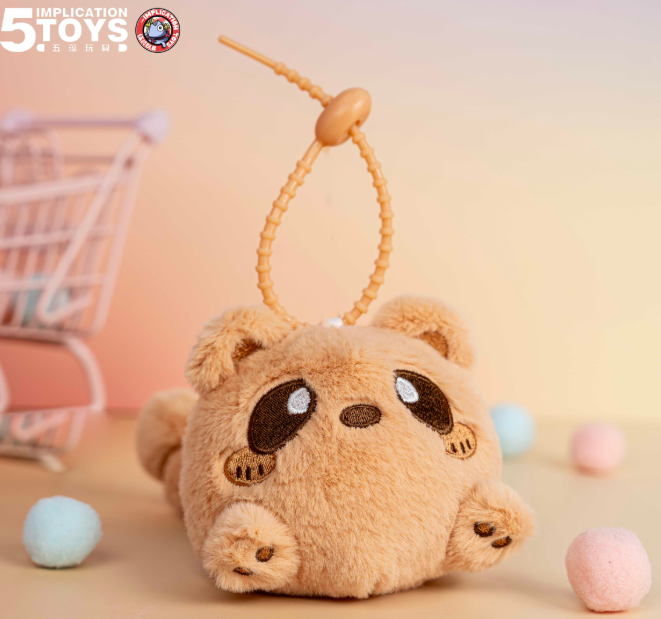
Before delving into their commercial value, we need to define them clearly. Custom stuffed animals are plush toys completely tailored from scratch based on a company's specific business needs, brand image, and budget.
Unlike off-the-shelf toys purchased in bulk on the market, customization services give brands 100% control. You can precisely customize every detail:
- Design: A perfect transformation from 2D sketches to 3D models.
- Size: From keychains to life-size giant plush toys.
- Fabric: From plush and flannel to eco-friendly recycled fabrics.
- Logo: Presented through intricate embroidery, screen printing, or custom labels.
- Packaging: Custom-designed boxes or eco-friendly bags featuring the company's visual identity (VI).
In short, many companies have successfully created memorable brand IPs and corporate mascots by transforming cold, impersonal logos into warm, custom plush toys.
Benefits of Custom Stuffed Animals for Business
Investing in custom plush toys is not just a passing fad; it can bring tangible returns on investment (ROI) to businesses.
Brand Promotion This is the most direct benefit. Owning a dedicated corporate mascot or brand IP toy is like hiring a "24/7 unpaid super spokesperson." They can continuously reinforce the brand image at trade shows, in stores, and online channels.
Customer Engagement Plush toys have a natural affinity for customers. Integrating stuffed animals for business into the customer experience effectively enhances customer interaction, breaks down barriers to business communication, and subtly boosts long-term brand recall.
- Marketing Campaigns: In a highly competitive market, novel promotional gifts are a powerful tool for attracting traffic. Limited-edition plush toys are excellent lead magnets, not only increasing engagement but also easily generating spontaneous sharing and dissemination on social media.
- Corporate Gifts: In the B2B sector or internal corporate management, high-quality plush toys are excellent employee and client gifts. They are more personal than traditional customized notebooks or mugs, effectively enhancing employee loyalty and customer engagement.
- Popular Types of Custom Plush Toys for Businesses: Different business objectives dictate the type of plush toy chosen. Here are some of the most popular customization categories for businesses:
- Mascot Plush Toys: Corporate mascot toys. These bring a flat corporate image to life, suitable for rebranding, anniversary celebrations, or large industry trade shows.
- Promotional Plush Toys: Promotional gifts. Typically moderately sized, with strict cost control, suitable for buy-one-get-one-free promotions, points redemption, or as hidden items in product blind boxes.
- Cartoon & Character Plush Toys: IP-licensed toys. Primarily targeting animation, film, and game companies, requiring extremely high detail and complex manufacturing processes.
- Holiday Plush Toys: Holiday gifts. Limited edition plush toys developed for specific occasions such as Christmas, Valentine's Day, or Mid-Autumn Festival, with strong holiday marketing attributes.
- Corporate Brand Plush Toys: Brand merchandise. As an extension of the brand's lifestyle, sold directly to the fan base, becoming a new profit growth point for companies.
To help you better understand these categories, please refer to the following English analysis table:
After understanding the commercial value, what is the professional customization process? Creating a perfect custom stuffed animal usually involves the following five rigorous steps:
Step 1: Concept and Design. It all begins with the visual assets provided by the company. This could be the company's logo, an existing mascot design, or a completely new character artwork. Professional factory designers will assess the feasibility of transforming these materials into physical toys.
Step 2: Prototype Sample. This is the most crucial step. Pattern makers will perform 3D cutting to create the initial sample. At this stage, the company needs to repeatedly confirm the sample's shape, color, and overall appearance until it perfectly matches the brand image.
Step 3: Material Selection. After sample confirmation, the final selection of fabrics and accessories is made. Common materials include various textures of plush fabric, soft and highly elastic cotton stuffing (environmentally friendly PP cotton filling), and the increasingly popular eco-friendly materials.
Step 4: Mass Production. The mass production process begins. This involves large-scale cutting, sewing, stuffing, and finishing (hand shaping and accessory sewing). Modern factories have achieved a high degree of process management at this stage
Step 5: Quality Inspection and Packaging. After production, all products must undergo rigorous quality inspection, including tensile testing and passing through a needle detector. Subsequently, customized packaging is carried out to ensure that the final custom plush toy fully complies with international export standards and commercial retail requirements.
How to Choose the Right Custom Plush Toy Manufacturer
The success or failure of a project largely depends on your choice of supplier. When evaluating custom plush toy manufacturers, be sure to consider the following core indicators:
Manufacturing Experience: Look for manufacturers with many years of experience in the industry and rich B2B OEM manufacturing experience. Experienced factories can quickly anticipate structural risks in the design and provide optimized cost control solutions.
Customization Capability: Assess the strength of their prototyping team. The ability to handle orders ranging from simple cushions to complex mecha beast plush toys is a direct reflection of the factory's capabilities.
Safety Certifications: Corporate procurement must not compromise on compliance. Ensure that the manufacturer can provide proof that the product has passed authoritative tests such as ASTM (USA), CPSIA (US Consumer Product Safety Improvement Act), and EN71 (European Toy Safety Standard).
MOQ Requirements: Minimum Order Quantity directly affects the company's capital commitment. High-quality manufacturers often offer relatively flexible MOQ policies tailored to a company's actual needs.
Production Capacity: Examine the factory's monthly production capacity. This determines whether the supply chain can replenish stock promptly when the company faces sudden marketing campaigns or peak season sales surges.
Why Many Brands Work With Custom Plush Toy Manufacturers?
In a globalized business landscape, why are top brands in Europe and America keen to collaborate directly with professional custom plush toy manufacturers (especially Chinese manufacturers)? The reasons are very practical and direct.
First, there's the unparalleled mature supply chain. From raw yarn to special buttons, all materials can be sourced in a very short time. Second, there's a significant production cost advantage; economies of scale allow for both high quality and low cost. Furthermore, professional toy design teams can provide rapid prototyping capabilities, helping brands quickly seize market share. Finally, these large manufacturers possess extensive global export experience, handling all the complexities from customs clearance to logistics, allowing companies to focus on their core marketing efforts.
Cost Factors When Customizing Stuffed Animals Business decisions inevitably involve budget assessment. The cost of custom-stuffed animals is not static; it is dynamically influenced by the following five factors:
- Toy Size: Size is the foundation of cost. Larger toys not only require more fabric and stuffing but also significantly increase volumetric weight costs for cross-border logistics.
- Fabric Material: The fabric determines the toy's texture and base price. Basic short plush offers good value, while specialty fabrics (such as long plush, chameleon fabric, or organic eco-friendly cotton) are much more expensive.
- Embroidery and Printing: Corporate logos and complex facial expressions often require embroidery or screen printing. Higher stitch density and more colors in the embroidery require longer machine time, naturally increasing costs.
- Accessories: Zippers, metal fasteners, sound chips, or custom miniature clothing—each additional accessory increases the total Bill of Materials (BOM) cost.
- Order Quantity (MOQ): This reflects economies of scale. The larger the order volume, the lower the cost of raw materials for the factory, and the lower the pattern-making fee and machine start-up cost per toy.
Below is a detailed comparison table of cost factors:
As a business, mastering the following techniques can significantly improve efficiency when collaborating with factories on design:
- Keep the Design Simple: Simplicity is the essence of industrial production. Overly complex lines and subtle color blocks are difficult to perfectly represent in plush toys. Simple, rounded shapes are often more appealing to the general public and have lower production costs.
- Choose Soft and Safe Materials: Touch is the soul of plush toys. Always choose fabrics that are soft and gentle on the skin. For children's products, absolute material safety (non-toxic, non-shedding) is paramount.
- Focus on Brand Identity: Toys must be highly recognizable. Subtly incorporate your brand's primary colors, specific patterns, or iconic expressions so consumers can instantly identify it as your brand's exclusive.
- Consider Target Audience: Clearly define your target audience before designing. VIP gifts for corporate executives require high-quality materials and a subtly luxurious design; while merchandise for gamers needs high IP fidelity and a cool, trendy feel.
The most important point about working with professional custom plush toy manufacturers is to involve their engineers very early in the design process. They can tell you which designs are physically unfeasible, thus avoiding the waste of time and effort spent on repeated modifications later.
Future Trends in Custom Plush Toys for Business
Looking ahead to 2026, the commercial application of plush toys is showing exciting new trends:
The future market will be dominated by eco-friendly plush toys, with the use of sustainable materials becoming a crucial part of companies fulfilling their ESG responsibilities. Meanwhile, smart interactive plush toys incorporating NFC or Bluetooth technology are blurring the lines between physical and digital. Furthermore, personalized plush toys made possible by flexible supply chains, and branded mascot toys with even greater cross-industry reach, will bring even greater commercial returns to businesses.
FAQ
What is the MOQ for custom stuffed animals?
Typically, the standard MOQ for B2B OEM manufacturing is between 500 and 1000 pieces. However, to support new project testing for brands, some reputable factories can offer more flexible small-batch trial orders.
How long does it take to manufacture custom plush toys?
From concept art to sample confirmation, it typically takes 7-15 days. The mass production cycle depends on the order size, generally around 25-45 days. It is recommended that companies plan their procurement at least two months in advance.
Are custom-stuffed animals safe for children?
Absolutely. As long as you choose a reputable factory and explicitly require the product to pass the mandatory physical and chemical safety tests of the corresponding country (such as EN71 in the EU or ASTM in the US), you can be assured of safety.
Can businesses create their own plush toy designs?
Of course. Even if you only have a rough idea or sketch, a professional factory design team can assist you in transforming it into industry-standard designs and ultimately creating a prototype.
Where can I find reliable custom plush toy manufacturers?
You can attend professional international toy exhibitions or directly search for source manufacturers with well-established websites, rich overseas experience, and transparent factory qualifications on search engines like Google.
Conclusion
Undoubtedly, custom stuffed animals have transcended the realm of traditional toys, becoming a crucial strategic tool for corporate brand marketing and public relations campaigns in 2026. Whether driving online traffic or boosting offline engagement, well-designed plush toys can subtly yet powerfully enhance brand exposure and deepen customer interaction.
Working closely with an experienced and technically proficient custom plush toy manufacturer is the only shortcut to ensuring final product quality, controlling budgets, and perfectly embodying your brand philosophy. It is foreseeable that, with the continued development of emotional marketing, the market demand for stuffed animals for business will maintain strong growth momentum in the coming years.
Is your brand ready to create its own blockbuster mascot? When designing your first corporate plush toy, is your biggest bottleneck currently finding design inspiration or finding a reliable supply chain? Tell me, and I'd be happy to offer you professional advice.