
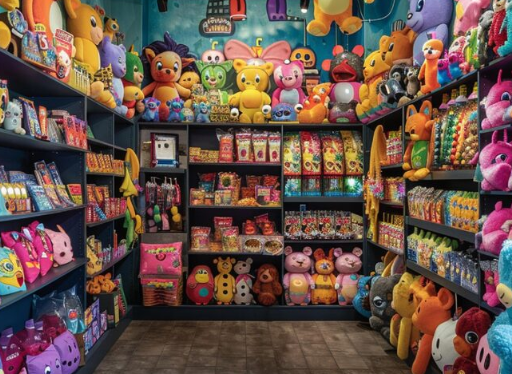
Plush toys are experiencing unprecedented global popularity in 2026 because they have evolved from children’s toys into emotional comfort objects, collectible lifestyle products, and custom brand assets.
The growth is driven by five core forces:
- Emotional wellness and stress relief demand
- The rise of “kidult” adult consumers
- Social media and viral aesthetics (TikTok / Instagram)
- Custom plush toy manufacturing and brand personalization
- Eco-friendly and sustainable production requirements
In simple terms: Plush toys are popular in 2026 because they combine emotional comfort, nostalgia, customization, and modern lifestyle identity.
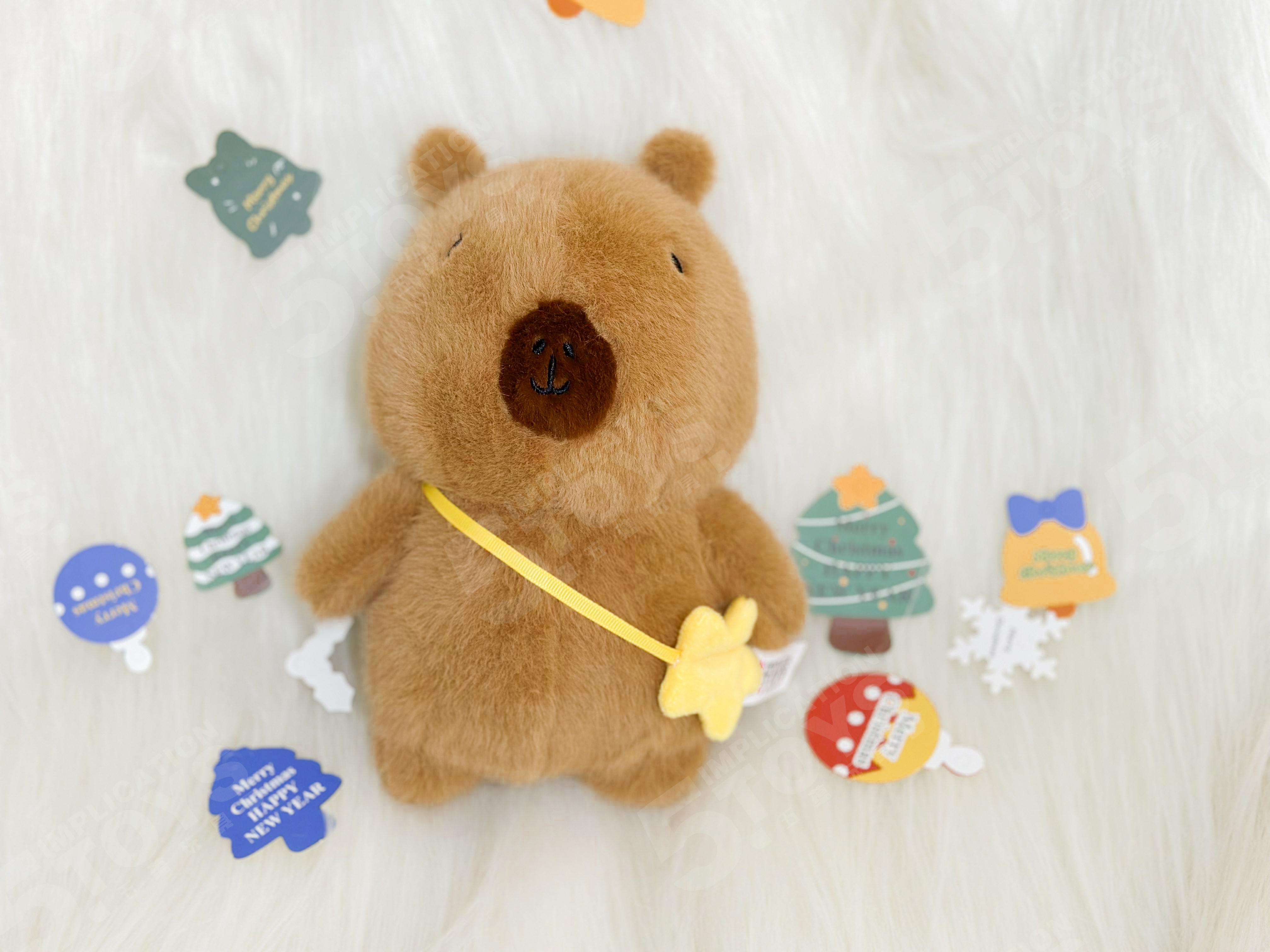
What Drives the Popularity of Plush Toys in 2026?
Plush toys have become one of the most culturally versatile product categories in 2026, and their popularity is not driven by a single reason. Instead, it is the result of several overlapping forces that reshape how consumers interact with soft toys, how brands design them, and how manufacturers bring them to market.
From an industry perspective, the strongest-performing plush products today tend to share a common foundation: they are not just “cute objects,” but emotional, aesthetic, and functional lifestyle items that fit into modern living habits.
1. Emotional Comfort Has Become a Daily Consumption Need
One of the most important drivers behind plush toy demand is the growing need for emotional grounding in everyday life.
Consumers are increasingly drawn to products that provide:
- tactile comfort during stress or fatigue
- a sense of emotional stability in digital-heavy environments
- simple, non-digital relaxation experiences
Unlike traditional toys, modern plush toys are often positioned as comfort companions rather than play objects. This shift explains why demand is expanding across age groups, especially among adults who use plush items as desk companions, sleep aids, or stress-relief objects.
From a manufacturing perspective, this has changed design priorities: softness, proportion, and texture are now as important as visual appearance.
2. The Rise of “Kidult” Consumption Is Reshaping Product Design
A major structural shift in the market is the growing influence of adult buyers who purchase plush toys for themselves rather than for children.
This group typically values:
- nostalgic emotional connection
- collectible character design
- limited-edition or series-based products
- higher perceived quality and detail
Unlike child-focused demand, kidult consumption is less about function and more about identity and emotional expression.
For manufacturers, this means plush toys are no longer designed only for durability and playability, they are also designed for:
- display value
- storytelling appeal
- collectible differentiation
This is one of the reasons why character-driven and series-based plush products are expanding so rapidly.
3. Social and Visual Culture Has Turned Plush Toys into Lifestyle Objects
Plush toys are increasingly integrated into modern visual culture, especially in spaces influenced by social sharing behavior.
They now appear in:
- home interior styling
- office desk setups
- travel accessories (keychains and mini plush)
- photography and content creation backgrounds
This has led to a subtle but important shift: plush toys are no longer hidden in storage or children’s rooms, they are intentionally displayed as part of personal style.
As a result, compact formats such as mini plush, bag charms, and themed collectibles are growing faster than traditional large plush toys.
This trend directly influences factory development, pushing manufacturers to design products that are not only soft, but also visually “camera-friendly.”
4. Customization Has Become a Core Growth Engine in the Industry
Another major driver is the rapid expansion of customized plush production.
Brands and buyers increasingly request:
- brand mascot plush toys
- promotional gift plush items
- IP adaptation products
- personalized or small-batch designs
This shift transforms plush toys from standardized consumer goods into brand communication tools.
From a production standpoint, customization requires more flexible manufacturing systems:
- faster sampling cycles
- adaptable material sourcing
- scalable small-batch production capability
At Wuyun Toy, this evolution is especially significant because it connects design flexibility directly with market responsiveness, allowing brands to react quickly to trends and seasonal demand.
5. Sustainability Is No Longer Optional in Buying Decisions
Material transparency and environmental responsibility are now core expectations in many markets.
Common requirements include:
- recycled polyester fiber filling
- organic or safer textile options
- reduced chemical processing
- eco-conscious packaging
However, sustainability is not just a branding choice—it also affects production structure.
In practical manufacturing terms, eco-friendly materials often require:
- stricter sourcing standards
- more controlled production processes
- longer lead times for material preparation
Despite these challenges, sustainable plush toys tend to have stronger perceived value in retail environments, especially in premium and export markets.
Industry Perspective: Plush Toys Are Becoming Multi-Layered Products
From a manufacturing viewpoint, the most important shift in 2026 is that plush toys now operate on three simultaneous value layers:
- Emotional layer → comfort, nostalgia, stress relief
- Lifestyle layer → décor, fashion, identity
- Commercial layer → branding, licensing, marketing
This multi-layer structure explains why the category continues to expand even in highly competitive retail environments.
For manufacturers like Wuyun Toy, success is no longer just about producing soft toys, it is about designing products that fit emotional demand, visual culture, and commercial strategy at the same time.
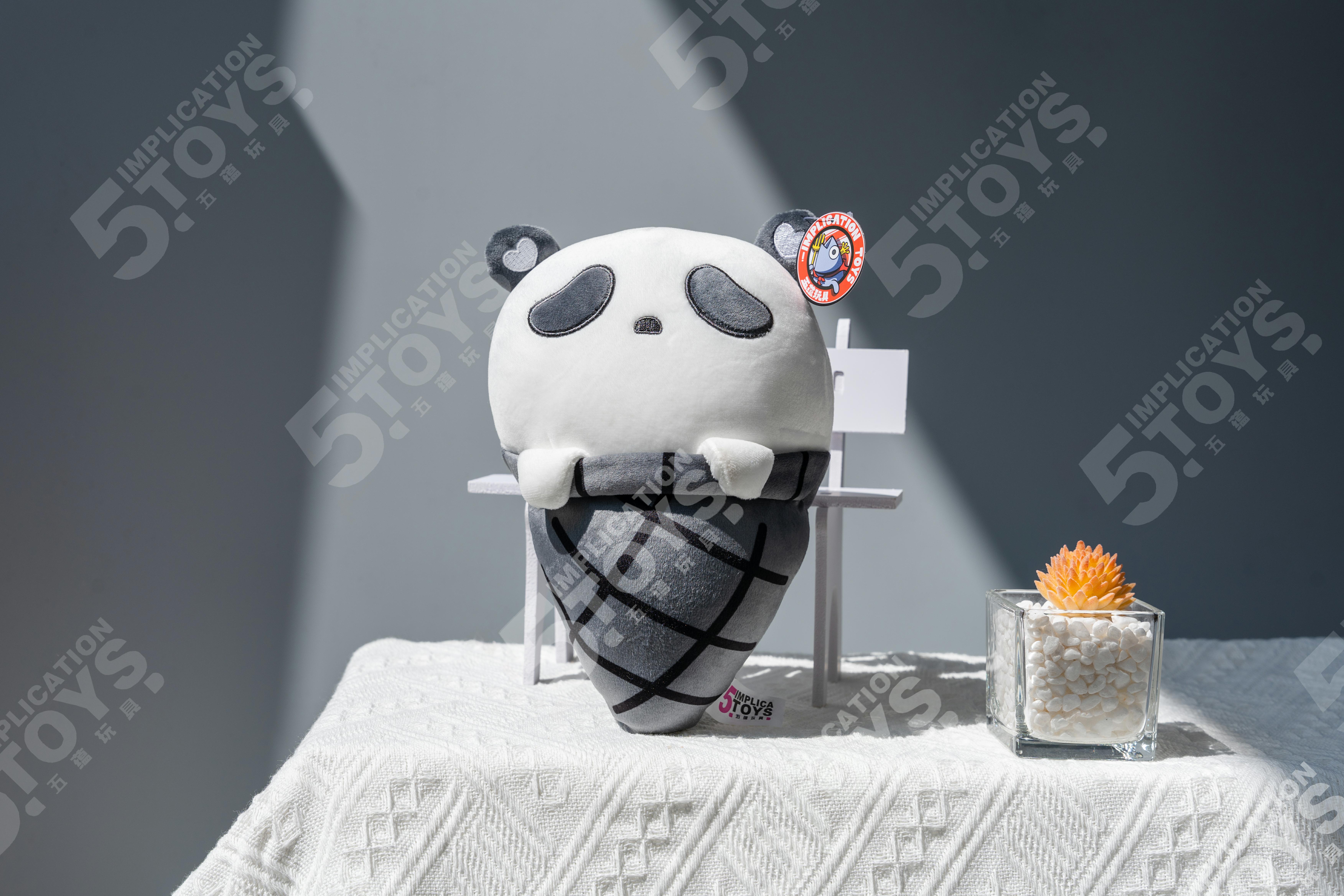
2026 Plush Toy Trends: What Is Really Driving the Market Forward
In 2026, plush toy trends are no longer defined only by “cute design” or seasonal demand. The category has evolved into a multi-layer product space where emotional needs, lifestyle aesthetics, and manufacturing flexibility all play an important role in shaping what sells.
What stands out most this year is that successful plush products are not simply following trends—they are responding to how people live, work, and seek comfort in everyday environments.
From a manufacturing and sourcing perspective, several clear directions are shaping product development and buyer decisions.
1. Comfort-Driven Design Is Replacing Pure Aesthetic Appeal
One of the most noticeable changes in 2026 is that softness and emotional comfort now matter as much as visual design.
Consumers are increasingly choosing plush toys that:
- feel comforting to hold
- create a sense of relaxation in daily life
- work as emotional companions rather than decorations
This has pushed manufacturers to rethink materials, filling density, and overall tactile experience. In many cases, a simple design with high comfort value performs better than complex characters with less sensory appeal.
At Wuyun Toy, we see this shift clearly in sampling requests: buyers often prioritize “touch experience” before design complexity.
2. Collectible and Series-Based Plush Designs Continue to Grow
Another strong direction is the rise of collectible plush toys built around series concepts rather than single products.
Instead of standalone items, brands are developing:
- character sets
- themed collections
- limited edition releases
- blind-box style series
This approach increases repeat purchasing behavior and strengthens emotional attachment between users and products.
From a production standpoint, series-based designs also allow factories to standardize components while changing visual identities, improving efficiency without losing creativity.
3. Mini Plush and Portable Designs Are Expanding Fast
While large plush toys remain popular, there is a clear shift toward smaller, portable formats.
Mini plush products are increasingly used as:
- bag charms
- keychain accessories
- desk companions
- travel-friendly collectibles
This trend is closely tied to modern lifestyle habits, where consumers prefer items that can be carried, displayed, or shared socially.
For manufacturers, this category requires higher precision in stitching and proportion control, even though the product size is smaller.
4. Sustainability Has Become a Baseline Requirement, Not a Premium Feature
Eco-friendly materials are no longer considered a niche selling point. In many markets, they are now expected as part of standard product development.
Common requirements include:
- recycled polyester filling
- safer textile materials
- low-impact dye processes
- environmentally conscious packaging
However, sustainability also introduces real production considerations. Material sourcing, color consistency, and cost control all become more complex when switching to eco-certified inputs.
In practice, buyers are now balancing two priorities: sustainability compliance and production scalability.
5. Customization Is Becoming the Core Growth Engine
One of the most important structural shifts in the plush toy industry is the rapid expansion of customization.
Instead of only buying ready-made products, more brands are developing:
- private-label plush toys
- corporate mascot designs
- promotional gift plush
- IP-based character adaptations
This transforms plush toys into a branding and marketing tool rather than just a retail product.
From a factory perspective, customization requires faster sampling cycles, flexible material sourcing, and strong communication between design and production teams. Manufacturers with these capabilities are becoming preferred partners for global buyers.
6. Plush Toys Are Moving Into Lifestyle and Display Spaces
Plush toys are increasingly used beyond traditional toy categories. They now appear in:
- home décor setups
- office desks
- social media content backgrounds
- lifestyle and gift retail spaces
This shift is changing design language. Products are now created not only for play, but also for visual harmony in real environments.
Neutral tones, simplified shapes, and “camera-friendly” aesthetics are becoming more common in new product development.
Industry Insight: Trends Are Now Driven by Use-Case, Not Just Design
The most important change in 2026 is that plush toy trends are no longer purely design-led. Instead, they are shaped by how the product will be used in real life:
- emotional comfort at home
- aesthetic value in social sharing
- collectibility for long-term engagement
- branding value for businesses
For manufacturers like Wuyun Toys, this means successful product development is no longer just about making “cute toys,” but about creating soft products that fit emotional, commercial, and lifestyle needs at the same time.
Conclusion
Plush toys are booming in 2026 because they have evolved into emotional comfort tools, lifestyle accessories, and collectible products. Driven by adult “kidult” buyers, social media aesthetics, customization, and sustainability trends, plush toys now serve both personal and brand purposes. They offer stress relief, nostalgia, and identity expression, making them relevant across all ages and markets. This shift turns plush toys into emotional, visual, and commercial products.
FAQ
Q1: Why are plush toys so popular in 2026 compared to previous years?
A: Plush toys are more popular in 2026 because they have evolved beyond children’s toys into emotional wellness products, lifestyle accessories, and collectible items. Adults now make up a large share of buyers, and many use plush toys for stress relief, sleep comfort, and emotional grounding in a highly digital and fast-paced world. Social media trends and limited-edition releases have also turned plush toys into viral and highly desirable collectibles.
Q2: What is the “kidult” trend and how does it affect plush toy sales?
A: The “kidult” trend refers to adults (usually 18–40+) purchasing toys for themselves rather than for children. This group is one of the fastest-growing segments in the toy industry. They tend to prefer high-quality materials, nostalgic designs, and collectible series, which pushes brands to create more premium and emotionally driven plush products instead of simple children’s toys.
Q3: Why do adults buy plush toys for emotional comfort?
A: Many adults use plush toys as a form of stress relief and emotional support. Soft textures and familiar shapes can help reduce anxiety, improve relaxation, and create a sense of comfort during work or sleep. In 2026, plush toys are often positioned as “comfort companions” rather than play objects, especially in urban and high-stress lifestyles.
Q4: How does social media influence plush toy popularity?
A: Platforms like TikTok, Instagram, and Pinterest play a major role in driving plush toy demand. Viral trends, unboxing videos, and aesthetic room setups make plush toys part of visual lifestyle culture. Limited-edition releases and blind-box collectibles also create urgency and repeat buying behavior, making certain plush characters trend globally within days.