
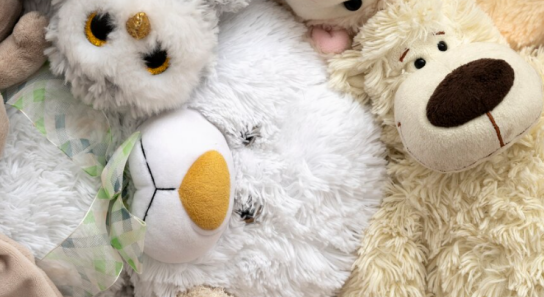
The quality of a plush toy is often judged by its appearance first. Fabric texture, embroidery, facial expression, color matching, and overall shape all influence how customers perceive the product. However, the internal stuffing plays an equally important role in the final experience.
Stuffing determines how a plush toy feels in the hand, how well it maintains its shape, how durable it is after repeated use, and whether it meets the expectations of the target market. A well-made plush toy should not only look appealing but also feel soft, balanced, and carefully constructed.
For brands, retailers, IP owners, and gift companies, choosing the right stuffing is an important product development decision. It affects product quality, safety, production cost, shipping weight, customer satisfaction, and long-term brand perception.
So, what is the best stuffing for plush toys?
There is no universal answer. The best stuffing depends on the toy’s design, target age group, softness requirements, safety standards, budget, and intended use. A promotional plush toy, a baby comfort toy, a premium collectible plush, and a weighted plush product may all require different filling solutions.
What Is Plush Toy Stuffing?
Plush toy stuffing is the material placed inside a plush toy to give it shape, softness, volume, and support. It turns a flat fabric shell into a huggable 3D product.
Good stuffing does more than simply fill empty space. It affects:
- How soft the plush toy feels
- How well the toy keeps its shape
- Whether it can sit, stand, or hold a pose
- How it performs after squeezing or washing
- How heavy or lightweight the product feels
- Whether it is suitable for children
- How much the finished toy costs
For custom plush toys, stuffing is part of the product design. A small keychain plush, an 8-inch collectible character, a baby-safe plush, and a large mascot toy may all need different stuffing solutions.
Why Stuffing Matters in Plush Toy Manufacturing
Stuffing is one of the most important internal components of a plush toy. Although it is not visible from the outside, it directly influences the toy’s comfort, structure, safety, durability, and overall product value. For brands developing custom plush toys, choosing the right filling material is an essential part of product engineering, not simply a matter of softness.
Product Hand Feel and Customer Perception
The hand feel of a plush toy is one of the first quality signals customers notice. A soft, smooth, and resilient filling helps the product feel comfortable and well made, while uneven or low-quality stuffing may make the toy feel flat, stiff, or inexpensive. For retail plush toys, collectible plush, and gift products, this first physical impression can strongly influence customer satisfaction and repeat purchases.
Structural Support and Shape Accuracy
Stuffing plays a key role in maintaining the intended shape of a plush toy. Character plush toys, mascot plush, and licensed IP plush often require accurate proportions, facial expression, and body structure. Proper filling density helps support the head, body, arms, legs, ears, tail, and other details, allowing the final product to stay closer to the original design. Without the right internal support, a plush toy may collapse, look unbalanced, or lose its character identity.
Safety Performance and Age Suitability
For children’s plush toys, stuffing selection must be considered together with product safety. The filling should be clean, odor-free, and appropriate for the intended age group and destination market. If weighted materials such as beans, pellets, or beads are used, they should be securely enclosed and carefully positioned. Safe stuffing design helps reduce risks related to leakage, small parts, and unsuitable internal materials.
Durability and Long-Term Shape Retention
A plush toy may be hugged, squeezed, displayed, packed, shipped, and washed throughout its life cycle. High-quality stuffing helps the toy recover after compression and maintain a fuller shape over time. Poor filling may clump, flatten, or shift inside the product, leading to an uneven appearance and reduced perceived value. For brands selling through e-commerce or retail channels, long-term durability is important for customer reviews and brand reputation.
Production Consistency and Quality Control
In mass production, stuffing affects more than one sample; it affects every unit in the order. Consistent filling material and controlled stuffing density help ensure that each plush toy has the same size, softness, balance, and appearance. This is especially important for bulk OEM orders, licensed character products, and retail plush lines where buyers expect stable quality across the full production run.
Cost Efficiency and Shipping Considerations
Stuffing also influences the total cost of a plush toy. Material price, filling weight, labor time, compression recovery, packaging method, and shipping volume all contribute to the final cost. A lower-priced filling may not always reduce overall expenses if it causes quality problems or poor customer feedback. The best stuffing choice should balance softness, structure, durability, safety, and budget instead of focusing only on material cost.
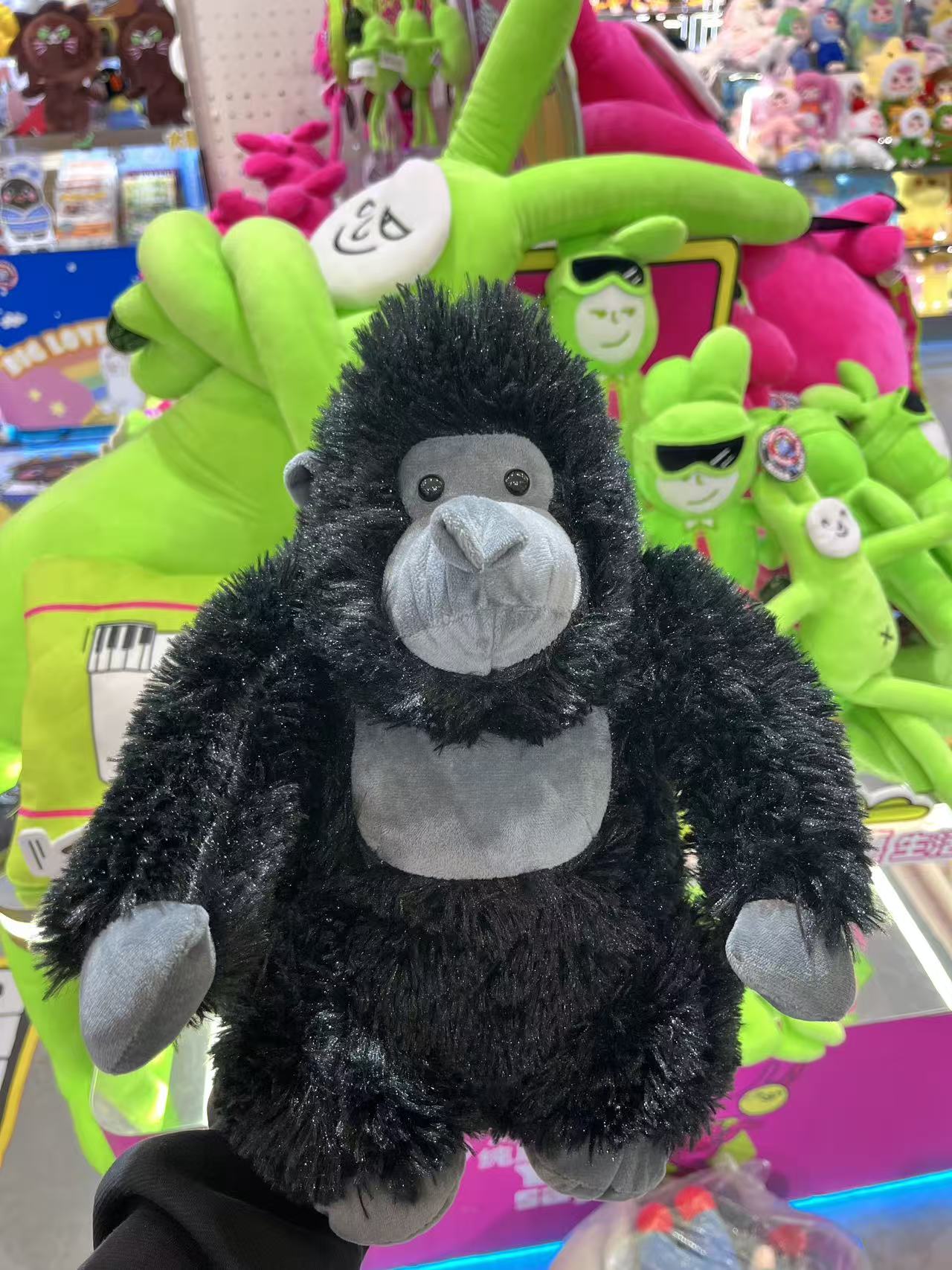
8 Inches Customized Plush Toys
Common Types of Stuffing for Plush Toys
Different plush products require different filling materials. Below are the most widely used stuffing options in plush toy manufacturing.
1. Polyester Fiber / PP Cotton
Best for: Custom plush toys, retail plush toys, promotional plush toys, mascot plush, character plush, and bulk OEM orders.
Polyester fiber, commonly referred to as PP cotton in plush toy manufacturing, is one of the most popular stuffing materials. It is soft, lightweight, cost-efficient, and suitable for a wide range of plush toy designs.
For many custom plush toy projects, PP cotton provides the best overall balance between softness, resilience, production stability, and price.
Advantages
PP cotton is widely used because it is:
- Soft and fluffy
- Lightweight
- Cost-effective
- Easy to source
- Suitable for many product sizes
- Appropriate for large-scale production
- Available in different quality grades
High-quality PP cotton offers good resilience and a smooth feel. Lower-grade PP cotton may lose volume faster or create uneven areas inside the toy.
Limitations
Standard PP cotton is a synthetic material. For brands with strong sustainability requirements, recycled polyester filling may be a better alternative. In addition, low-quality PP cotton may flatten over time, especially in products that are frequently squeezed or compressed.
Recommended Use
PP cotton is usually the most practical starting point for custom plush toys. It is suitable for plush keychains, collectible plush toys, brand mascots, anime character plush, promotional gifts, and general retail plush products.
2. High-Elastic Polyester Filling
Best for: Premium plush toys, character plush toys, collectible plush, and products that require better shape retention.
High-elastic polyester filling is a higher-grade synthetic fiber designed to provide stronger rebound and better shape recovery. It gives plush toys a fuller and more refined hand feel.
Advantages
- Better resilience than standard PP cotton
- Helps maintain product shape
- Suitable for detailed character designs
- Creates a more premium feel
- Works well for retail and branded merchandise
Limitations
High-elastic polyester filling is usually more expensive than standard PP cotton. It is still a synthetic material unless made from recycled polyester.
Recommended Use
This material is suitable for brands that want to improve product quality without significantly increasing the production budget. It is often a good option for mid-range and premium custom plush products.
3. Down Cotton / Down-Like Fiber
Best for: Premium plush toys, soft plush pillows, high-end gift plush, and collectible plush products.
In the plush toy industry, “down cotton” often refers to a synthetic filling designed to imitate the light, fluffy feel of natural down. It does not always mean real feather down.
Advantages
- Very soft and lightweight
- Comfortable for hugging
- Creates a premium hand feel
- Suitable for soft pillows and luxury-style plush products
Limitations
Down-like fiber usually costs more than standard PP cotton. It may not provide enough structure for plush toys with highly detailed shapes or firm posture requirements.
Recommended Use
Down-like fiber is a strong choice when softness is the main priority. It is suitable for premium plush pillows, luxury gift items, and soft collectible toys.
4. Natural Cotton
Best for: Natural-style plush toys, baby-friendly plush products, boutique toys, and eco-conscious product lines.
Natural cotton is a traditional filling material with a soft and breathable texture. It is often used in products that emphasize natural materials and a gentle touch.
Advantages
- Natural material
- Soft and breathable
- Suitable for eco-conscious branding
- Appropriate for simple plush designs
Limitations
Natural cotton generally has less rebound than polyester fiber. It can absorb moisture and may clump after washing. It is also usually more expensive than standard PP cotton.
Recommended Use
Natural cotton is suitable for brands that want a natural product concept. However, it may not be the best choice for complex character plush toys that require strong shape recovery.
5. Organic Cotton
Best for: Premium baby plush toys, eco-friendly plush collections, boutique gifts, and high-end natural toy lines.
Organic cotton offers a stronger sustainability story than conventional cotton. It is often selected by brands targeting parents, premium retailers, and environmentally conscious consumers.
Advantages
- Strong eco-friendly appeal
- Natural and soft
- Suitable for premium product positioning
- Appropriate for baby and toddler product concepts
Limitations
Organic cotton is more expensive than many synthetic fillings. It also has limited rebound compared with polyester fiber. Reliable sourcing and documentation are important when making organic or sustainability claims.
Recommended Use
Organic cotton is best for brands that can support a higher retail price and want to highlight natural materials. It is less suitable for low-cost promotional plush toys or designs requiring strong structural support.
6. Recycled Polyester Fiber
Best for: Eco-friendly plush toys, corporate gifts, sustainable merchandise, and brands selling to environmentally conscious markets.
Recycled polyester fiber is made from recycled plastic materials and processed into soft fiber filling. It provides a practical balance between performance and sustainability.
Advantages
- More sustainable than virgin polyester
- Similar feel to regular polyester filling
- Suitable for bulk plush toy production
- Appropriate for eco-conscious branding
- Works well for custom plush and promotional plush products
Limitations
Recycled polyester fiber may cost more than standard PP cotton. Quality can vary depending on the supplier, so material consistency and documentation should be reviewed before production.
Recommended Use
For brands that want an eco-friendly plush toy while maintaining a familiar soft feel, recycled polyester fiber is one of the most practical options.
7. Memory Foam
Best for: Plush pillows, cushions, support products, and functional plush items.
Memory foam is not commonly used as the main stuffing for standard plush toys, but it can be valuable for certain product categories. It provides slow rebound and firm support.
Advantages
- Strong support
- Comfortable for pillows and cushions
- Premium product feel
- Suitable for functional plush products
Limitations
Memory foam is heavier and more expensive than fiber filling. It is also less breathable and more difficult to wash and dry. It is not ideal for small character plush toys or soft stuffed animals.
Recommended Use
Memory foam is better suited for plush pillows, neck pillows, cushions, and support-style plush products rather than regular stuffed animals.
8. Foam Particles
Best for: Soft cushions, beanbag-style plush, large casual plush products, and novelty items.
Foam particles are lightweight and flexible. They can create a relaxed, squishy feel in certain plush products.
Advantages
- Lightweight
- Soft and flexible
- Suitable for large soft products
- Creates a casual cushion-like feel
Limitations
Foam particles may compress over time and can shift inside the toy. They are not always suitable for detailed character designs or premium plush positioning.
Recommended Use
Foam particles are generally better for cushions and casual plush products than for highly detailed character toys.
9. Beans Filling / Plastic Pellets
Best for: Weighted plush toys, sitting plush toys, plush keychains, arms, legs, and products that require balance.
Beans filling or plastic pellets are used to add weight and stability. They are usually not used as the main filling for the entire toy. Instead, they are placed in selected areas such as the bottom, feet, hands, or body base.
Advantages
- Adds weight and balance
- Helps plush toys sit properly
- Improves stability
- Creates a weighted feel
- Useful for small plush keychains and collectible plush toys
Limitations
Beans filling is not soft by itself. It can create texture or sound inside the toy. For children’s products, it should be securely enclosed in an inner pouch and used only when appropriate for the product design and target age group.
Recommended Use
Beans filling works best when combined with PP cotton. For example, a sitting plush toy may use PP cotton in the head and body, while sealed beans filling is placed in the bottom to help the toy sit steadily.
Plush Toy Stuffing Comparison Table
| Stuffing Material | Softness | Shape Retention | Washability | Cost Level | Best For |
|---|---|---|---|---|---|
| PP Cotton / Polyester Fiber | High | Medium to High | Good | Low to Medium | Most plush toys |
| High-Elastic Polyester | High | High | Good | Medium | Retail and character plush |
| Down-Like Fiber | Very High | Medium | Medium | Medium to High | Premium soft plush |
| Natural Cotton | Medium to High | Medium | Medium to Low | Medium to High | Natural-style plush |
| Organic Cotton | Medium to High | Medium | Medium to Low | High | Eco and baby plush |
| Recycled Polyester | High | Medium to High | Good | Medium | Sustainable plush toys |
| Memory Foam | Medium | High | Low to Medium | High | Plush pillows and cushions |
| Foam Particles | Medium | Medium | Medium | Low to Medium | Large soft products |
| Beans / Pellets | Low | High for weight balance | Good if sealed | Low to Medium | Weighted and sitting plush |
Best Stuffing for Different Types of Plush Toys
The most suitable filling depends on the type of plush toy being produced.
Best Stuffing for Custom Character Plush Toys
Custom character plush toys usually need to match a specific design, mascot, illustration, or IP character. The toy should be soft, but it must also hold its proportions.
Recommended stuffing:
- High-quality PP cotton
- High-elastic polyester fiber
- PP cotton with beans filling in selected areas
The head may require firmer filling to support facial features, while the body can remain softer for a better hugging experience. Small parts such as ears, tails, horns, wings, and arms require careful hand filling to avoid empty corners or uneven shapes.
Best Stuffing for Baby Plush Toys
Baby plush toys require careful material and structural decisions. Softness is important, but safety should always be the priority.
Recommended stuffing:
- Hypoallergenic polyester filling
- Organic cotton
- Certified recycled polyester fiber
For baby products, simple construction, soft materials, secure stitching, and embroidered facial details are often preferred. Loose pellets or hard internal components should generally be avoided unless the product has been properly designed and tested for its intended use.
Best Stuffing for Promotional Plush Toys
Promotional plush toys often need to balance cost, appearance, and production efficiency.
Recommended stuffing:
- Standard PP cotton
- Polyester fiber filling
These materials are practical for bulk orders, event giveaways, brand mascots, seasonal campaigns, and corporate gifts. For small items such as plush keychains, the filling should be light but firm enough to maintain the product shape.
Best Stuffing for Premium Plush Toys
Premium plush toys require a more refined hand feel and stronger shelf appeal.
Recommended stuffing:
- High-elastic polyester fiber
- Down-like fiber
- Recycled premium polyester
- Organic cotton for natural product lines
For premium products, the stuffing should feel smooth, full, and consistent. It should not create lumps, hollow areas, or an overly firm texture. Fabric quality, embroidery, pattern accuracy, packaging, and quality control should also match the premium positioning.
Best Stuffing for Weighted Plush Toys
Weighted plush toys are designed to provide a heavier and more comforting feel.
Recommended stuffing:
- PP cotton plus sealed beans filling
- PP cotton plus plastic pellets
- PP cotton plus glass beads, depending on product requirements
The placement of weighted materials is important. Pellets or beads should be sealed inside an inner pouch and positioned carefully so the toy feels balanced. For children’s products, safety testing and age labeling should be considered during development.
Best Stuffing for Large Plush Toys
Large plush toys need filling that is soft, lightweight, and cost-efficient. If the filling is too heavy, shipping costs can increase significantly.
Recommended stuffing:
- PP cotton
- Hollow polyester fiber
- Recycled polyester fiber
Large plush toys should also be evaluated for compression recovery, especially when compressed packaging is used for shipping.
How to Avoid Lumpy Plush Toy Stuffing
Uneven or lumpy filling is a common quality issue in plush toy production. It may result from poor filling material, incorrect stuffing technique, uneven density, or washing-related problems.
- Use Reliable Filling Material: Low-grade filling may contain knots, inconsistent fibers, or excessive dust. Better PP cotton or high-elastic polyester filling usually produces a smoother result.
- Fill Gradually: Stuffing should be added in smaller amounts rather than inserted as one large clump. This helps the filling distribute more evenly throughout the toy.
- Adjust Density by Section: Different areas of a plush toy need different levels of support. A single-density approach can make some parts too firm while leaving other areas underfilled.
- Check Symmetry During Production: Left and right arms, legs, ears, and facial areas should be checked carefully. Symmetry is especially important for character plush toys.
- Complete Final Hand Shaping: After filling and sewing, the plush toy should be shaped by hand to smooth out uneven areas and improve the final appearance.
- Inspect Before Packaging: Quality control should review stuffing density, seam pressure, loose threads, surface cleanliness, and shape consistency before the product is packed.
Safety Considerations for Plush Toy Stuffing
For plush toys, safety involves both external and internal materials. The filling should be selected and used according to the product’s target age group and destination market.
Brands should consider:
- Clean and odor-free filling
- Non-toxic material selection
- Secure stitching
- No loose or leaking stuffing
- Safe inner pouches for beans or pellets
- Suitable construction for children’s products
- Appropriate testing for the target market
Depending on where the toy will be sold, buyers may request standards such as EN71, ASTM F963, CPSIA, or other market-specific testing.
For baby plush toys and products for young children, embroidered eyes are often preferred over plastic eyes because they reduce the risk of detachable small parts.
A professional plush toy manufacturer should help review material selection, structure, stitching, and testing requirements before mass production.
How to Choose a Plush Toy Supplier
After selecting the right stuffing material, the next step is choosing a supplier that can turn the design into a consistent, market-ready product. A reliable plush toy supplier should support the full process from material selection to sample development and bulk production.
When comparing suppliers, consider the following factors:
Experience With Custom Plush Products:
A qualified supplier should understand different plush toy categories, such as custom plush toys, collectible plush, promotional plush, mascot plush, and licensed character plush. Each product type requires different pattern-making, stuffing density, and finishing details.
Material and Stuffing Guidance:
The supplier should be able to recommend suitable materials based on your design, budget, target age group, and market requirements. This may include PP cotton, down-like filling, beans filling, recycled polyester, or other filling options.
Safety and Quality Control:
For plush toys sold in international markets, safety should be considered from the beginning. A professional supplier should pay attention to material safety, stitching strength, filling leakage, small-part risks, and testing requirements such as EN71, ASTM F963, CPSIA, or CPC.
Sampling and Production Consistency:
A good sample is only the first step. The supplier should also be able to maintain consistent softness, shape, size, embroidery, sewing quality, and stuffing density during bulk production.
Customization and Packaging Support:
For brand projects, packaging, labels, hangtags, and product presentation are also important. A supplier with custom packaging and branding support can help make the finished product more retail-ready.
Why Work With Wuyun Toys
Wuyun Toys is a custom plush toy supplier based in Guangzhou, with production resources across Guangdong. The company focuses on customized plush toys, original design plush toys, collectibles, and official authorized IP plush toys.
With experience in plush toy design, material selection, sample development, safety testing, and bulk production, Wuyun Toys helps brands turn illustrations, mascots, and IP characters into finished plush products. The company also emphasizes safe materials, quality assurance, eco-friendly options, and recyclable packaging, making it a suitable partner for brands that need reliable custom plush toy manufacturing.
Conclusion
Choosing the right stuffing is essential to the feel, shape, safety, durability, and cost of a plush toy. This guide compares common filling materials such as PP cotton, high-elastic polyester, down-like fiber, organic cotton, recycled polyester, memory foam, foam particles, and beans filling. It also explains how different toy types, budgets, safety standards, and supplier capabilities affect the final stuffing choice for custom plush production.
FAQ
Q1. What is the best stuffing for most plush toys?
A: For most plush toys, high-quality PP cotton or polyester fiber is the most practical choice. It offers a good balance of softness, resilience, shape retention, production stability, and cost control.
Q2. Is PP cotton safe for children’s plush toys?
A: PP cotton can be suitable for children’s plush toys when it is clean, odor-free, non-toxic, and used with proper stitching and construction. For international markets, brands should also consider testing requirements such as EN71, ASTM F963, CPSIA, or CPC.
Q3. Why does plush toy stuffing become lumpy?
A: Stuffing may become lumpy because of low-quality filling material, uneven stuffing, incorrect filling density, poor washing performance, or long-term compression. Using better fiber and controlling the stuffing process can reduce this issue.
Q4. What stuffing should be used for baby plush toys?
A: Baby plush toys should use soft, clean, and hypoallergenic filling. Common options include hypoallergenic polyester fiber, organic cotton, or certified recycled polyester. Loose pellets or hard internal parts should generally be avoided unless the design is properly tested.
Q5. What is the best filling for weighted plush toys?
A: Weighted plush toys usually use PP cotton combined with sealed beans filling, plastic pellets, or glass beads. The weighted material should be placed inside a secure inner pouch to help prevent leakage.