
Plush toys have a much longer story than many people imagine. Long before modern stuffed animals, teddy bears, mascot plush, and collectible plushies became popular, children played with simple handmade dolls sewn from cloth and filled with soft materials such as rags, straw, or plant fiber.
Today, plush toys are no longer only children’s companions. They are also retail products, licensed character merchandise, brand mascots, promotional gifts, emotional comfort items, and collectible products for fans of all ages.
For buyers, retailers, brand owners, and IP creators, understanding the history of plush toys is more than a fun story. It helps explain why softness, safety, character design, emotional connection, and reliable manufacturing still matter in every successful plush product.
What Are Plush Toys?
Plush toys are soft toys made with fabric and flexible stuffing. They are often designed as animals, characters, dolls, mascots, fantasy creatures, food shapes, cartoon figures, or branded promotional items.
They are also known as:
- Stuffed animals
- Plushies
- Soft toys
- Plush dolls
- Stuffed toys
- Custom plush toys
- Mascot plush toys
For buyers, the term “plush toys” is especially useful because it covers a wide product category, including animal plush, character plush, mini plush keychains, custom plush dolls, IP plush toys, and wholesale plush products.
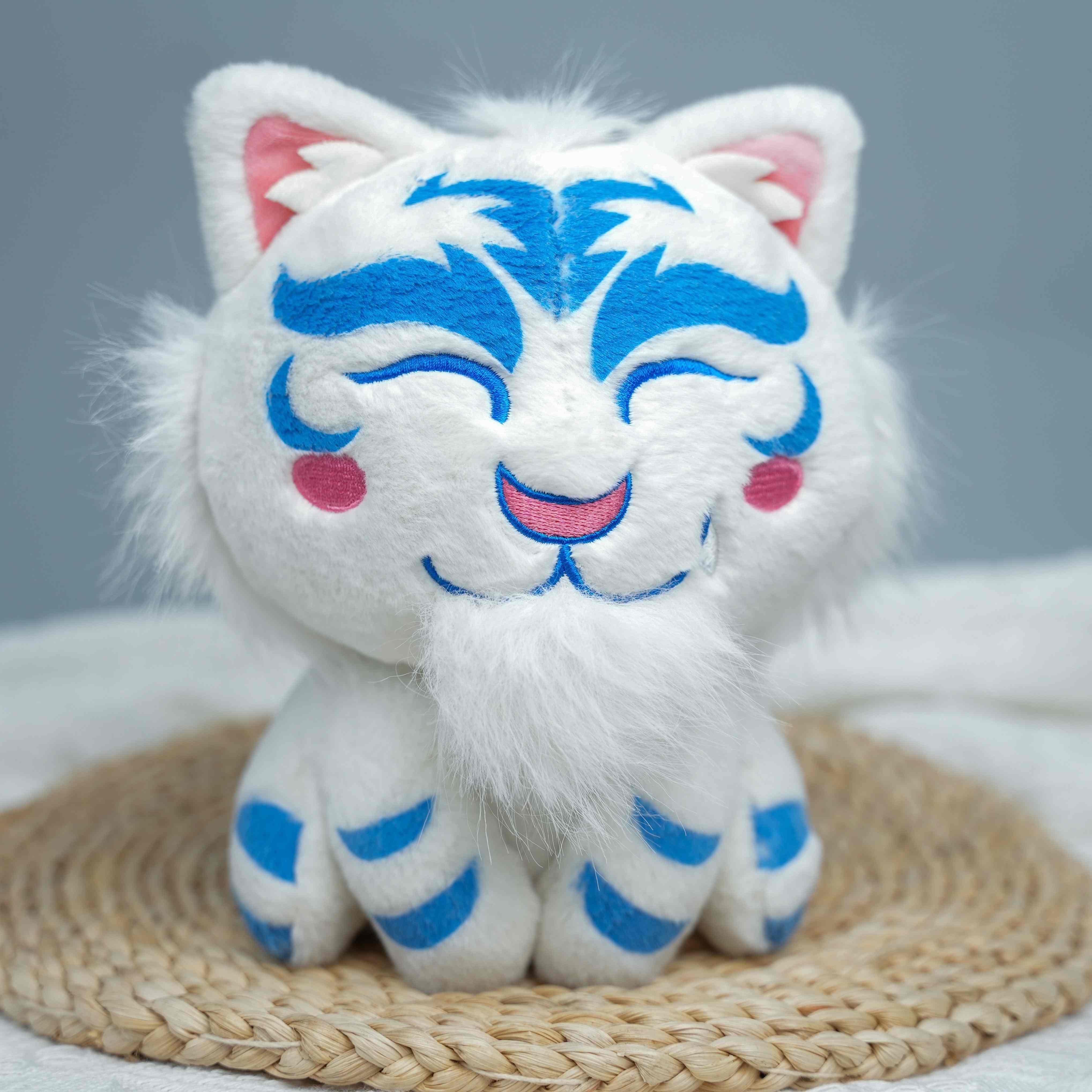
A Quick Timeline of Plush Toy History
The history of plush toys shows how simple handmade comfort objects became one of the world’s most loved product categories. From ancient rag dolls to teddy bears, collectible plushies, licensed characters, and custom plush toys, every stage of development reflects changes in materials, manufacturing, storytelling, and consumer demand.
| Period |
|
Why It Matters for Modern Plush Toy Buyers |
| Ancient Times | Children played with simple rag dolls and fabric toys filled with soft materials such as rags, straw, or plant fibers. | The earliest soft toys show that comfort, softness, and emotional attachment have always been central to plush toy appeal. |
| Renaissance Europe | Decorative fabric animals and handmade soft toys appeared among wealthy families. | Plush-like toys were once luxury handmade items, proving that craftsmanship and premium materials can increase perceived value. |
| Late 1800s | Margarete Steiff created a small felt elephant that became popular as a children’s toy | This marked an important step toward commercial plush toy manufacturing and shows how a simple idea can become a successful product. |
| Early 1900s | The Teddy Bear became a global icon after the Theodore Roosevelt story and the development of early bear designs in the United States and Germany. | Storytelling, emotional connection, and recognizable character design can turn a plush toy into a long-lasting bestseller. |
| Early to Mid-20th Century | Sewing technology, textile production, and factory workflows made plush toys easier to produce at scale. | Standardized patterns and larger production runs helped plush toys become more affordable and widely available. |
| Post-War Era | Synthetic fabrics and polyester stuffing became widely used in plush toy production. | Modern materials made plush toys softer, lighter, easier to clean, more cost-effective, and suitable for mass-market retail. |
| 1980s–1990s | Media characters, cartoon merchandise, and collectible plush toys became major trends. Beanie-style plush products helped create a strong collector culture. | Character identity, series design, hang tags, names, and limited releases can encourage repeat purchases and stronger retail demand. |
| 2000s | Licensed plush toys, online retail, and branded character merchandise expanded rapidly. | Plush toys became an important product category for IP owners, animation brands, game companies, sports teams, and promotional campaigns. |
| 2010s–2020s | Social media, kawaii design, squishy plush, adult collectors, and custom plush manufacturing reshaped the market. | Buyers now need plush toys that are not only cute, but also brandable, photo-friendly, collectible, safe, and customizable. |
| Today | Plush toys are used for retail, gifts, events, claw machines, brand mascots, licensed IP, fan merchandise, and private-label collections. | Modern plush toy success depends on design accuracy, material selection, safety testing, packaging, MOQ, quality control, and reliable manufacturing. |
From Handmade Toys to Emotional Products
Early plush-like toys were made by hand, often from leftover fabric or natural filling materials. They were simple, but they served the same emotional purpose as modern plush toys: they gave children something soft to hold, carry, and care for.
This emotional connection is still one of the strongest reasons plush toys sell today. Whether the product is a teddy bear, animal plush, mascot plush, or custom character plush, buyers should focus on how the toy feels in the customer’s hands and what emotion it creates.
From the Teddy Bear to Global Plush Toy Demand
The Teddy Bear changed the history of plush toys because it combined a memorable story with a friendly design. It was not just a stuffed bear; it became a symbol of warmth, kindness, childhood, and gifting.
For modern brands, this is an important lesson. A plush toy becomes more valuable when it has a clear identity. Giving a plush character a name, personality, story card, hang tag, or collection theme can help customers remember it and buy more from the same series.
From Mass Production to Custom Plush Manufacturing
As plush toy production became more industrialized, manufacturers could produce softer, safer, and more affordable toys at scale. Synthetic fabrics, polyester stuffing, embroidery technology, and improved sewing methods made plush toys suitable for global retail and wholesale markets.
Today, buyers are no longer limited to standard teddy bears or animal plush. They can create custom plush toys based on a mascot, brand logo, cartoon character, game IP, event theme, or original design. This shift has made plush toys a powerful tool for branding, fan engagement, retail sales, and promotional marketing.
What This History Means for Plush Toy Buyers
The evolution of plush toys gives buyers several practical lessons:
- Softness and comfort remain the foundation of plush toy appeal.
- A strong character story can increase emotional value and collectibility.
- Simple, recognizable shapes usually work better than overly complicated designs.
- Material selection affects price, touch, durability, and product positioning.
- Safety standards and quality control are essential for children’s plush toys.
- Customization helps brands create plush toys that are unique, memorable, and market-ready.
From ancient rag dolls to modern custom plush toys, the core appeal has remained the same: people love soft products that feel personal, comforting, and meaningful. For retailers, IP owners, event organizers, and brand buyers, this history provides a clear guide for creating plush toys that customers want to keep, collect, and share.
How the History of Plush Toys Helps Modern Buyers
The evolution of plush toys gives buyers several practical lessons.
1. Softness Creates Emotional Value:
From ancient rag dolls to modern plushies, softness has always been central. Buyers should prioritize fabric hand-feel, stuffing quality, and hug comfort.
2. Storytelling Increases Sales:
The Teddy Bear became iconic partly because of its story. Beanie-style plush products became collectible because each toy felt like a character. Modern brands should give plush toys names, backgrounds, themes, or emotional meaning.
3. Design Must Be Simple Enough to Recognize:
A plush toy should be easy to identify from its shape. Complicated artwork may need adjustment when converted into 3D fabric form.
4. Safety Builds Trust:
For children’s products, safety is not optional. Buyers should consider age grading, small parts, stitching strength, filling safety, chemical restrictions, labels, and market-specific testing.
5. Customization Makes Plush Toys More Commercial:
A custom plush can turn a brand mascot, character, logo, or event concept into a physical product that customers can hold, display, collect, and share.
How Custom Plush Toys Are Made
Custom plush toys are usually made through a clear process: design review, material selection, sampling, sample approval, bulk production, quality control, and shipping. For buyers, knowing these steps helps reduce mistakes, control cost, and make sure the final plush toys match the approved sample.
1. Share Your Design
Send your sketch, mascot, logo, character image, or reference photo to the manufacturer. To get a more accurate quote, include the size, order quantity, target market, age group, packaging needs, and delivery deadline.
If the design is based on a brand, animation, game, or licensed character, confirm that you have the right to produce it before sampling.
2. Confirm Materials and Details
The manufacturer will help turn your flat design into a plush toy that can actually be sewn and filled. Some tiny details may need to be simplified, and embroidery may be recommended instead of small plastic parts, especially for children’s plush toys.
| Item | Common Choices |
|---|---|
| Fabric | Short plush, long plush, minky, velboa, faux fur |
| Filling | PP cotton, polyester fiberfill, pellets |
| Face details | Embroidery, printing, plastic eyes |
| Branding | Woven labels, hang tags, logo embroidery |
| Packaging | Polybag, gift box, display box, custom carton |
3. Make the First Sample
After the design and materials are confirmed, the factory makes a sample. This allows you to check the real size, shape, fabric, color, softness, stitching, embroidery, labels, and overall look.
When reviewing the sample, ask:
- Does it look like the original character?
- Is the face expression correct?
- Is the fabric soft enough?
- Is the size right?
- Are the seams neat and strong?
- Does the toy sit, stand, or hang properly?
4. Revise and Approve the Sample
Sample revisions are normal. You may need to adjust the eyes, mouth, body shape, stuffing, fabric, embroidery, or accessories.
Once the sample is correct, approve it as the final sample. This approved sample becomes the standard for bulk production.
5. Start Bulk Production
After approval, the factory starts cutting fabric, sewing, stuffing, shaping, cleaning, labeling, and packing. The key goal is consistency: every plush toy should match the approved sample as closely as possible.
6. Check Quality Before Shipping
Before shipment, the plush toys should be inspected for appearance, size, stitching, stuffing, embroidery, accessories, labels, packaging, and cleanliness.
| QC Point | What to Check |
| Appearance | Shape, color, face, and details |
| Sewing | Strong seams and neat stitching |
| Stuffing | Even filling and correct softness |
| Accessories | Secure eyes, clothes, keychains, or parts |
| Labels | Correct brand, warning, and care labels |
| Packaging | Correct bag, box, hang tag, or carton |
For larger wholesale orders, buyers can also arrange third-party inspection before shipment.
7. Pack and Ship
Packaging protects the plush toys and improves product presentation. Common options include polybags, hang tags, gift boxes, display boxes, retail cartons, and custom branded packaging.
If the toys will be sold in stores or online, confirm barcode labels, warning labels, carton marks, and retail packaging before production is finished.
Common Mistakes When Buying Custom Plush Toys
1. Choosing Only the Lowest Price:
Low-cost plush toys may use thinner fabric, weak stitching, uneven stuffing, poor embroidery, or inconsistent shapes. For retail and brand projects, quality directly affects customer trust.
2. Skipping the Sample Stage:
A plush toy is a 3D product. Even good artwork may need multiple sample adjustments before it looks right in fabric.
3. Ignoring the Target Age Group:
A plush toy for adult collectors is different from a plush toy for toddlers. Age grading affects materials, accessories, labels, and safety testing.
4. Forgetting Packaging:
Packaging affects retail presentation, shipping cost, barcode placement, compliance labels, and customer experience.
5. Making the Design Too Complicated:
Small details may disappear when converted into fabric. A good plush design should keep the most recognizable features and simplify details where needed.
6. Not Confirming IP Rights:
If you want to produce character plush based on an existing cartoon, game, celebrity, or brand, you must have the proper authorization or license.
Why Choose Wuyun Toys for Custom Plush Toys?
Wuyun Toys is a Guangzhou-based custom plush toy manufacturer focused on original design, authorized IP plush toys, and fully customized plush products. With an experienced design team, production resources across Guangdong, and a strong focus on material selection, craftsmanship, and quality control, Wuyun Toys helps brands, retailers, licensing partners, and gift buyers turn creative ideas into soft, attractive, and market-ready plush toys.
- Custom Design Support
Wuyun Toys can develop plush toys from sketches, mascots, logos, character artwork, reference photos, or IP designs, helping buyers create products that match their brand identity. - Soft and Skin-Friendly Materials
Plush toys can be made with soft fabrics, comfortable filling, and child-friendly details to create a pleasant touch and huggable feel. - Flexible Product Options
Buyers can choose from 4-inch mini plush toys, 8-inch plush dolls, keychain plush, mascot plush, collectible plush, gift plush, and other custom sizes or styles. - Branding and Packaging Customization
Wuyun Toys supports custom colors, embroidery, labels, hang tags, packaging, and brand details to make plush toys more suitable for retail, events, promotions, and licensed merchandise. - Quality-Focused Production
From fabric selection and sample development to sewing, stuffing, finishing, and final inspection, Wuyun Toys pays attention to product consistency, appearance, softness, and durability.
Conclusion
The history of plush toys shows why they remain popular across generations. From simple handmade rag dolls to teddy bears, collectible plushies, licensed characters, and custom brand mascots, plush toys have always combined softness, comfort, and emotional value. For modern buyers, this history offers a practical lesson: a successful plush toy needs more than a cute design. It also needs safe materials, clear character identity, reliable sampling, consistent production, and careful quality control.
FAQ
Q1. What are plush toys?
A: Plush toys are soft toys made from fabric and stuffing. They are often designed as animals, characters, dolls, mascots, pillows, or branded promotional items. They are also called stuffed animals, plushies, soft toys, or stuffed toys.
Q2. When were plush toys invented?
A: Soft handmade dolls existed in ancient times, but modern commercial plush toys are often linked to the late 19th century, especially when Margarete Steiff created a felt elephant that became popular as a children’s toy.
Q3. Who invented the Teddy Bear?
A: The Teddy Bear became famous in the early 1900s after the Theodore Roosevelt story in the United States. Around the same period, early bear designs were also developed in Germany, helping the teddy bear become a global plush toy icon.
Q4. What are plush toys made of?
A: Most modern plush toys are made with soft outer fabrics such as short plush, long plush, minky, velboa, or faux fur. Common fillings include PP cotton, polyester fiberfill, and sometimes pellets for weighted or bean-style plush toys.
Q5. How are custom plush toys made?
A: Custom plush toys are usually made through design review, material selection, sample making, sample revision, final sample approval, bulk production, quality control, packaging, and shipping.
Q6. How long does it take to make custom plush toys?
A: The timeline depends on design complexity, sample revisions, order quantity, material availability, testing needs, packaging, and shipping method. Simple plush toys are usually faster, while detailed IP plush toys or special packaging projects may need more time.