
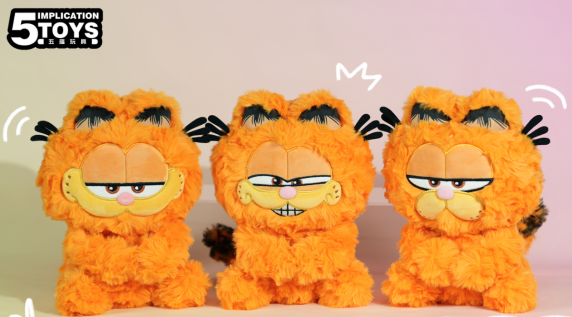
Plush toys are no longer limited to simple children's toys. Today, they are widely used in retail products, brand merchandise, promotional gifts, IP collectibles, baby products, holiday campaigns, and corporate giveaways. A well-made plush toy can carry emotional value, brand recognition, and commercial potential at the same time.
For buyers, choosing the right plush toys is not only about appearance. Material, size, filling, stitching, safety, customization, packaging, budget, and supplier capability all affect the final product. Whether you are sourcing plush toys for retail, events, e-commerce, licensed characters, or private label projects, understanding the basic structure of plush toy production can help you make better purchasing decisions.
What Are Plush Toys?
Plush toys are soft toys made with textile fabrics and filled with cotton, polyester fiber, foam, beans, or other stuffing materials. They are designed to be soft, comfortable, and visually appealing.
Common plush toy products include animal plush toys, cartoon characters, mascot dolls, baby comfort toys, plush pillows, plush keychains, holiday plush gifts, and custom brand merchandise.
Unlike many hard plastic toys, plush toys rely heavily on fabric texture, sewing quality, filling balance, and shape control. A good plush toy should look attractive, feel soft, hold its shape well, and meet the safety requirements of its target market.
Plush Toys vs. Stuffed Animals
Although many people use these terms in a similar way, there is a small difference.
| Term | Meaning | Common Examples |
|---|---|---|
| Plush Toys | A broad category of soft toys made with plush fabrics and filling | Animals, characters, pillows, mascots, keychains |
| Stuffed Animals | A more specific type of plush toy shaped like animals | Teddy bears, dogs, cats, rabbits, dinosaurs |
| Custom Plush Toys | Plush toys made according to a brand, character, logo, or design | IP dolls, brand mascots, promotional toys |
Common Types of Plush Toys
Different plush toy types serve different markets. Before placing an order, it is important to match the product type with your sales channel, target audience, and budget.
| Type of Plush Toy | Best For | Key Features |
|---|---|---|
| Animal Plush Toys | Retail, children’s gifts, zoo or pet brands | Cute appearance, broad market appeal |
| Character Plush Toys | IP brands, games, animation, entertainment | High detail, strong brand identity |
| Plush Keychains | Promotions, souvenirs, small gifts | Small size, low shipping cost |
| Plush Pillows | Home, lifestyle, travel, gifts | Larger size, soft filling, practical use |
| Baby Plush Toys | Infant and toddler products | Soft fabric, safe design, no loose parts |
| Mascot Plush Toys | Corporate branding, schools, sports teams | Custom shape, logo, uniform details |
| Promotional Plush Toys | Events, campaigns, giveaways | Budget-friendly and brandable |
| Holiday Plush Toys | Christmas, Valentine’s Day, Easter, Halloween | Seasonal themes and gift packaging |
Main Materials Used in Plush Toys
Material selection has a major impact on the touch, appearance, safety, durability, and cost of plush toys. The right fabric depends on the product positioning and target users.
Plush Toy Fabric Comparison
| Material | Texture & Appearance | Advantages | Common Use |
|---|---|---|---|
| Short Plush
|
Smooth, neat surface | Cost-effective, easy to sew | Standard plush toys |
| Super Soft Plush
|
Very soft and skin-friendly | Premium hand feel | Gift plush, pillows, baby toys |
| Minky Fabric
|
Soft, smooth, delicate | Popular for baby products | Baby comfort toys, blankets |
| Faux Fur
|
Long-pile, realistic texture | Strong visual effect | Animal plush, premium designs |
| Recycled Polyester Fabric
|
Depends on fabric type | Eco-conscious option | Sustainable plush projects |
Filling Materials
| Filling Material | Features | Suitable Products |
|---|---|---|
| PP Cotton | Soft, lightweight, common | Most standard plush toys |
| Recycled Polyester Filling | Eco-friendly option | Sustainable product lines |
| Foam Filling | Holds shape better | Pillows, structured plush products |
| Memory Foam | Soft with slow rebound | Premium pillows and comfort products |
How Plush Toys Are Made
A plush toy may look simple, but the production process involves several important steps. Each step affects the final shape, quality, and consistency.
1. Design and Product Development: The buyer usually provides a design file, sketch, reference image, brand mascot, 3D drawing, or physical sample. The manufacturer reviews the design and suggests practical production details, including fabric choice, size, structure, embroidery, accessories, and packaging.
2. Pattern Making: Pattern making is one of the most important steps in plush toy production. A flat design must be converted into fabric pieces that can form a three-dimensional toy after sewing and filling. Poor pattern design can lead to distorted shapes, uneven proportions, or unstable bulk production.
3. Fabric Cutting: After the pattern is confirmed, fabric pieces are cut according to the approved template. Different body parts may use different colors, textures, or pile lengths.
4. Sewing and Embroidery: The cut pieces are sewn together. Details such as eyes, mouth, nose, logo, clothing, or decorative patterns may be embroidered or attached during this stage. For children's plush toys, embroidered eyes are often preferred because they reduce the risk of small parts detaching.
5. Filling and Shaping: The toy is filled with cotton, polyester fiber, beans, foam, or other materials. Filling density affects the softness, shape, and hand feel of the product.
6. Quality Inspection: Finished plush toys are checked for appearance, size, stitching, symmetry, cleanliness, filling balance, loose threads, metal contamination, and packaging accuracy.
How to Choose the Right Plush Toys
The best plush toy is not always the most expensive one. It should match your market, budget, target audience, safety requirements, and sales purpose.
Before ordering, confirm the following points:
- Target user: baby, child, adult, collector, or promotional audience
- Product type: animal, character, mascot, pillow, keychain, or gift item
- Size range: small, medium, large, or oversized
- Fabric type: short plush, super soft plush, minky, faux fur, or custom fabric
- Filling: standard PP cotton, recycled filling, beans, or foam
- Safety requirements: market-specific testing or age grade
- Custom details: logo, embroidery, clothes, accessories, sound, scent, or lights
- Packaging: OPP bag, display box, hangtag, barcode, or retail packaging
- Order quantity: sample order, small batch, or bulk production
- Delivery schedule: standard lead time or urgent production
Plush Toys Cost and Budget Guide
The cost of plush toys depends on many factors. Buyers should avoid comparing suppliers only by unit price, because a lower price may mean thinner fabric, less filling, weaker stitching, poor shape control, or limited inspection.
Main Factors That Affect Cost
Size: Larger plush toys require more fabric, filling, labor, packaging space, and shipping volume.
Fabric type: Standard short plush is usually more affordable, while super soft plush, minky, sherpa, faux fur, or recycled fabric may cost more.
Filling material: PP cotton is common and cost-effective. Recycled filling, foam, memory foam, or special filling can increase cost.
Design complexity: A simple animal shape is easier to produce than a character plush toy with clothing, accessories, color blocks, or detailed embroidery.
Embroidery details: Large or complex embroidery takes more time and increases production cost.
Accessories: Hats, clothes, bags, keychains, sound modules, lights, scent packs, or special decorations add material and labor costs.
Packaging: A simple poly bag is more affordable. Custom boxes, display packaging, barcode labels, and retail hangtags increase cost.
Testing requirements: If the product needs EN71, ASTM F963, CPSIA, REACH, or other tests, the overall project cost will be higher.
Order quantity: Higher quantity usually lowers the unit cost because sampling, setup, and material preparation costs can be spread across more units.
Lead time: Urgent orders may require special scheduling, faster material sourcing, or overtime labor.
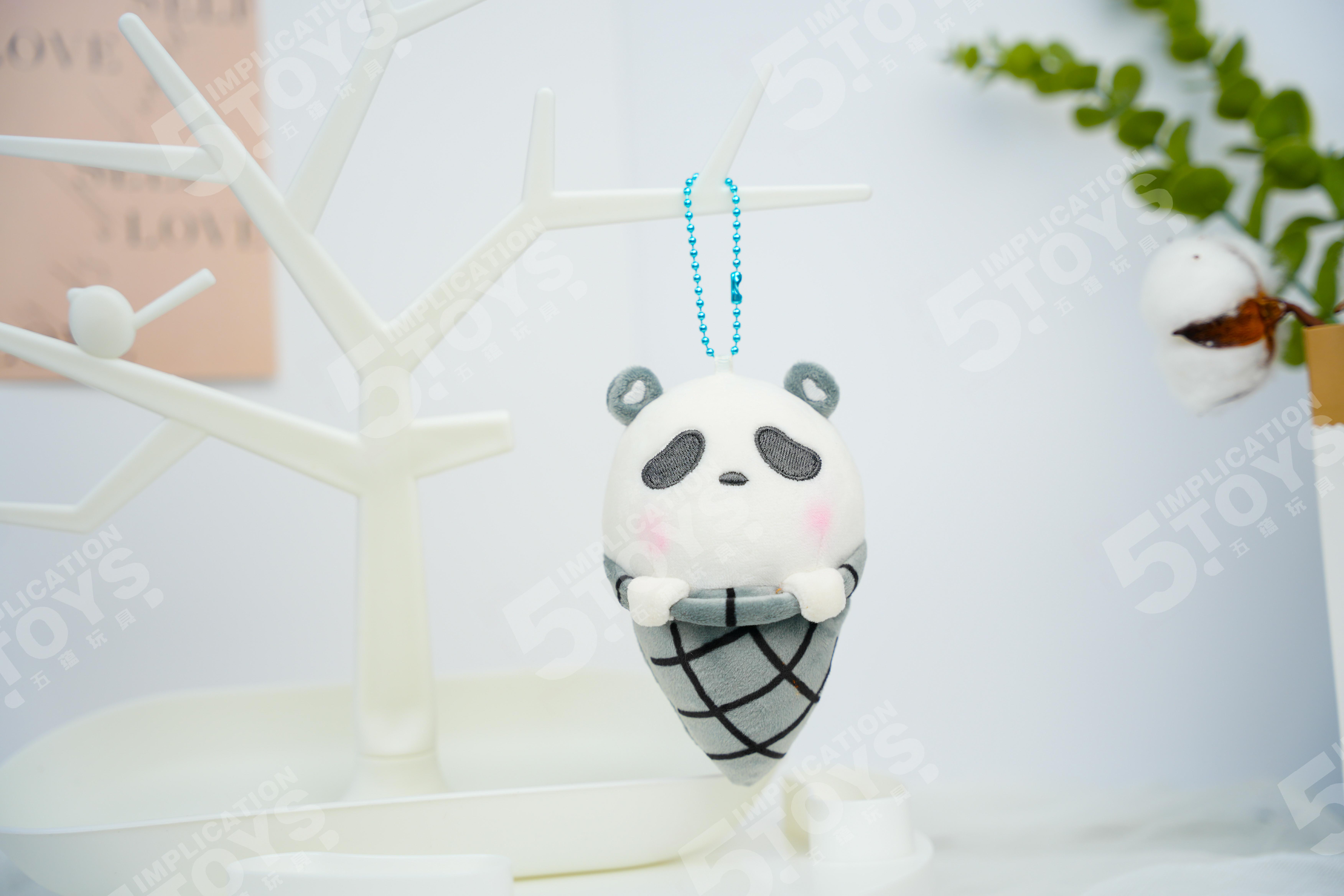
How to Choose a Reliable Plush Toy Manufacturer
A reliable plush toy manufacturer should not only produce the toy but also help improve the design for real production.
Production experience
Check whether the manufacturer has made similar plush toys before, especially if your design involves characters, clothing, accessories, or special fabrics.
Sampling ability
A good supplier should be able to adjust shape, proportion, expression, and structure during the sample stage.
Material options
The manufacturer should offer different fabrics, fillings, colors, and packaging options based on your budget and product positioning.
Customization support
Check whether they can handle embroidery, woven labels, hangtags, clothing, keychains, sound modules, scent packs, or custom packaging.
Quality control process
Ask how they inspect materials, sewing, embroidery, filling, finished goods, and packaging.
Safety awareness
For children’s products, the supplier should understand basic toy safety requirements and testing needs for your target market.
Communication efficiency
Custom plush toy projects involve many details. Clear and fast communication helps reduce mistakes and delays.
Bulk production consistency
The final production should stay close to the approved sample in size, shape, color, filling, and details.
Conclusion
Plush toys are more than soft products. They combine material selection, design details, sewing quality, safety control, and brand value.
For buyers, the right plush toy should match the target audience, budget, product use, and market requirements. From standard plush toys to custom character plush, promotional gifts, and baby plush products, careful planning and reliable manufacturing are key to achieving consistent quality.
Working with an experienced plush toy manufacturer can help turn your idea into a safe, attractive, and production-ready product.
FAQ
Q1. How do I know if my plush toy design can be produced?
A: Most plush toy designs can be produced, but the final result depends on shape complexity, fabric choice, size, embroidery details, and structure. If your design has very small parts, complex curves, detailed clothing, or special accessories, the manufacturer may suggest adjustments to make it easier and more stable for mass production.
Q2. Why does the first plush toy sample look different from my artwork?
A: A 2D drawing needs to be converted into a 3D soft product, so some differences are normal. Fabric thickness, filling amount, sewing structure, and embroidery size can all affect the final shape. This is why sample review and revision are important before bulk production.
Q3. How can I make my custom plush toy look closer to my character design?
A: To improve accuracy, provide clear front, side, and back views, color references, size requirements, and detailed notes for facial expression, body proportion, clothing, and accessories. The more complete the design information is, the easier it is to create a sample that matches your idea.
Q4. What affects the price of custom plush toys the most?
A: The main cost factors include size, fabric type, filling material, embroidery complexity, number of color panels, accessories, clothing, packaging, testing requirements, and order quantity. Large plush toys or highly detailed character plush toys usually cost more than simple standard designs.
Q5. Why is the unit price higher for small orders?
A: Small orders still require pattern making, sampling, material preparation, production setup, and labor. These fixed costs are shared by fewer pieces, so the unit price is usually higher than bulk orders.