
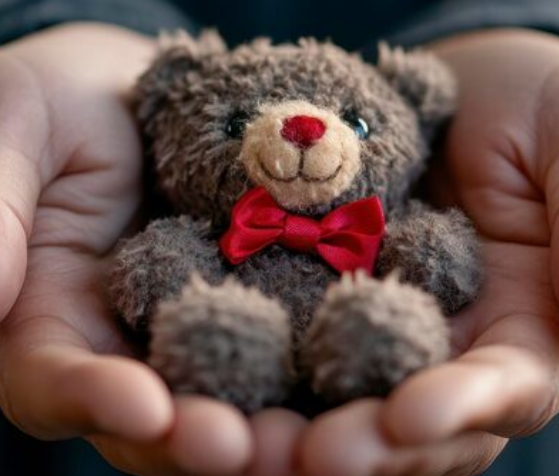
Plush toys are made to be touched, hugged, carried, displayed, and loved. Over time, they can collect dust, body oils, food stains, pet hair, and everyday odors—especially when they are used by children or handled frequently. Knowing how to wash a plush toy properly helps keep it clean, soft, safe, and comfortable without damaging its fabric, filling, shape, or decorative details.
The best cleaning method depends on the toy's material, size, stuffing, stitching, accessories, and care label. Some plush toys can be gently machine washed, while others should be hand washed, spot cleaned, or cleaned with extra care because they include batteries, sound modules, delicate embroidery, or special fillings.
What Is a Plush Toy?
A plush toy is a soft stuffed product made with textile fabric on the outside and filling material inside. Common plush toy designs include animals, dolls, mascots, cartoon characters, keychain plushies, baby comfort toys, collectible plush figures, and custom promotional toys.
Most plush toys are made with materials such as:
- Minky plush fabric
- Short-pile plush
- Long-pile plush
- Fleece or velboa fabric
- Felt details
- Embroidery thread
- Printed fabric panels
- PP cotton stuffing
The material, size, filling, stitching method, accessories, and care label all affect how a plush toy should be cleaned. A simple 8-inch stuffed animal may be easy to wash, while an electronic plush toy, collectible plush, or oversized plush may need more careful surface cleaning.
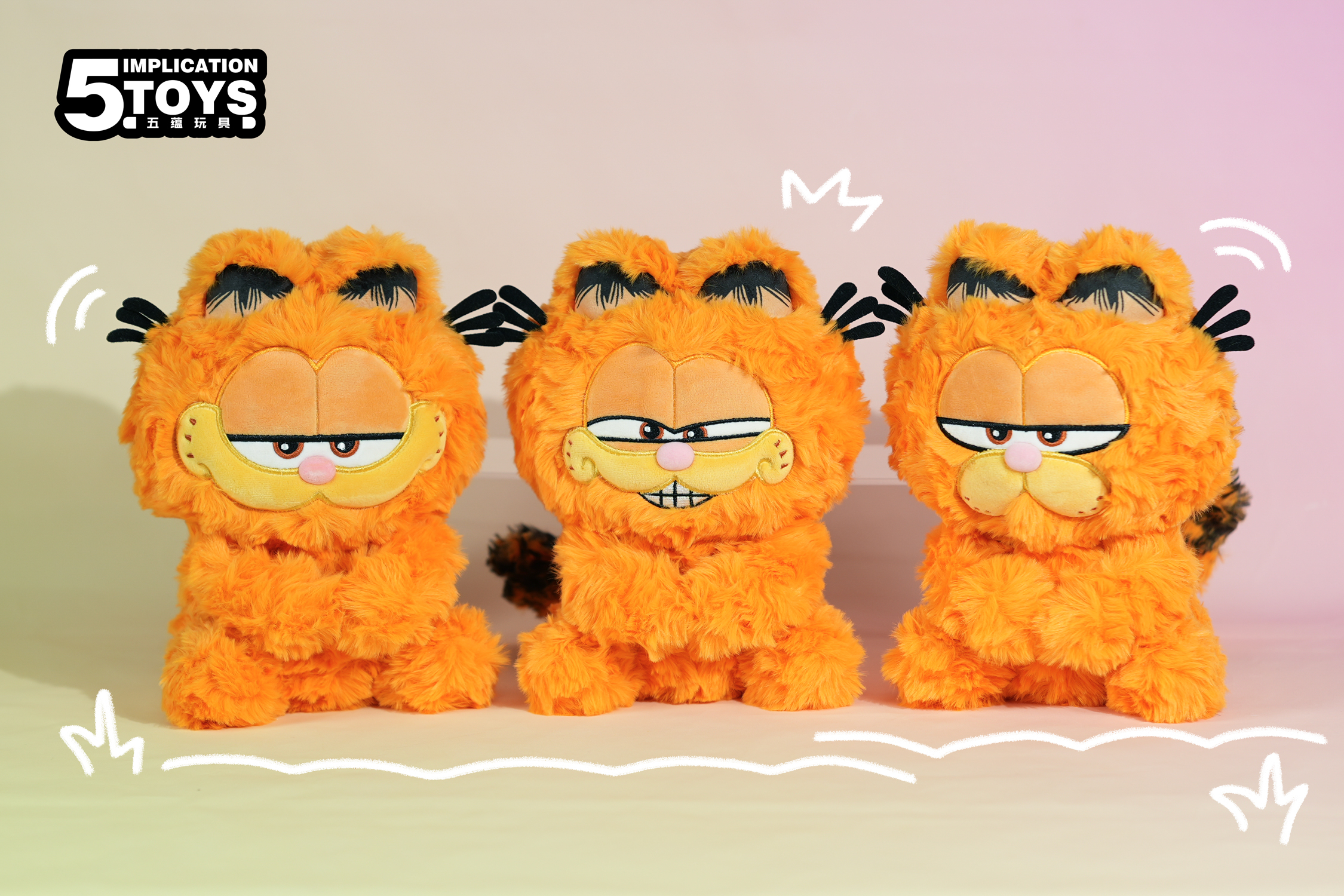
Why Plush Toy Cleaning Matters
Regular cleaning helps keep plush toys fresh, soft, and comfortable to use. For children's plush toys, cleanliness is especially important because the toy may touch the face, bed, floor, car seat, or outdoor surfaces. For retail plush toys and brand mascots, proper care also helps preserve the product's appearance and perceived quality.
Cleaning plush toys can help:
- Remove dust and surface dirt
- Reduce odor from daily use
- Keep the fabric soft and pleasant to touch
- Prevent stains from becoming harder to remove
- Maintain the shape and fullness of the toy
- Extend the product's usable life
However, not every plush toy should be washed the same way. Before using water, detergent, or a washing machine, always check the toy's construction first.
Check the Plush Toy Before Washing
Before washing any plush toy, inspect it carefully. This step helps you choose the safest cleaning method.
Read the Care Label
The care label is the first place to check. It may tell you whether the plush toy is machine washable, hand washable, surface clean only, or not suitable for water cleaning.
Common care instructions may include:
- Machine wash cold
- Hand wash only
- Surface clean only
- Do not bleach
- Do not tumble dry
- Air dry only
- Keep away from heat
If the care label says “surface wash only,” avoid soaking the toy or putting it in the washing machine.
Check for Electronics or Batteries
Plush toys with sound modules, lights, music boxes, vibration parts, or battery compartments should not be placed in water unless the electronic module is fully removable and the manufacturer confirms that the fabric shell can be washed. For electronic plush toys, spot cleaning is usually safer.
Inspect the Stitching and Accessories
Look for loose seams, weak stitching, plastic eyes, buttons, ribbons, glued parts, sequins, or small accessories. If any part is loose, repair it before cleaning. Washing a plush toy with weak seams may cause stuffing to come out or accessories to fall off.
Consider the Filling
Most standard plush toys use PP cotton or polyester fiber filling, which can usually tolerate gentle cleaning if the outer fabric and construction are washable. However, plush toys with weighted beads, heating beads, foam inserts, or specialty filling may need special care.
How to Wash a Plush Toy by Hand
Hand washing is often the safest method for plush toys, especially when you are unsure whether machine washing is suitable. It gives you more control and reduces the risk of shape distortion.
Step-by-Step Hand Washing Guide
- Prepare cold or lukewarm water
Fill a clean basin or sink with cold or slightly warm water. Avoid hot water because it can affect synthetic fibers, colors, and glued details. - Add mild detergent
Use a small amount of gentle laundry detergent or baby-safe detergent. Do not use bleach or harsh chemical cleaners. - Submerge the plush toy gently
Place the plush toy in the water and press it gently. Do not twist, pull, or scrub roughly. - Clean stained areas carefully
Use your fingers, a soft cloth, or a soft brush to clean dirty areas. Focus on hands, feet, face areas, and places that are touched most often. - Rinse thoroughly
Drain the soapy water and rinse the toy with clean water until no detergent remains. Detergent residue can make plush fabric feel stiff and may attract more dirt later. - Remove excess water
Press the toy gently between your hands. Do not wring it. Twisting can damage the filling and distort the shape. - Use a towel to absorb moisture
Wrap the plush toy in a clean dry towel and press gently to remove extra water. - Air dry completely
Place the toy flat in a well-ventilated area. Turn it over during drying so both sides dry evenly. - Brush the plush after drying
Once the toy is dry, gently brush the fabric in the direction of the pile to restore softness.
How to Machine Wash a Plush Toy Safely
Machine washing can be convenient, but it is not suitable for every plush toy. Only machine wash a plush toy if the care label allows it and the toy has no electronic parts, delicate decorations, or weak seams.
Step-by-Step Machine Washing Guide
- Check the care label first
Do not machine wash if the label says surface clean only. - Repair loose seams
Make sure the toy is in good condition before washing. - Remove detachable accessories
Take off removable clothes, bows, chains, tags, or props if possible. - Use a mesh laundry bag
Place the plush toy inside a laundry bag or pillowcase. This helps reduce friction during washing. - Choose a gentle cycle
Use a delicate or gentle cycle with cold water. - Use mild detergent
Avoid bleach, strong stain removers, and heavy fabric softeners. - Wash with soft items
You can add towels or soft clothing to balance the load and reduce tumbling impact. - Remove immediately after washing
Take the toy out as soon as the cycle ends. Reshape it gently with your hands. - Air dry instead of high-heat drying
High heat may damage fibers, plastic parts, glue, or filling. Air drying is usually the safest choice.
How to Remove Odors from Plush Toys
A plush toy may smell musty, dusty, or stale even if it does not look dirty. Odor can come from moisture, storage, daily handling, food spills, or pet contact.
Baking Soda Method
For light odors, baking soda can help refresh plush toys.
- Place the plush toy in a clean bag or container.
- Sprinkle a small amount of baking soda over the toy.
- Let it sit for several hours.
- Shake off the powder outdoors.
- Use a soft brush or vacuum with a low suction setting to remove residue.
Avoid using too much powder on long-pile plush fabric, as it may be harder to remove.
Fresh Air Method
For mild odor, place the plush toy in a shaded, well-ventilated area. Avoid strong direct sunlight for long periods because it may fade colors.
When Odor Needs Deeper Cleaning
If the toy smells moldy or damp, check whether the filling is wet inside. A plush toy that stays damp for too long may develop unpleasant odors again even after surface cleaning. In that case, deeper cleaning or professional cleaning may be needed.
How Often Should You Wash a Plush Toy?
There is no single cleaning schedule for every plush toy. Cleaning frequency depends on who uses it, where it is used, and how dirty it becomes.
| Plush Toy Use | Suggested Care |
|---|---|
| Display plush toys | Dust regularly and clean when needed |
| Child’s daily plush toy | Spot clean often and wash when dirty |
| Baby plush toys | Clean more frequently based on use |
| Plush toys exposed to food | Clean stains as soon as possible |
| Outdoor or travel plush toys | Clean after heavy use |
| Collectible plush toys | Avoid frequent washing; dust gently |
How to Choose an Easy-to-Clean Plush Toy
If you are buying plush toys for children, retail, promotional campaigns, or brand merchandise, cleanability should be part of your selection process.
1. Choose Practical Fabric: Short-pile plush, minky, and smooth plush fabrics are often easier to clean than very long-pile or heavily textured fabrics. Long-pile plush can look premium and expressive, but it may need more brushing after washing.
2. Check the Filling Quality: Good filling helps the plush toy keep its shape. PP cotton filling is widely used because it is soft, lightweight, and suitable for many plush toy designs. Poor-quality filling may clump, flatten, or shift after washing.
3. Look for Strong Stitching: Strong seams are essential. A plush toy may be pulled, hugged, squeezed, washed, packed, and transported many times. Reinforced stitching helps prevent seams from opening.
4. Prefer Embroidery for Certain Designs: For plush toys intended for young children, embroidery can be a safer and more durable choice for eyes, noses, logos, and facial details. Embroidery also helps custom plush toys look clean and consistent.
5. Avoid Too Many Hard Accessories: Accessories can make a plush toy more attractive, but they may also make cleaning harder. If the plush toy needs to be washable, choose accessories carefully or make them removable.
6. Ask About the Care Label:A clear care label helps end users clean the toy correctly. For custom plush toy orders, brands can request appropriate care instructions based on material and construction.
How to Order Plush Toys in Bulk
Ordering plush toys in bulk starts with a clear product idea. Buyers can provide a sketch, logo, character artwork, reference image, or design description, then confirm the size, quantity, fabric, filling, embroidery, accessories, packaging, safety requirements, and delivery schedule.
Wuyun Toys supports OEM and ODM custom plush toy manufacturing for brands, retailers, gift companies, and IP products. The company can produce mascot plush toys, promotional plush gifts, retail stuffed animals, keychain plushies, blind box plush toys, and other customized designs.
With flexible fabric options, soft PP cotton filling, secure stitching, embroidery details, custom packaging, and quality control support, Wuyun Toys helps buyers turn creative ideas into market-ready plush products. For children's products or international sales, safety testing requirements such as EN71, ASTM F963, or CPSIA can also be considered based on the target market.
A reliable plush toy manufacturer can help make bulk orders smoother, from sample development to mass production, packaging, and shipment.
Conclusion
Washing a plush toy the right way helps keep it clean, soft, safe, and comfortable for everyday use. Before cleaning, always check the care label, fabric, filling, stitching, and any accessories or electronic parts. Some plush toys can be machine washed on a gentle cycle, while others need hand washing, spot cleaning, or surface cleaning only.
For parents, retailers, gift companies, and brand owners, plush toy care should also be considered before purchase or production. A well-made plush toy should not only look cute, but also use safe materials, strong stitching, quality filling, and practical care instructions.
If you are planning to order custom plush toys in bulk, choosing an experienced manufacturer can help you create plush products that are soft, durable, easy to care for, and suitable for your target market.
FAQ
Q1. Can I put a plush toy in the washing machine?
A: Yes, but only if the care label says it is machine washable. Plush toys without batteries, sound modules, loose accessories, or delicate decorations can usually be washed on a gentle cycle with cold water. To protect the toy, place it inside a mesh laundry bag or pillowcase before washing.
Q2. What is the safest way to wash a plush toy?
A: Hand washing is usually the safest method for most plush toys. It allows you to clean the toy gently without too much friction, pulling, or twisting. This is especially useful for plush toys with soft fabric, embroidery, special shapes, or sentimental value.
Q3. How do I clean a plush toy with batteries or sound inside?
A: Do not soak or machine wash plush toys with batteries, lights, sound modules, or electronic parts. Use spot cleaning instead. Wipe the surface gently with a damp cloth and mild detergent, then remove any soap residue with a clean damp cloth. Keep moisture away from the battery compartment.
Q4. How do I remove bad smells from a plush toy?
A: For light odors, place the plush toy in a well-ventilated area or use a small amount of baking soda. Let the baking soda sit for several hours, then brush or vacuum it off carefully. If the toy smells damp or musty, check whether the filling is wet inside. A deeper cleaning may be needed.