
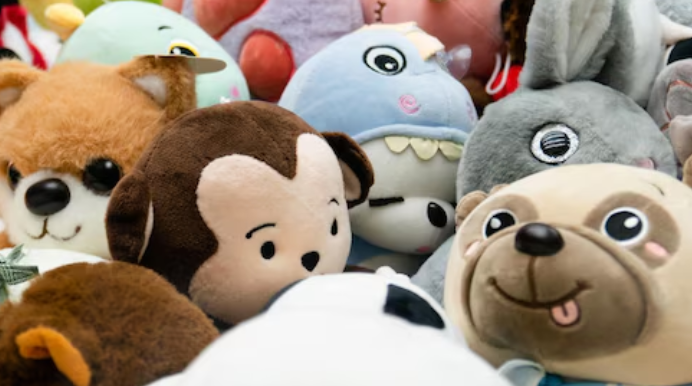
For many babies, a plush toy is more than just a gift, it often becomes their very first companion. It might be the soft toy they reach for during naps, the one they hold while being carried around the house, or the familiar object that quietly helps them settle in new environments. Over time, that simple stuffed animal can turn into something deeply familiar and comforting.
Most parents and many wholesale buyers focus on appearance first: softness, color, or design. But in real use, especially for infants under 3 years old, safety depends on something much more specific: structure, materials, and how the toy behaves when it is pulled, bitten, washed, and compressed.
What are safe plush toys for babies?
Safe plush toys for babies are soft toys designed with no small detachable parts, non-toxic materials, and reinforced stitching, ensuring they do not pose choking, suffocation, or chemical risks during everyday use such as biting, pulling, or sleeping contact.
In most cases, safe baby plush toys share three core characteristics:
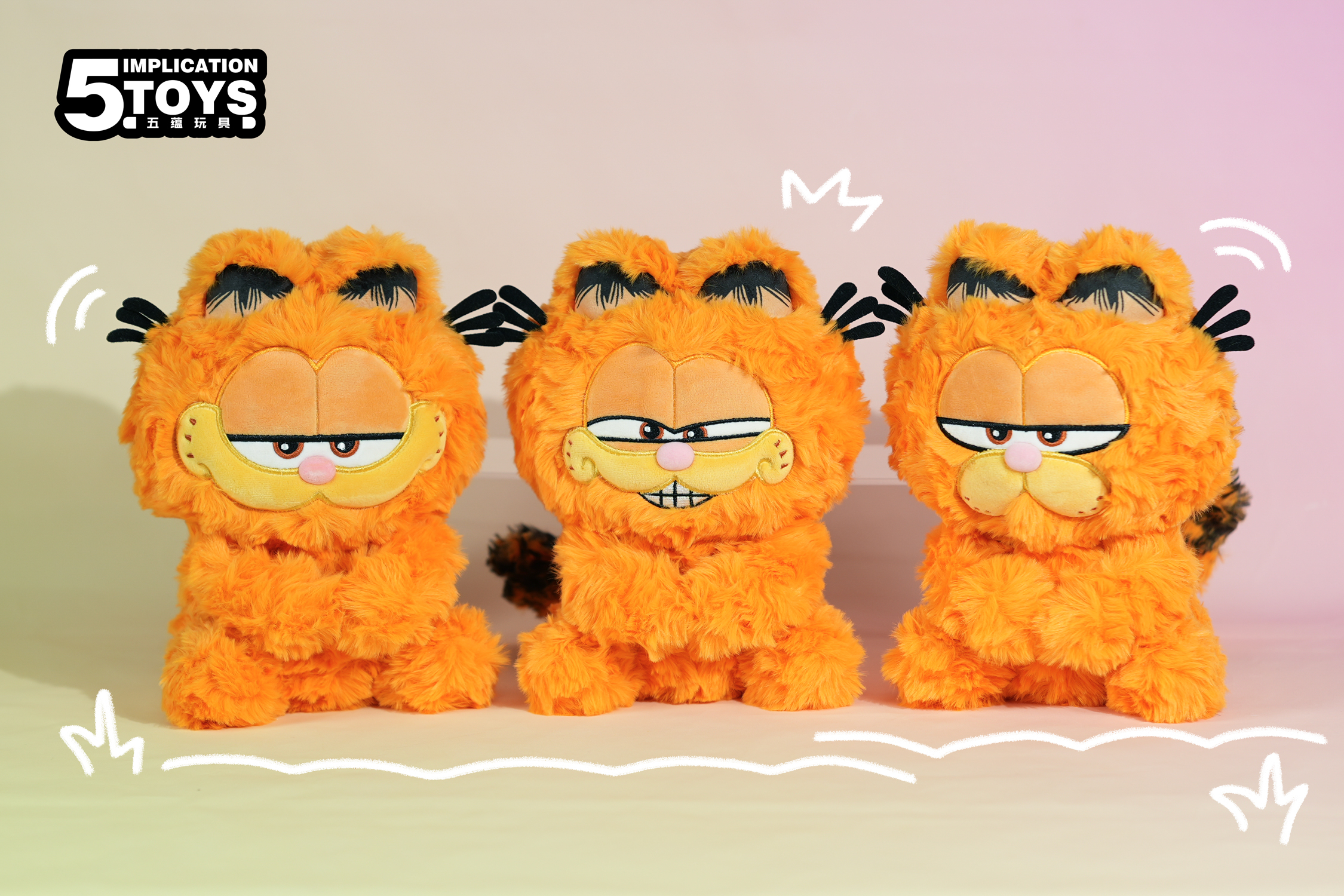
- No plastic eyes, buttons, or removable accessories
- Embroidered or stitched facial features
- Durable, washable, and tightly sewn structure
This definition is optimized to match Google “definition snippet” format (40–60 words + key attributes).
How to choose safe plush toys for babies?
To choose safe plush toys for babies, follow these steps:
Step 1: Check for choking hazards
Avoid toys with:
- Buttons
- Plastic eyes
- Beads
- Ribbons or detachable parts
Step 2: Inspect stitching quality
- Pull seams gently
- Ensure no gaps or loose threads
- Prefer double-stitched construction
Step 3: Evaluate material safety
- Choose soft, non-toxic fabrics
- Avoid strong chemical smell
- Ensure no fiber shedding
Step 4: Verify age suitability
- Look for “0+” or infant-safe labeling
- Avoid oversized or heavy plush toys
Step 5: Check washability
- Machine-washable preferred
- Easy cleaning reduces bacteria buildup
Why safety is more critical for baby plush toys than regular toys
Babies do not “play” with plush toys the same way older children do.
Most infants:
- Put toys in their mouth
- Pull and twist fabric repeatedly
- Sleep next to soft objects
- Cannot recognize small detached parts as dangerous
Because of this, even a visually perfect plush toy can become unsafe if the structure is weak or if small components loosen over time.
In real-world product testing, most safety issues are not design-related—they come from:
- stitching failure under stress
- small decorative parts loosening
- fabric shedding after washing
- internal filling leaking after seam break
Common mistakes when choosing baby plush toys
Choosing plush toys for babies may seem simple, but many safety issues come from small details that are often overlooked during purchase or production. Most problems are not obvious at first glance and only appear after the toy is used, washed, or pulled repeatedly.
Below are the most common mistakes parents and buyers should avoid when selecting baby-safe plush toys.
1. Ignoring small parts that can detach easily
One of the most common mistakes is focusing only on appearance and not checking whether the toy has small attached parts.
Items such as plastic eyes, buttons, beads, ribbons, or decorative accessories may look harmless, but they can loosen over time when babies pull or bite the toy.
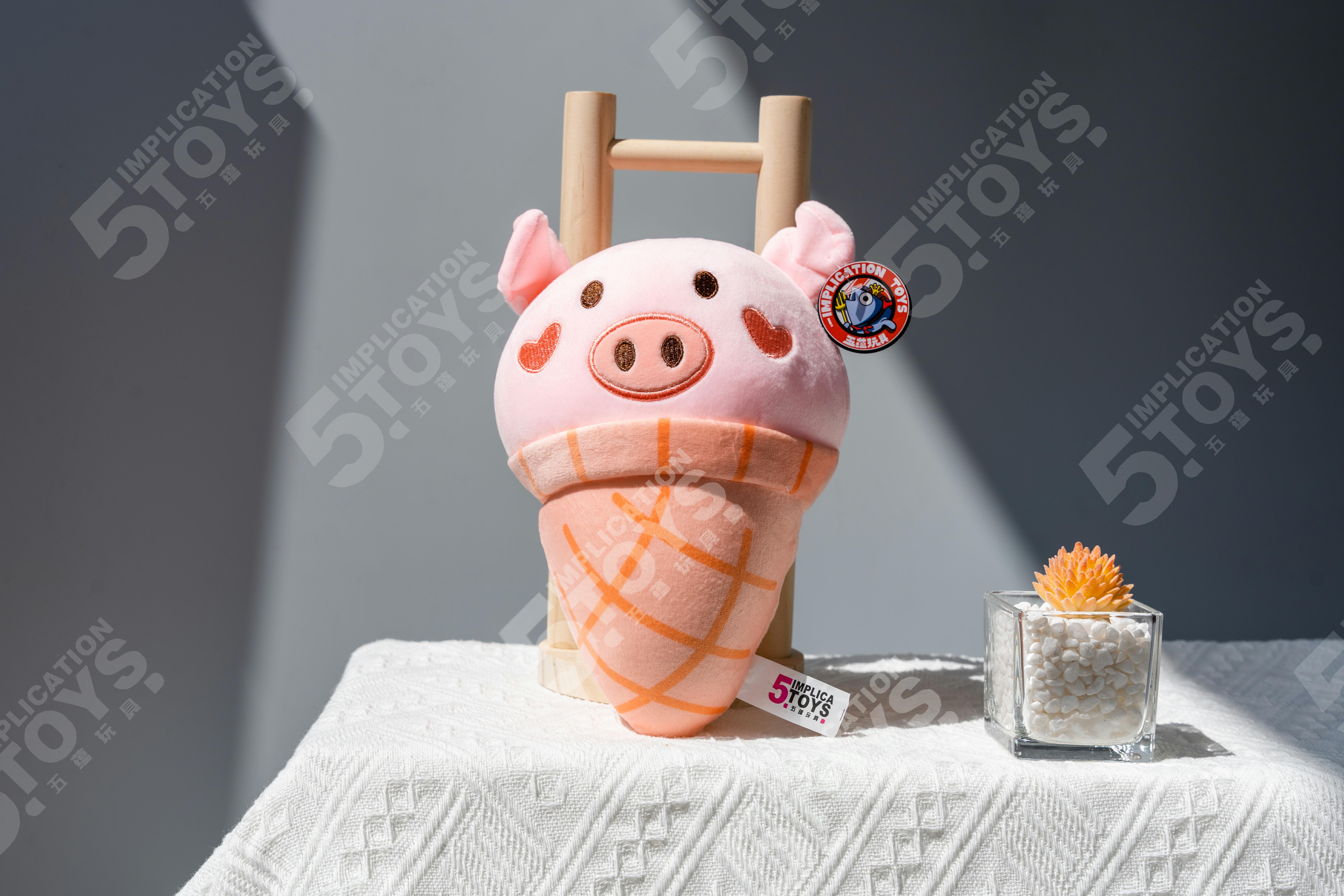
For infants, even a small detached part can become a choking hazard. That is why many baby-safe plush toys use embroidered facial features instead of plastic components.
Simple rule: if a part can be pulled off, it is not suitable for babies.
2. Choosing based only on softness
Softness is often the first thing people notice, but it is not a reliable safety indicator.
Some plush toys feel extremely soft but are made with weak internal stitching or low-density filling. These toys may lose shape, tear easily, or release stuffing after repeated use.
A safe plush toy should feel:
- Soft on the surface
- But firm and stable in structure
Safety depends more on internal construction than surface texture.
3. Overlooking stitching quality and seam strength
Weak stitching is one of the most frequent causes of plush toy failure.
Babies naturally pull, squeeze, and twist toys during play. If seams are not reinforced, the fabric may open and expose filling material.
Key areas that should always be checked:
- Arms and legs
- Ears and tails
- Neck joints
- Any decorative attachment points
A simple pull test can quickly reveal weak stitching before use or bulk production.
4. Ignoring material smell or fiber shedding
A strong chemical smell is often a warning sign of poor material processing or incomplete cleaning during production.
Another common issue is fiber shedding, especially in long-pile or low-quality plush fabric. Loose fibers can be inhaled or ingested by babies during close contact.
Safe baby plush toys should:
- Have no strong chemical odor
- Show minimal fiber loss when rubbed
- Maintain surface stability after light handling
5. Using oversized or unsuitable toy sizes for infants
Size is often underestimated in toy safety.
Oversized plush toys can accidentally cover a baby’s face or restrict movement during sleep or play. Very small toys, on the other hand, may increase choking risk if they contain detachable parts.
For infant use, toys should be:
- Lightweight
- Easy to grasp
- Larger than any swallowable dimension
Size should always match the baby’s age and motor ability.
6. Prioritizing design over functional safety
Cute design is often the main reason people choose a plush toy, but decorative complexity can introduce safety risks.
Extra accessories, complex shapes, or layered decorations may increase the number of weak points in the toy structure.
For baby-safe plush toys, simpler design usually means:
- Fewer failure points
- Lower choking risk
- Better long-term durability
Conclusion
Safe plush toys for babies are those designed with no detachable small parts, reinforced stitching, and non-toxic, washable materials that can withstand daily use like pulling, biting, and washing. Choosing the right toy means checking structure, size, age suitability, and cleaning ability. In short, true safety is not about appearance or softness, but about how the toy performs in real use conditions for infants.
FAQ
Q1. What makes a plush toy unsafe for babies?
A: A plush toy becomes unsafe when it has small detachable parts, weak stitching, or low-quality materials that can shed or break. Common risks include choking hazards from plastic eyes or buttons, and suffocation risks from oversized or overly soft toys placed in sleep environments.
Q2. Are plush toys safe for newborns to sleep with?
A: No. Plush toys are not recommended in a newborn’s sleeping area. Babies under 12 months should sleep on a firm, flat surface without soft toys, pillows, or blankets to reduce the risk of suffocation and Sudden Infant Death Syndrome (SIDS).
Q3. What age is safe for babies to use plush toys?
A: Most babies can safely interact with plush toys during supervised play from birth, but safer independent use usually starts after 12 months when they have better motor control. Always choose toys labeled for “0+ months” and ensure no small parts are included.
Q4. How do I know if a plush toy is high quality and safe?
A: Check for three main points:
- Tight, reinforced stitching with no loose seams
- No detachable parts such as buttons or plastic eyes
- No chemical smell and minimal fiber shedding
A simple pull test on seams can also help identify weak construction.
Q5. What size plush toy is safe for babies?
A: Safe plush toys should be large enough that they cannot fit into a baby’s mouth but still lightweight and easy to hold. Avoid extremely small toys with detachable parts or oversized toys that could cover a baby’s face during sleep or play.