
Table of Contents
- Introduction to Ngwantoy Plush Toys
- Why Ngwantoy Is a Trusted Global Plush Toy Manufacturer
- How to Choose the Right Plush Toy Manufacturer (Complete Buyer's Guide)
- Plush Toy Materials Explained: Fabrics, Fillings, Durability & Safety
- The Complete Custom Plush Toy Production Process
- Key Design Principles for Creating a Successful Custom Plush Toy
- Cost Analysis: How Much Does It Really Cost to Make Custom Plush Toys?
- Turning Characters & Mascots Into Market-Ready Plush Toys
- Official Licensed IP Plush Toys: Approval, Compliance & Production Standards
- Ngwantoy's Quality Control System (QC, Testing, Compliance)
- Packaging, Branding & Global Shipping Options for Plush Toys
- Why International Brands, Retailers & IP Owners Choose Ngwantoy
- Comprehensive FAQs About Custom Plush Toys, Original Plush Toys & IP Plush Toys
Introduction to Ngwantoy Plush Toys — Original, Licensed & Customized Solutions
Ngwantoy is a professional plush toy manufacturer specializing in original plush toys, official authorized IP plush toys, and fully customized plush toys for brands, creators, and companies worldwide.
Our expertise covers:
- OEM plush toys
- ODM plush toys
- Character-to-plush conversion
- Brand mascot plush production
- Licensed plush toy manufacturing
- Promotional plush gifts
- Retail plush merchandise
Ngwantoy supports projects from concept development to sampling, mass production, safety testing, packaging, and international delivery.
This guide serves as a comprehensive resource for anyone looking to:
- Develop a high-quality custom plush toy
- Understand plush toy materials and standards
- Evaluate and select the right plush toy factory
- Produce official licensed IP plush toys
- Control cost and optimize production quality
This page is structured like a full buyer's guide, answering nearly every question customers search for related to:
- custom plush toys
- plush toy manufacturer
- original plush toys
- licensed plush toys
- OEM/ODM plush toys
- plush toy production process
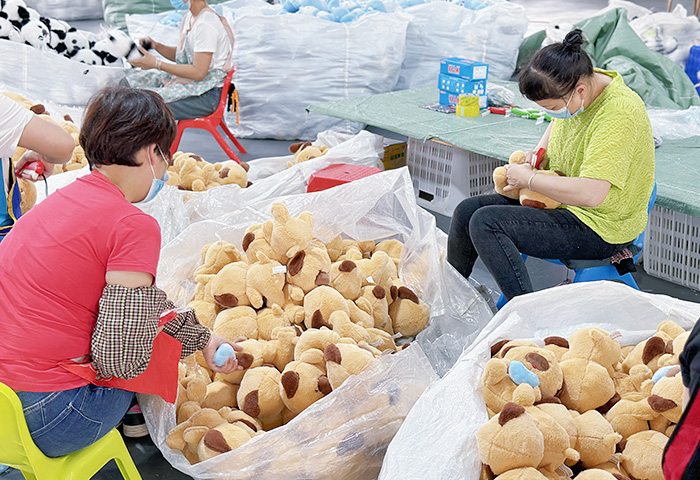
Why Ngwantoy Is a Trusted Global Plush Toy Manufacturer
Selecting the right manufacturer determines the durability, safety, and commercial value of your plush toy. Ngwantoy's manufacturing system is engineered to support both creative and commercial projects at any scale.
Strong R&D and Design Capability
Ngwantoy provides:
- 2D & 3D character design
- Turnaround sheets
- Pattern making
- Embroidery layout
- Material selection guidance
This ensures the final plush toy matches your character's identity and visual style.
OEM & ODM Expertise
We produce:
- Custom plush toys for brands
- Mascot plush toys
- Merchandise plush toys
- Licensed IP plush toys
- Original design plush collections
Our OEM/ODM experience allows us to deliver consistent quality even for complex shapes and high-detail designs.
High-Volume Manufacturing Capacity
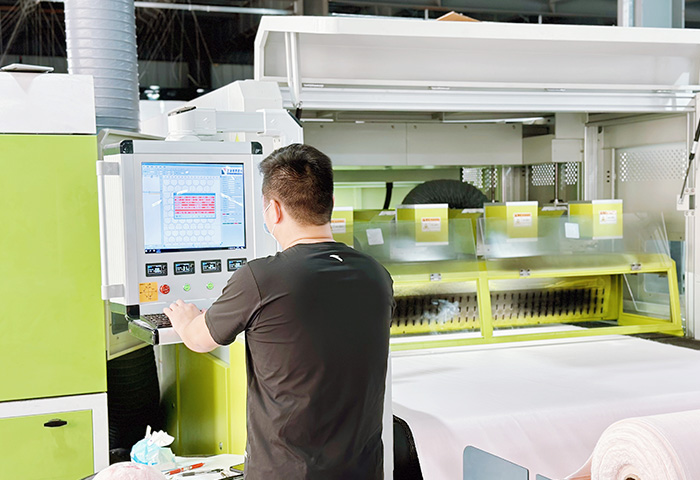
Our advanced production line includes:
- Automated fabric cutting
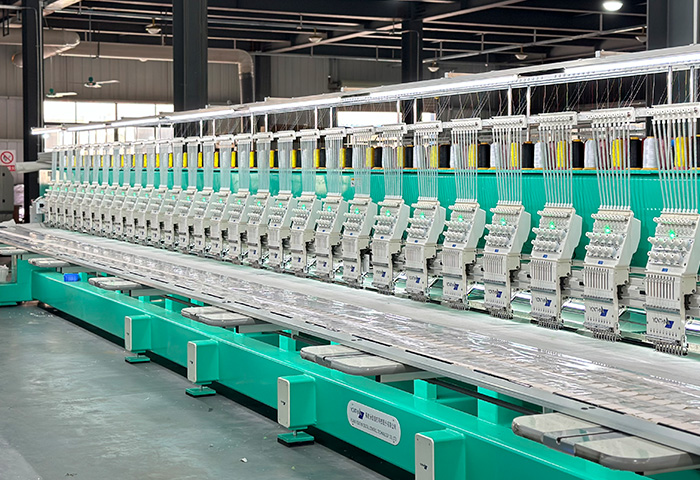
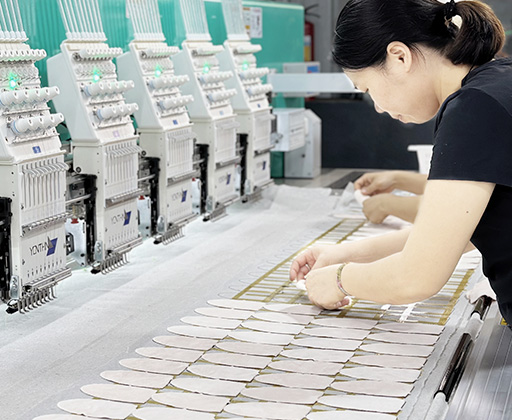
- Computerized embroidery
- High-speed sewing machines
- Precise stuffing and shaping systems
This ensures stable output, accurate reproduction, and on-time delivery.
International Toy Safety Compliance
Products can pass:
- EN71
- ASTM F963
- CE
- CPC
- CPSIA
- REACH
Reliable Mass Production Accuracy
One of the biggest challenges in plush manufacturing is ''sample vs. bulk consistency.'' Ngwantoy's pattern team ensures 95%+ mass reproduction accuracy, even for difficult designs.
How to Choose the Right Plush Toy Manufacturer
Choosing a plush toy manufacturer is the first major decision customers make when planning a custom plush toy project. This section provides a complete guide with content.
1. Evaluate the Manufacturer's Expertise
A qualified plush manufacturer should have extensive experience in:
- Toy pattern design
- 3D plush modeling
- Embroidery and sewing
- Material sourcing
- Safety compliance
- Licensed plush production
2. Examine Their Portfolio & Capabilities
Ideally, the manufacturer should have completed:
- Custom plush toys for brands
- Plush mascot projects
- Licensed IP plush toys
- Promotional plush toys
- Anime/game character plush
3. Check Their Communication & Professional Guidance
The manufacturer should guide you through:
- Size selection
- Fabric matching
- Cost control
- Proportion adjustment
- Packaging options
- Labeling and compliance
Professional guidance directly impacts the final product's quality.
4. Understand Their MOQ & Price Structure
Different factories have different MOQs:
- Small orders (100–300 pcs)
- Mid volume (500–2000 pcs)
- Large retail orders (5000+ pcs)
Ngwantoy supports flexible MOQ for growing brands.
5. Review Their Production Workflow
A trustworthy factory should provide:
- Clear sampling timeline
- Production photos & videos
- Pre-shipment QC reports
- Compliance certificates
6. Safety Standards & Needle Detection
If a factory cannot guarantee standard testing (EN71/ASTM/CPC), avoid them.
This section aligns with search queries like:
- “How to choose a plush toy manufacturer”
- “best custom plush toy factory”
- “plush toy supplier guide”
Plush Toy Materials Explained: Fabrics, Fillings, Durability & Safety
Material selection is one of the most essential parts of plush toy production. It determines softness, durability, compliance, and overall feel.
Popular Plush Fabrics
(1) Minky Fabric
Ultra-soft, luxurious feel, ideal for premium plush toys. Often used for:
- Anime plush
- Baby plush
- Gift plush
(2) Velboa Fabric
Shorter, smoother hair, cost-effective and easy to maintain. Ideal for:
- Retail plush
- Promotional plush
(3) Long-Pile Plush
Fluffy, textured look, suitable for animals like:
- Bears
- Dogs
- Cats
- Monsters
(4) Short Pile Velvet / Crystal Velvet
Smooth surface, high-density color expression—great for character plush toys.
(5) Sherpa / Fleece
Warm, textured, commonly used for winter plush or sheep-themed characters.
Stuffing Materials
- 100% PP cotton
- Recycled polyester filling (eco-friendly)
- Memory foam
- Weighted beans (for plush with ''realistic weight'')
Safety Considerations
Colorfast dyeing
Anti-pilling fabric
Child-safe embroidery for eyes/mouth
Needle detection for all children's plush toys
The Complete Custom Plush Toy Production Process
Step 1: Concept & Artwork Submission
You may provide:
- Character drawings
- Mascot concept
- Brand logo
- 2D art or 3D models
- Photos
Step 2: 2D/3D Turnaround Design
Ngwantoy converts your concept into a manufacturable plush design:
- Front/side/back view
- Size & proportions
- Material mapping
- Embroidery layout
Step 3: Material Confirmation
We select:
- Fabric type
- Color (Pantone matching)
- Filling
- Accessories (clothes, hats, props)
Step 4: Pattern Development
Pattern masters create the sewing templates used for the sample plush.
Step 5: Prototype Sample Production
A physical plush sample is created:
- Cutting
- Embroidery
- Sewing
- Stuffing
- Shaping
- Trimming
Step 6: Revisions & Approval
Refinements may focus on:
- Facial expression
- Body proportion
- Color accuracy
- Embroidery depth
- Fabric choice
Step 7: Mass Production
Includes:
- Bulk fabric cutting
- Machine embroidery
- Skilled stitching
- Quality checks during assembly
Step 8: Final Inspection & Safety Testing
QC includes:
- Seam strength
- Shape accuracy
- Stuffing uniformity
- Needle detection
- Eye/embroidery safety
Step 9: Packaging & Global Delivery
Key Design Principles for Creating a Successful Custom Plush Toy
Most customers encounter design-related issues. This section preemptively answers their concerns—improving trust & ranking.
1. Scale & Proportion Adjustment
Not all character designs directly convert well to plush form—Ngwantoy helps refine proportions.
2. Simplification of Complex Details
High-detail designs may need simplified lines or shapes for manufacturability.
3. Embroidery vs. Printing
- Embroidery: safe, durable
- Printing: suitable for gradients or complex textures
4. Color Accuracy
Pantone matching ensures consistency across large batches.
5. Fabric Stretch & Softness
Different fabrics influence:
- Size
- Shape retention
- Surface feel
- Final appearance
6. Safety for Children
Avoid small hard accessories for baby plush toys.
7. Branding Elements
- Custom labels
- Hangtags
- Woven brand tags
- Retail packaging
Cost Analysis: How Much Does It Really Cost to Make Custom Plush Toys?
Cost is one of the most frequently searched topics in the plush manufacturing industry.
Primary Cost Factors
- Plush size
- Fabric type
- Shape complexity
- Amount of embroidery
- Accessories or clothes
- Stuffing density
- Packaging type
- Safety testing
- Order quantity
Prototype Costs
Usually $80–$150, depending on size & complexity.
Mass Production Unit Price
Generally:
- Small plush (10–15 cm): $3–$5
- Medium plush (20–28 cm): $6–$9
- Large plush (30–45 cm): $10–$18
Ways to Reduce Cost
- Use velboa instead of long-pile plush
- Avoid overly complex shapes
- Use standard packaging
- Increase quantity
Turning Characters & Mascots Into Market-Ready Plush Toys
For:
- Brands
- Streamers
- YouTubers
- VTubers
- Game developers
- Companies
- Influencers
Ngwantoy converts characters into retail-grade plush toys.
Included Services
- Character stylization
- Plush proportion optimization
- Material selection
- Retail packaging design
- Branding label design
Official Licensed IP Plush Toys: Approval, Compliance & Production Standards
Ngwantoy manufactures official authorized plush toys under IP owners' approval.
IP Production Workflow
- NDA signing
- Art submission
- Sample creation
- IP owner feedback
- Packaging artwork
- Compliance testing
- Mass production
Strict Requirements for Licensed Plush Toys
- Accurate color matching
- Approved facial proportions
- High-density embroidery
- Stable QC consistency
- Anti-counterfeit labeling
Ngwantoy's Quality Control System (QC, Testing, Compliance)
QC ensures every plush toy meets international standards.
Includes:
- Material inspection
- Fabric color testing
- Seam strength testing
- Shape accuracy check
- Embroidery inspection
- Stuffing uniformity
- Needle detection
- Metal-free testing
Packaging, Branding & Global Shipping Options
We support:
- Polybags
- Vacuum bags
- Gift boxes
- Window boxes
- Custom retail packaging
Branding options:
- Hangtags
- Woven labels
- Wash labels
- Logo embroidery
- Custom clothes for plush
Shipping:
- Express
- Air freight
- Sea freight
- Rail (EU routes)
Why International Brands, Retailers & IP Owners Choose Ngwantoy
Reasons include:
- Mature OEM/ODM system
- Experienced R&D and pattern team
- High reproduction accuracy
- Reliable sample quality
- Safety-tested materials
- Competitive pricing
- Full-service support
FAQs About Plush Toys & Custom Plush Development
1. What is the Minimum Order Quantity (MOQ) for custom plush toys?
Most plush toy manufacturers, including Ngwantoy, provide flexible MOQ depending on the plush size, complexity, and customization level. Small plush toys (10–15 cm) often start at 300 pieces, medium plush toys (20–28 cm) from 500 pieces, and large plush toys (30+ cm) may require 1000 or more. Ngwantoy also offers single-unit prototype samples for customers to evaluate design, materials, and embroidery quality before mass production.
2. How long does it take to produce a sample custom plush toy?
Sample production generally takes 7–10 business days, depending on size, complexity, and accessory details. Licensed IP plush toys or plush toys with intricate embroidery may take up to 14 days. Ngwantoy’s design team ensures rapid iteration to allow clients to approve the sample efficiently, reducing time to market for custom plush toys.
3. Can you match specific colors or Pantone codes for plush toys?
Yes. Ngwantoy supports Pantone color matching and precise fabric dyeing to maintain color consistency between the prototype and mass-produced plush toys. This is especially important for licensed IP plush toys, original plush toys, and brand mascot plush toys, ensuring brand identity remains accurate.
4. What types of plush fabrics and fillings are available?
Ngwantoy offers a wide selection of plush toy materials, including:
- Minky plush – ultra-soft, premium texture
- Velboa – short-pile, smooth, cost-effective
- Sherpa/Fleece – warm and fluffy
- Long-pile plush – realistic animal textures
- Short-pile velvet / Crystal velvet – ideal for cartoon-style characters
Fillings include:
- PP cotton – soft, safe, standard
- Recycled polyester fiber – eco-friendly
- Memory foam – weighted plush
- Beads or pellets – for plush toys with realistic weight
All materials comply with EN71, ASTM F963, CE, CPC, and REACH standards to ensure child-safe plush toys.
5. Can you make plush toys from photos, drawings, or 3D designs?
Yes. Ngwantoy can transform 2D sketches, 3D models, digital illustrations, character mascots, or photos into fully manufacturable plush toys. Our design team creates a 3D plush model, adjusts proportions, optimizes embroidery, and ensures manufacturability before producing the first prototype.
6. Do you produce licensed IP plush toys?
Yes. Ngwantoy has extensive experience creating official authorized IP plush toys for international brands, including cartoons, movies, games, and corporate mascots. The process includes IP approval workflow, prototype submission for IP owner feedback, and mass production under strict quality and safety standards.
7. Are your plush toys safe for children of all ages?
Absolutely. Ngwantoy uses child-safe materials, secure embroidery, and compliant stuffing for all plush toys. Products meet EN71, ASTM F963, CE, CPC, and CPSIA safety standards. Small parts are avoided in plush toys for infants to prevent choking hazards.
8. How much does it cost to make a custom plush toy?
The cost depends on:
- Plush size and weight
- Fabric type and quality
- Embroidery or printing complexity
- Accessories or props
- Packaging and branding
- Order quantity
Typical price ranges:
- Small plush (10–15 cm): $3–$5 each
- Medium plush (20–28 cm): $6–$9 each
- Large plush (30–45 cm): $10–$18 each
Ngwantoy provides detailed cost breakdowns, helping customers optimize budget while maintaining quality.
9. How long is the lead time for mass production?
After sample approval, bulk production usually takes 20–35 days, depending on order quantity and plush complexity. Licensed IP plush toys may require additional QC and documentation, potentially extending production by 1–2 weeks.
10. Do you ship custom plush toys worldwide?
Yes. Ngwantoy ships globally via:
- Air freight (fastest)
- Sea freight (economical for bulk orders)
- Express couriers (DHL, FedEx, UPS)
- Rail shipping for EU clients
We also provide customs documentation, packaging optimization, and freight advice to minimize cost and delivery time.
11. Can I order multiple prototypes before committing to mass production?
Yes. Ngwantoy encourages multiple prototype iterations to ensure size, proportion, color, embroidery, and accessory details meet expectations. Iterative prototyping reduces errors and ensures high-quality custom plush toys.
12. What packaging options are available for plush toys?
Ngwantoy offers:
- Polybags and vacuum bags
- Window gift boxes
- Retail-ready packaging
Custom branding: hangtags, woven labels, wash labels, logo embroidery
Custom packaging improves brand presentation and increases retail value.
13. Can you produce eco-friendly or sustainable plush toys?
Yes. Ngwantoy provides RPET fabrics, recycled fillings, and biodegradable packaging. These options align with global sustainability trends and enhance brand reputation.
14. How do you ensure quality during bulk production?
Ngwantoy implements strict quality control measures:
- Fabric and color consistency checks
- Embroidery and stitching inspection
- Stuffing density and shape verification
- Needle detection for child safety
- Final inspection before shipment
This ensures every batch of custom plush toys, original plush toys, and licensed IP plush toys meets client expectations.
15. Can Ngwantoy provide design advice to make plush toys more marketable?
Yes. Our experienced design team advises on:
- Optimal size and proportion adjustments
- Simplification of complex details for manufacturability
- Best fabrics for tactile appeal and durability
- Accessories that enhance aesthetics without compromising safety
- Packaging and branding strategies for retail success